Muse Architects

Property Development

5 Tips from Architects to Property Developers

  Property Development Tips UK 2026: 5 Expert Tips for Successful Projects Thinking About Property Development in the UK? Start Here What This Property Development UK Guide Will Help You Understand If you are looking for property development tips in the UK, this guide will walk you through the most important things you need to know before starting your project. Property development can be highly profitable. However, it is also complex, especially if you are new to the process. Many beginners focus on potential returns but overlook planning, regulations, and cost control — which are often the biggest reasons projects fail. That is why this guide focuses on practical, real-world advice. You will learn how to approach property development in the UK step by step, avoid common mistakes, and make better decisions from the beginning. Why Property Development Is Growing in the UK Property development in the UK has become increasingly popular over the past few years. Rising property demand, changing lifestyles, and limited housing supply have created strong opportunities for developers. According to the ONS, housing demand continues to influence market trends across the UK. However, opportunity also comes with competition. This means that simply buying and developing property is no longer enough. You need a clear strategy, proper planning, and a strong understanding of regulations. Why Most Property Development Projects Fail Before we get into the tips, it is important to understand where most developers go wrong. In many cases, problems start early. Developers often underestimate costs, ignore planning requirements, or choose the wrong type of project. As a result, they face delays, budget overruns, or even planning refusal. Therefore, success in property development is not just about finding a good property — it is about making the right decisions at every stage. Tip 1: Start with a Clear Property Development Strategy in the UK Why Strategy Is the Foundation of Every Successful Project The first and most important property development tip in the UK is to start with a clear strategy. Without a defined plan, it becomes very easy to make decisions based on assumptions rather than facts. This can lead to poor investment choices and unexpected challenges later. A strong strategy helps you define: Your target market Your budget Your development goals Your expected return This creates clarity before you commit to a project. Choosing the Right Type of Property Development Not all development projects are the same. Some developers focus on small renovations, while others take on larger projects such as new builds or HMOs. Each option comes with different risks, costs, and planning requirements. For example, HMO developments often offer higher rental returns, but they also involve stricter regulations and licensing requirements. Aligning Your Strategy with Market Demand A successful property development project is always aligned with demand. This means understanding what buyers or tenants actually need in your area. For example, in some locations, smaller, affordable homes may perform better than large luxury developments. Researching local trends and analysing demand helps you make informed decisions rather than relying on guesswork.   Tip 2: Understand Planning Permission and Regulations Early Why Planning Permission Can Make or Break Your Project One of the most critical aspects of property development in the UK is planning permission. Many developers overlook this step or assume that approval will be straightforward. However, planning permission plays a major role in determining whether your project can move forward. If planning is refused, your entire project may need to be redesigned or stopped completely. Where to Check Planning Requirements in the UK Planning requirements vary depending on location and project type. Applications are typically submitted through the Planning Portal [External Link: https://www.planningportal.co.uk/] For appeals or complex cases, the Planning Inspectorate may be involved. To understand the process in detail, you can also review the planning permission guide in the UK [Internal Link: /planning-permission-guide]   For detailed guidance on use classes and change of use regulations, refer to the UK Government planning guidance. Why Early Planning Reduces Risk Understanding planning requirements early helps you avoid costly mistakes. It allows you to assess feasibility before purchasing a property and reduces the risk of delays or refusals. In many cases, developers who plan ahead save both time and money by avoiding redesigns and unexpected issues. Tip 3: Manage Property Development Costs Effectively Why Cost Control Is Critical in Property Development UK Managing costs is one of the most important aspects of any property development project in the UK. Even a well-planned project can fail if costs are not controlled properly. Budget overruns are one of the most common challenges developers face. Understanding What Impacts Development Costs Property development costs depend on several factors. These include construction materials, labour, design complexity, and location. According to the RICS, early design decisions have a significant impact on total project cost. This means that planning and design are not just creative stages — they directly affect your budget. How to Plan Your Budget More Effectively To manage costs effectively, it is important to build a realistic budget from the start. This includes construction costs, professional fees, planning applications, and contingency funds. Many developers underestimate these elements, which leads to financial pressure later. Tip 4: Choose the Right Team for Your Property Development Project Why the Right Team Determines Project Success One of the most overlooked property development tips in the UK is choosing the right team. Many developers focus heavily on the property itself but underestimate how much the people involved will impact the outcome. In reality, your architect, contractor, and consultants play a major role in determining whether your project runs smoothly or becomes problematic. A strong team helps you: Avoid costly mistakes Improve design quality Stay compliant with regulations Deliver the project on time Who You Need in a Property Development Team A typical property development project in the UK involves several key professionals. This usually includes an architect, structural engineer, contractor, and sometimes planning consultants. Each of these roles contributes to different stages of the
Flat Conversions

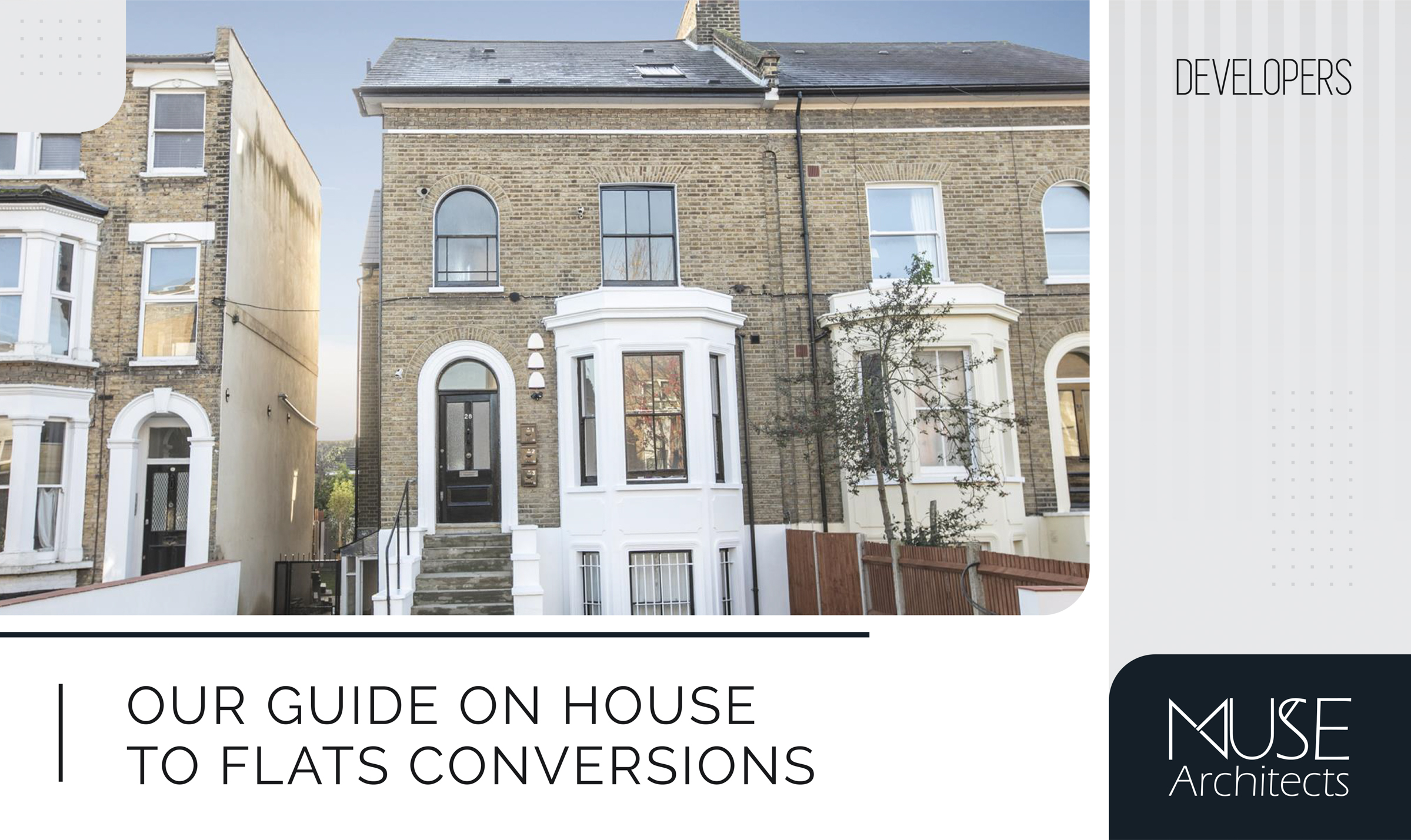
Our Guide on House to Flats Conversions

Flat Conversion UK Guide 2026: Planning Permission, Costs & Design Tips Thinking About a Flat Conversion in the UK? Start Here What This Flat Conversion UK Guide Covers If you are considering a flat conversion in the UK, this guide will help you understand everything you need to know — from planning permission and building regulations to costs, design, and investment potential. Flat conversions are one of the most effective ways to maximise the value of a property. Instead of relying on a single unit, you can create multiple income-generating spaces within the same building. As a result, many property investors and homeowners are now exploring flat conversions as a long-term strategy. However, this type of project is not straightforward. Unlike simple renovations, converting a house into flats involves planning approval, regulatory compliance, and careful design decisions. Without the right approach, projects can quickly become complex, delayed, or unprofitable. That is why understanding the process from the beginning is essential. Flat conversions in the UK have become increasingly popular in recent years. Rising property demand, limited housing supply, and the need for more affordable living options have created strong opportunities for developers. According to the ONS, housing demand continues to influence property trends across the UK. At the same time, local authorities are encouraging more efficient use of existing housing stock. This makes flat conversions an attractive option for both investors and homeowners looking to increase returns. Why Flat Conversion Projects Require Careful Planning While flat conversions offer strong potential, they also involve higher complexity compared to standard property upgrades. This is because converting a house into flats is considered a material change of use in most cases. As a result, planning permission is usually required, along with strict compliance with building regulations. Developers often underestimate this stage. They focus on potential rental income but overlook planning restrictions, fire safety requirements, and sound insulation standards. These factors can significantly impact both cost and feasibility. What is a Conversion and How Does It Work? Understanding Flat Conversion in the UK A flat conversion in the UK involves transforming a single residential property into multiple self-contained units. Each flat must function independently, which means it requires its own kitchen, bathroom, living space, and access. This is what differentiates flat conversions from shared housing models such as HMOs. Flat Conversion vs HMO: What’s the Difference? It is important to understand the difference between flat conversions and HMOs. In an HMO, tenants share facilities such as kitchens and bathrooms. In contrast, a flat conversion creates fully self-contained units, each operating as a separate dwelling. Flat conversions often provide greater long-term value and flexibility. However, they also require more extensive planning approval and construction work.   Is Your Property Suitable for a Flat Conversion? Not every property is suitable for conversion. Factors such as property size, layout, location, and access all influence feasibility. In addition, local planning policies and density restrictions may limit what is possible. Because of this, a feasibility assessment is usually the first step before starting any project. Working with professionals like Muse Architects helps you evaluate your property properly and avoid costly mistakes early. Flat Conversion Planning Permission UK Explained Do You Need Planning Permission for a Flat Conversion in the UK? In most cases, yes — planning permission is required for a flat conversion in the UK. This is because converting a house into multiple flats is considered a change of use. Unlike loft conversions or extensions, flat conversions rarely fall under permitted development rights. Where to Apply for Planning Permission Planning applications are usually submitted through the Planning Portal If your application is refused or requires appeal, it may be reviewed by the Planning Inspectorate. Why Planning Strategy Is Critical Planning permission is not just a formality — it is one of the most important stages of your project. A strong planning strategy improves approval chances and reduces delays. On the other hand, poor planning can result in rejection, redesigns, and additional costs. This is why many successful developers prioritise planning early before committing to a property. Flat Conversion Costs UK (2026 Guide) How Much Does a Flat Conversion Cost in the UK? The cost of a flat conversion in the UK varies depending on the size of the property, number of units, and level of structural work required. In general, costs can range from £25,000 to £60,000+ per unit. However, more complex projects can exceed this depending on design and location. What Affects Flat Conversion Costs Several factors influence the overall cost. These include structural changes, materials, labour, insulation, and compliance requirements such as fire safety and soundproofing. According to the RICS, early design decisions have a major impact on total project cost. How to Plan Your Budget Effectively To manage costs effectively, it is important to plan a realistic budget from the beginning. This should include construction costs, professional fees, planning applications, and contingency funds. Many developers underestimate these areas, which leads to financial pressure later. Flat Conversion Building Regulations UK Explained Why Building Regulations Are Critical for Flat Conversions For any flat conversion in the UK, building regulations are not optional — they are mandatory. Even if planning permission is approved, your project must still comply with strict building standards. These regulations ensure that each flat is safe, functional, and suitable for long-term residential use. Because flat conversions create multiple dwellings within one structure, the level of compliance is higher compared to standard renovations. Key Building Regulation Requirements for Flat Conversions Building regulations for flat conversions cover several critical areas. Fire safety is one of the most important. Each unit must have proper fire separation, escape routes, and alarm systems. Sound insulation is another major requirement, ensuring that noise between flats is minimised. In addition, regulations cover structural stability, ventilation, drainage, and energy efficiency. All of these factors must be carefully considered during the design stage. Guidance from organisations such as the HSE highlights the importance of maintaining safety standards throughout construction. Why Early Compliance

Permitted Development Rights

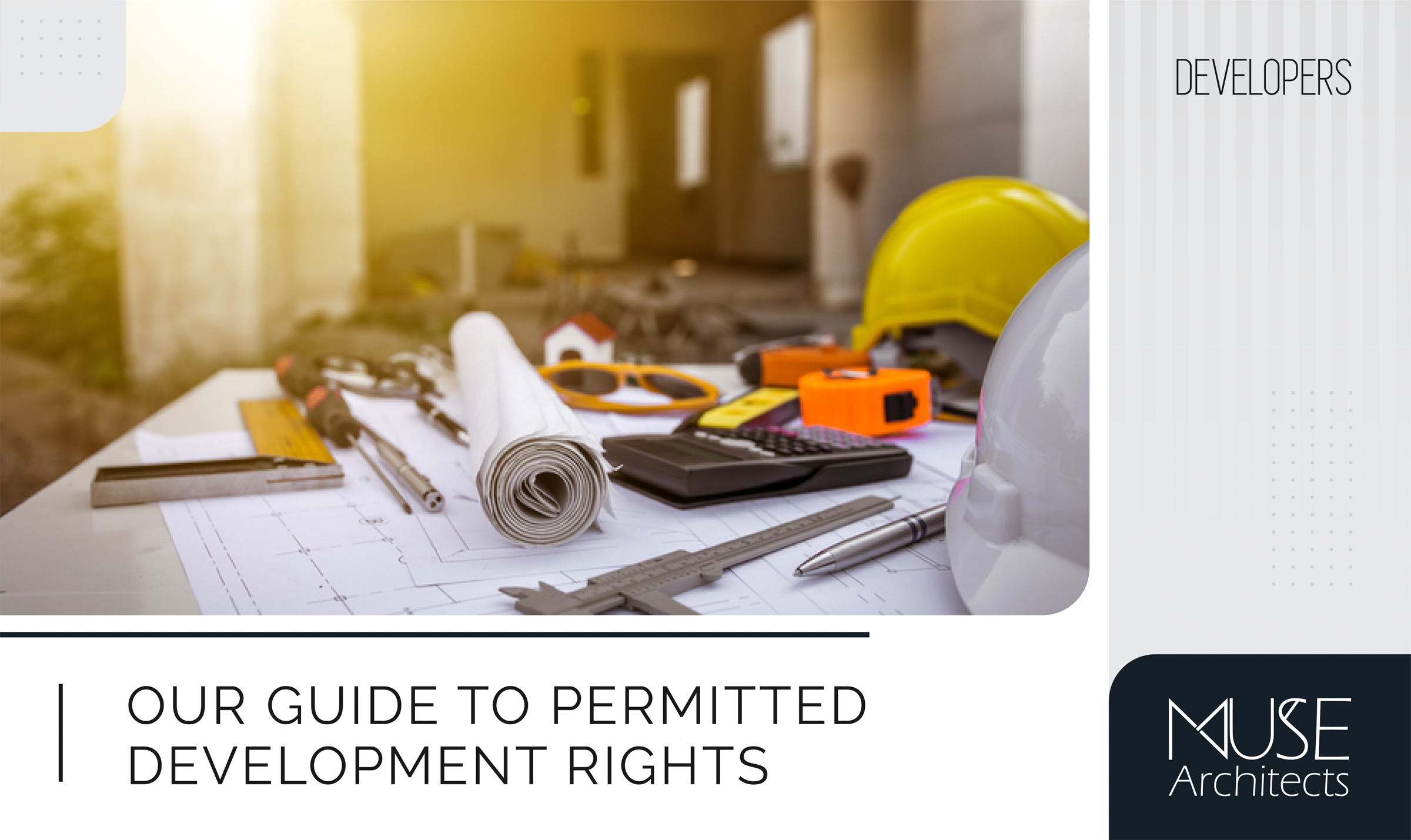
Our Guide to Permitted Development Rights

Permitted Development Rights UK 2026: Rules, Extensions & Planning Guide Thinking About Building Without Planning Permission in the UK? Start Here What This Permitted Development Rights UK Guide Covers If you are planning to extend your home, convert your loft, or make structural improvements, understanding permitted development rights in the UK is essential. Permitted development rights allow certain types of building work to be carried out without applying for full planning permission. For many homeowners, this offers a faster and more cost-effective way to improve their property. However, this is where confusion often begins. Permitted development is not a blanket approval. It operates within strict rules, limits, and conditions that vary depending on your property, location, and the scale of your project. If these rules are not followed correctly, your project may require planning permission or even face enforcement issues. That is why this guide is important. In this blog, you will clearly understand: What permitted development rights are in the UK What you can build without planning permission The key rules and limitations in 2026 When permitted development does not apply How to avoid common and costly mistakes Why Permitted Development Rights Matter for Homeowners Permitted development rights exist to simplify the planning process for standard home improvements. Instead of going through a full planning application, homeowners can carry out certain types of development more efficiently. This reduces delays and allows projects to move forward with greater certainty — when done correctly. This is particularly relevant for: Rear and side extensions Loft conversions Internal structural changes According to the Planning Portal, these rights are granted nationally but are subject to clearly defined limitations. This means compliance is still your responsibility. In other words, permitted development saves time — but only when you fully understand the rules. Why Permitted Development Is Increasing in 2026 More homeowners in the UK are choosing permitted development as an alternative to moving. Rising property prices, increasing relocation costs, and changes in lifestyle have made extending existing homes more practical than buying new ones. As a result, homeowners are looking for ways to create additional space without going through lengthy planning processes. Data from the ONS shows that housing demand and affordability continue to influence how people improve their homes rather than relocate. Permitted development fits directly into this shift — offering a quicker route to adding space, when used correctly. What Are Permitted Development Rights in the UK? Understanding Permitted Development Rights UK Clearly Permitted development rights are a set of planning rules that allow certain building works to be carried out without full planning permission. These rights typically apply to houses, but they do not apply universally. For example: Flats and maisonettes usually do not benefit from permitted development rights Listed buildings are subject to stricter controls Properties in conservation areas may have additional restrictions Because of this, the first step in any project is confirming whether your property qualifies. What Types of Work Are Allowed Under Permitted Development Permitted development rights cover a range of common residential improvements. In many cases, you can extend your home, convert your loft, or make internal alterations without submitting a full planning application. However, each category comes with its own rules. These include: Size and height limits for extensions Volume restrictions for loft conversions Design constraints to maintain the character of the property Understanding these limits early helps you avoid redesigns and delays later. Permitted Development vs Planning Permission (Key Difference) A common mistake is assuming that permitted development and planning permission are interchangeable. They are not. Permitted development allows certain works automatically, as long as they meet predefined criteria. Planning permission, on the other hand, requires formal approval from your local authority. The risk arises when a project exceeds permitted development limits without the homeowner realising it. To understand this distinction in more detail, you can review the planning permission guide in the UK [Internal Link: /planning-permission-guide]   What Can You Build Under Permitted Development Rights UK? Permitted Development Extensions UK Rules Explained House extensions are one of the most common uses of permitted development rights in the UK. In many situations, you can build a rear extension without planning permission, provided it remains within specific size and height limits. These typically include: Restrictions on extension depth Maximum height limits Requirements for materials to match the existing property These rules are designed to ensure that extensions do not negatively impact neighbouring properties or the surrounding area. Loft Conversions Under Permitted Development Loft conversions are another widely used option under permitted development. If your project stays within volume and design limits, planning permission may not be required. However, there are still strict constraints. These include: Maximum allowable volume increase Restrictions on altering the roof shape Limitations on dormer positioning Even when planning permission is not required, compliance with building regulations remains mandatory. Internal Alterations and Other Permitted Works Permitted development also allows many internal changes. This includes reconfiguring layouts, removing internal walls, and updating the structure of your home. However, these changes must still meet safety and structural standards. Guidance from the HSE highlights the importance of maintaining safety compliance throughout any construction work.   Permitted Development Limitations UK: What You Cannot Do Why Permitted Development Rights Are Not Unlimited While permitted development rights in the UK allow you to build without planning permission, they come with strict limitations. This is one of the most misunderstood areas. Many homeowners assume that if something falls under permitted development, it can be done freely. In reality, these rights are tightly controlled to prevent overdevelopment and protect neighbouring properties. If your project exceeds these limits, you will need full planning permission. Key Permitted Development Restrictions You Must Follow Permitted development rules are based on clear boundaries. These typically include limits on size, height, and location of the development. For example, extensions must not exceed a certain depth, and they must not take up too much of your garden space. In addition: Materials should be similar to the existing

Change of Use

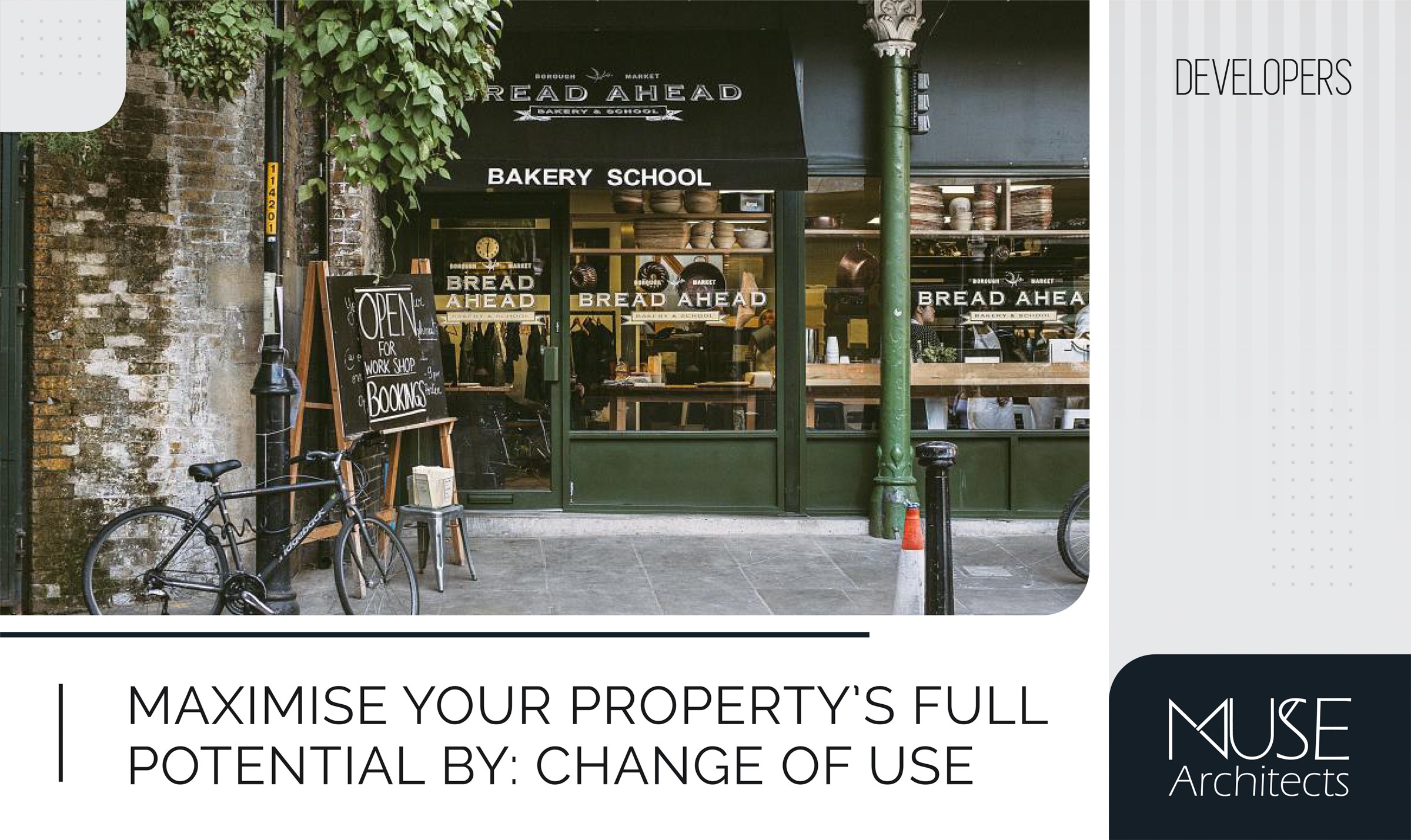
Maximise your Property’s Full Potential by: Change of Use

Unlocking the Potential of Property Change of Use Many landlords and landowners aspire to maximise the full potential of their properties through change of use. However, understanding how to promote or utilise your land effectively can be challenging. In this article, I will provide advice on how to unlock the potential of your property change. The UK Town and Planning Order Under the UK Town and Planning Order, land is categorised into four main ‘use classes’: Class A: This includes shops, financial and professional services, restaurants and cafes, drinking establishments (e.g., wine bars, public houses), and hot food takeaways. Class B: Buildings falling under this category include offices, industrial facilities, and open-air storage facilities. Class C: This class includes hotels, residential institutions, dwelling houses, and houses in multiple occupations (HMOs). Class D: This class comprises non-residential institutions, assembly and leisure houses. The Town and Country Planning (Use Classes) Order 1987 is a statutory order that applies in Wales and England. It outlines the various types of ‘Use Classes’ and the permissions required for land or buildings to change their use. It also establishes the necessary permissions needed to alter the use of a building from one use to another within the same class. As chartered, experienced architects and professional planners, we can help you navigate the UK planning system. It is possible to apply for a change of use without the necessary planning permission, using a system known as permitted development rights. As a leading architectural and planning firm, we assist in fully utilising permitted development rights. If permitted development rights are not applicable, we are available to guide you through the processes of obtaining planning permission. Securing Your Change of Use Planning Permission Obtaining planning permission for a change of use can be a daunting task due to the cumbersome process involved. Planning permission is the approval issued by your local authority to commence a proposed building project, ensuring that developments occur in appropriate areas. According to the National Planning Policy Framework, decisions on when and how planning permission should be issued are made in line with local planning policies. We have extensive experience working with London planning councils and understand the likely restrictions that may be imposed on your change of use application. Designing Your Ideal Change of Use Layout As experts in building and land permission planning, we have crafted a change of use design template to help you develop your design ideas. This template not only helps you create a design concept but also matches your requirements and taste. Whether you are converting from B1 to C3, B1 to D1, or C3 to C4, our templates cover these scenarios. We recognise that projects involving a change of use can be complex, but we manage the design process with your needs in mind. Planning permission may not be required when the existing and proposed uses fall within the same ‘use class’, or if the Town and Country Planning (General Permitted Development) (England) Order 2015 (as amended) allows for changes of use to another specified ‘use class’. This could apply to your property. Conclusion Once you secure planning permission for your change of use from the local authority, we proceed to the technical design and building phase, followed by monitoring the construction project and contract administration. This ensures that your design concept is transformed into reality. Get Free Advice Whether you’ve already purchased a commercial property or are searching for one, the best step is to talk to us as soon as possible. At Muse Architects, we provide complimentary consultations to help you understand the ins and outs of any potential project from the start. Our team offers expert advice on: Design Planning Building regulations Budgeting Programme Construction If you’re looking for a helping hand, book your free consultation today. About Muse We are your Residential and Commercial Architects At Muse Architects, we offer a wide range of local architectural services to clients in Manchester and beyond. From building control in Manchester to office design project management, our team of experienced architects has the skills and expertise to handle any project. Whether you’re looking for commercial building architects or residential architects near you, we’re here to help. As local architects, we understand the unique challenges and opportunities of designing buildings in Manchester. We specialise in Manchester residential architect services and work closely with clients to create beautiful, functional spaces. Our 3D property visualisation services, including 3D visualisation for city planning and interior design, are designed to help you bring your vision to life. Contact us today to learn more about how Muse Architects can help you achieve your architectural goals.

questions to ask an Architect

Seven Questions Property Developers Should Ask Their Architects

Top Questions Property Developers Should Ask Architects (UK Guide 2026) Introduction Starting a property development project is exciting, but it also comes with a lot of pressure and financial risk. Every decision you make early on can directly affect your timeline, budget, and final return on investment. One of the most important decisions is choosing the right architect — not just someone who can design, but someone who understands development strategy, planning rules, and real-world construction. Many developers make the mistake of jumping straight into design without asking the right questions. This often leads to delays, redesigns, budget overruns, or even planning refusal. At Muse Architects, experience shows that strong early communication leads to smoother projects, better approvals, and higher profitability. This guide covers the key questions every property developer should ask — with deeper insights to help you make smarter decisions in 2026 and beyond. Check UK planning basics on the Planning Portal https://www.planningportal.co.uk. Why Asking the Right Questions Matters Before hiring an architect, it’s important to understand how they think, how they work, and how they approach development projects. Asking the right questions helps you: Avoid hidden costs and unexpected changes Set realistic timelines from the beginning Understand risks before they become problems Align design with your financial goals Improve overall project efficiency It also helps you filter out architects who may be good designers but not suitable for development-focused projects. A strong working relationship starts with clarity, and clarity starts with asking the right questions. Do You Have References and Past Projects? Seeing beautiful images on a website isn’t enough. You want to know how an architect actually performs in real-world projects. Ask them to share completed project case studies, client testimonials, and examples of developments similar to yours. Look for consistency — a good architect should have a track record of successful projects, not just one-off highlights. It’s also worth asking practical questions: Were projects delivered on time? Were there challenges during construction, and how were they handled? This will give you a clear sense of their reliability and professionalism. For more tips on what to look for in an architect’s portfolio, you can check guides like RIBA’s advice for developers. How Involved Will I Be in the Process? Every architect works differently, and your level of involvement can vary. Some developers want to be hands-on with every decision, while others prefer a more hands-off approach. Make sure you understand how updates will be shared, which decisions require your input, and how feedback is handled. Agreeing on communication early helps avoid misunderstandings and reduces stress. Discuss how often meetings will happen, what the response times are, and which channels will be used — whether email, phone, or site visits. Clear communication upfront saves a lot of hassle later. Will You Be Involved During Construction? Many assume architects are always on-site, but that’s not always true. Some only provide the drawings, while others offer full support during construction. Ask whether they’ll regularly visit the site, coordinate with contractors, and monitor quality. Having an architect involved during construction keeps the project aligned with the original design, avoids mistakes, and helps solve problems quickly. Without this support, miscommunication between builders and designers can become a big issu.e. You can also see examples of how site involvement improves outcomes in case studies like Muse Architects’ project work What Is the Expected Timeline for My Project? Time is money in property development, so a realistic schedule is essential. Ask your architect to outline timelines for concept design, planning applications, building regulation drawings, and construction. Also, discuss potential delays, such as planning approval risks or contractor availability. Having a clear timeline helps with budgeting, financing, and marketing your property. It also gives you confidence that your project will progress smoothly from start to finish. How Do You Charge and What’s Included? Architects can charge in different ways — fixed fees, hourly rates, or a percentage of the build cost. The key is to know exactly what is included. Make sure concept design, planning and building regulation drawings, site visits, and project coordination are all covered. Also clarify what isn’t included, so you can budget properly. Transparent pricing is a strong sign of professionalism. If you want, you can read more on typical architectural fees and services on Homebuilding & Renovating. Do You Have Experience in My Area? Local knowledge matters. Every UK council has slightly different planning rules, design expectations, and approval processes. An architect familiar with your area can predict planning outcomes, align designs with council preferences, and reduce the chance of refusal. Hiring someone who knows the local landscape can save you months of delays and avoid unnecessary costs. For more on council rules and planning, check the Planning Portal. How Will You Help Reduce Environmental Impact? Sustainability is no longer optional. A good architect will guide you on energy-efficient layouts, insulation, renewable energy options, and sustainable materials. These choices not only benefit the environment but can also reduce running costs, increase property value, and make your development more appealing in the market. Choosing an architect who prioritizes sustainability ensures your project meets modern standards and future-proofs your property. The Role of Architects in Property Development Architects are not just designers — they are strategic partners. They help with: Site analysis and feasibility Planning strategy Maximising land value Technical detailing Coordinating consultants A strong architect can unlock hidden potential in a site and significantly improve profitability. Design Strategy and Maximising ROI Good design is not just about looks — it’s about return on investment. An experienced architect will think about: Unit mix and layout efficiency Space optimisation Build cost vs value Market demand Smart design decisions can increase sale prices or rental income without significantly increasing costs. Planning Strategy and Risk Reduction Planning is one of the biggest risks in development. Architects can: Advise on what is likely to be approved Adjust designs to meet policy Handle planning submissions Respond to objections A planning-led approach reduces uncertainty and improves

Property Developers

Working with Property Developers

Working with Property Developers Over the years, the property market has seen significant interest and investment from small to medium professional property developers. People are increasingly recognising that land is an appreciating asset, making it one of the highest Return on Investment (ROI) opportunities available. Real estate developers are individuals and companies that manage all activities involved in transforming ideas on paper into tangible assets (properties). Their responsibilities include buying land, financing real estate deals, and overseeing the development process from start to finish. In this article, I will explain what working with property developers entails. How Do You Work with Property Developers? Property developers, also known as real estate developers, are responsible for turning conceptual ideas into real property. The development process involves various professionals, including civil engineers, land and quantity surveyors, architects, and attorneys. The presence of these professionals highlights the extensive work involved in the development process. What Is Commercial Development? Commercial property developers, or real estate commercial developers, engage in purchasing and leasing commercial investments such as retail centres and industrial facilities. This sector encompasses diverse avenues and methods for generating profits through investments. Commercial property development typically involves three stages: 1. Site Selection and Evaluation Site selection and evaluation are the most critical decisions a property developer will make. The success or failure of a project largely depends on the approach taken during this stage. While many aspects of a commercial property development can be changed, the location cannot. New developers often make the mistake of purchasing cheap properties in non-marketable locations, believing they will eventually realise larger profits. 2. Property Flipping and Development Property flipping, often referred to as merchant development, involves developers who specialise in constructing buildings for near-term resale. Merchant builders typically sell properties shortly after they are completed, often within a year, to minimise the risks associated with long-term asset holding and to realise immediate profits. 3. Creating a Holding Strategy A proper holding strategy is essential for maximising ROI in a well-selected location. Many commercial property developers base their holding strategies on the length of lease terms they can secure. In real estate, longer lease terms often lead to greater patience before considering a sale. What Do Commercial Property Developers Want from Architects? Historically, property developers have not always enjoyed strong relationships with architects. Here are a few key qualities that developers look for before partnering with architects: Professionalism: Developers prefer to work with architects who have experience in the real estate industry. A strong professional rapport is more likely to develop with architects who are knowledgeable and competent. Team Spirit: The ability to collaborate effectively is crucial. The commercial development process requires a collective effort from all parties involved to achieve success. Experience: Practical, hands-on experience as an architect offers a significant advantage when working with property developers in the real estate sector. Conclusion At Muse Architects, we are committed to producing the highest quality, industry-leading designs for new build and refurbishment developments in both the residential and commercial sectors. Whether you are looking to unlock the potential value of land before acquisition, build an iconic new luxury apartment or mixed-use development, or provide essential new housing through a multi-unit residential scheme, our expert architects will maximise the gross development value of any site. We ensure the best possible return on investment while effectively managing the entire process.

RIBA Chartered Practices

Muse Architects is now a RIBA Chartered Practice

We Are a RIBA Chartered Practice (UK Guide 2026) Introduction Choosing the right architect is one of the most important decisions in any property project. But with so many options available, it can be difficult to know who to trust. One of the strongest indicators of quality and professionalism is whether a practice is recognised by the Royal Institute of British Architects (RIBA). Muse Architects is proud to be a RIBA Chartered Practice — a status that reflects strict standards, professional excellence, and a strong commitment to quality. This guide explains what that really means, why it matters, and how it benefits your project. What Is a RIBA Chartered Practice? A RIBA Chartered Practice is an architectural firm that meets specific standards set by RIBA. These standards ensure that the practice operates professionally, ethically, and consistently. To achieve this status, practices must meet strict criteria related to: Staff qualifications Quality management Professional conduct Insurance and compliance This ensures clients receive a reliable and high-quality service. RIBA Chartered Practices are listed in official directories and recognised across the UK construction industry. H2: Muse Architects Achieves RIBA Chartered Practice Status Muse Architects is proud to be recognised as a RIBA Chartered Practice. This achievement reflects a strong commitment to delivering high-quality architectural services and maintaining professional standards across all projects. Becoming chartered is not just a one-time achievement — it requires ongoing compliance, regular updates, and continuous improvement. Muse Architects maintain strict internal systems and policies to ensure consistency and quality in every project. What Does It Take to Become a RIBA Chartered Practice? Firms seeking RIBA Chartered status must employ qualified RIBA Chartered Architects and maintain professional indemnity insurance. They also need robust systems for quality management, health and safety, and environmental responsibility. Other essential requirements include: Following the official RIBA Code of Practice Supporting equality and diversity standards within the firm Operating policies that ensure consistency and professionalism These rules ensure that RIBA Chartered Practices provide safe, reliable, and well-managed architectural services. For developers, hiring a RIBA Chartered Practice means working with a team that meets nationally recognised standards. You can learn more about the RIBA chartered practice requirements here. Strict Standards and Ongoing Compliance RIBA Chartered status isn’t permanent. Firms must continuously maintain compliance, update systems and policies, and make sure staff follow professional guidelines. Proper supervision of all work is also required, backed by appropriate insurance and management systems. This ongoing process ensures accountability, consistency, and high-quality architectural work on every project. For developers, it’s an extra assurance that their designs and construction will be handled by professionals committed to best practice. Why RIBA Accreditation Matters for Clients Working with a RIBA Chartered Practice gives clients confidence that their project is in safe hands. It shows you’re dealing with qualified professionals who follow recognised industry standards. This accountability reduces risks and ensures your project is well-managed, whether you’re a property developer, homeowner, or commercial client. RIBA accreditation acts as a clear benchmark of quality across the architecture industry. You can learn more about the benefits of RIBA Chartered Practices on RIBA’s official site. Quality Assurance and Professional Standards A key advantage of RIBA accreditation is quality assurance. Practices must operate structured systems that maintain consistent design quality, accurate technical documentation, clear communication, and proper project management. Muse Architects follow these structured processes to ensure that every project, from initial concept to completion, meets the highest standards. This approach reduces errors, improves efficiency, and gives clients peace of mind throughout the development journey. Professional Indemnity and Client Protection RIBA Chartered Practices are required to maintain Professional Indemnity Insurance. This protects clients if there are design errors, technical issues, or professional negligence. Having this insurance provides an extra layer of security, helping clients feel confident that their investment is protected. Health, Safety, and Environmental Responsibility Modern architecture isn’t just about aesthetics — it’s also about responsibility. RIBA Chartered Practices must implement health and safety policies and environmental management systems. This ensures that every project is safe to build, environmentally responsible, and compliant with regulations. Muse Architects integrate these principles into every stage of their work, helping developers meet both legal and sustainability standards. Equality, Diversity, and Ethical Practice RIBA also requires firms to follow strong ethical standards. This includes promoting equality and diversity, ensuring fair treatment of staff and clients, and following professional conduct guidelines. These values foster a respectful and inclusive working environment, which benefits everyone involved in a project. Services Offered by Muse Architects As a RIBA Chartered Practice, Muse Architects provide a wide range of services. These include: Residential architecture Commercial architecture Planning applications Building regulation drawings Interior design 3D visualisation Their team has experience handling projects from small residential extensions to large development schemes. (Muse Architects) Supporting Property Developers and Homeowners with Expert Architectural Services Muse Architects work with both property developers and private clients, offering guidance at every stage of a project. They assist with feasibility studies, planning strategies, design development, technical documentation, and construction coordination. Their structured approach ensures projects progress smoothly from concept to completion, reducing risks and avoiding delays. You can learn more about how they support developers on Muse Architects’ services page. Local Expertise in Manchester and Beyond Based in Manchester, Muse Architects understand the specific planning challenges of the region. They specialise in residential projects, commercial developments, and planning-led design strategies. This local knowledge helps improve planning approval success and ensures projects run efficiently. For developers working elsewhere in the UK, Muse Architects also adapt their approach to local council requirements, which can save valuable time and costs. Learn more about planning guidance on the Planning Portal. The Role of RIBA in the Architecture Industry The Royal Institute of British Architects (RIBA) plays a major role in maintaining standards across the profession. RIBA sets professional guidelines, supports architects, promotes high-quality design, and protects client interests. Working with a RIBA Chartered Practice means your project aligns with these standards, giving confidence that your development is being managed to a professional

architecture and Mental health

Good Architecture Improves Mental Health

Architecture for Mental Health: UK Guide 2026 Introduction Designing buildings is not just about looks — it’s about how spaces make people feel. In recent years, research has shown that the built environment has a major impact on people’s mental wellbeing. In 2026, architects are thinking beyond beauty and function. They now focus on how buildings can support mental health, boost mood, reduce stress, and improve daily life — whether it’s in schools, workplaces, healthcare facilities or homes. This guide from Muse Architects explains how architectural design affects mental health, what elements matter most, and how good design creates positive experiences for users. What Is Mental Health Architecture? Mental health architecture is an approach that consciously designs spaces to support emotional wellbeing. This doesn’t just apply to healthcare buildings — it applies everywhere: Offices Homes Schools Retail and leisure spaces Community centres Good design recognises that people respond to light, colour, spatial arrangements, nature, movement paths, acoustics and privacy. Muse Architects use this understanding to create environments that don’t just look good, they feel good too. Why Design Matters for Mental Health People spend up to 90% of their time indoors, which means the spaces around them have a huge impact on mood, stress, and overall wellbeing. Thoughtful design can improve productivity, creativity, social interaction, sleep quality, and a sense of safety. Muse Architects incorporate these principles into every project, helping people feel calm, connected, comfortable, and in control from concept to final delivery. Natural Light and Its Impact Natural light is one of the most effective ways to support wellbeing. Exposure to daylight can boost mood, regulate sleep patterns, increase energy, and improve concentration. Buildings with generous natural light feel healthier and more inviting. Muse Architects analyse sun paths, window placement, and light distribution carefully to ensure interiors are bright, balanced, and comfortable throughout the day. Learn more about the benefits of daylight in architecture from RIBA guidance on wellbeing. Biophilic Design — Bringing Nature In Biophilic design connects people with nature through architectural choices. This can include indoor plants, green walls, views of outdoor greenery, water features, and natural materials like wood and stone. Research shows that environments with strong natural connections reduce stress, lower blood pressure, and improve cognitive function. Muse Architects integrate biophilic elements wherever possible to strengthen occupants’ connection with nature and promote healthier, more enjoyable spaces.   Space Layout for Comfort and Flow Good layout matters for how people move and feel within a space. Crowded, confusing or noisy environments can cause: Stress and anxiety Discomfort Reduced concentration Design that considers human behaviour helps create routing that is: Intuitive Uncluttered Calm Functional Muse Architects carefully plan internal flow and circulation to create spaces that help people feel at ease, not overwhelmed. Colour, Material and Texture Choices Colours and materials influence emotions more than many people realise. For example: Natural and muted tones improve calm Bright colours can energise or overstimulate Textures like wood and fabric feel warmer and more human than cold materials Muse Architects choose palettes and finishes that support the intended mood of each space — whether it’s residential, work or public use. Acoustic Comfort and Noise Reduction Noise is one of the biggest stressors in built environments. Poor acoustics can cause irritation, fatigue, and difficulty concentrating. Effective design strategies include sound‑absorbing materials, quiet zones, acoustic buffers, and thoughtful wall and ceiling layouts. Muse Architects design spaces with controlled acoustics to ensure comfort and focus. Learn more about acoustic design in buildings from RIBA resources. Privacy and Personal Space Privacy is essential for mental wellbeing. People need spaces where they can think, work, rest, and have personal time. Architectural features that support privacy include flexible partitions, zoned layouts, private nooks, and quiet rooms. Muse Architects balance openness with privacy, adapting layouts to the needs of each project. Social Connection Through Design Spaces can either isolate or connect people. Design that encourages social interaction often includes shared lounges, courtyards, communal kitchens, and seating areas with views. These features reduce loneliness and encourage positive relationships. Muse Architects integrate social spaces thoughtfully into multi-unit housing, workplaces, and community buildings to foster interaction while maintaining privacy. Safety and Predictability Feeling safe is fundamental to wellbeing. Design elements that improve safety include clear sight lines, good lighting, secure access points, and standardised wayfinding. Predictable, easy-to-navigate environments reduce anxiety and make people feel in control. Muse Architects use well-considered spatial planning to create environments that are safe, welcoming, and easy to navigate. Outdoor and Landscape Integration Access to outdoor space is strongly linked to mental wellbeing. Even small outdoor gardens or accessible balconies: Encourage relaxation Provide fresh air Support positive movement and exercise Muse Architects design to include accessible outdoor areas whenever possible. Inclusivity and Accessibility in Design Good architecture is for everybody. Inclusive design considers: Mobility needs Visual and auditory needs Age‑related requirements Neurodiversity and sensory processing Spaces that are easy for everyone to use improve comfort and confidence. Muse Architects ensure accessibility and inclusivity are part of every project’s core principles. Workplace Design and Wellbeing Work occupies a large part of our day, so office and commercial design play a key role in wellbeing. Flexible workspaces, quiet focus areas, collaboration zones, and relaxation spaces help reduce burnout and increase productivity. Muse Architects work closely with clients to create workplaces that support staff wellbeing while promoting efficiency. For ideas on workplace wellbeing, see RIBA guidance on healthy workplaces. Homes That Promote Emotional Comfort Our homes should be restorative spaces. Key design elements include quiet bedrooms, comfortable living areas, outdoor views, natural light, and good ventilation. Muse Architects help homeowners create calm, functional, and mentally supportive spaces that feel like true sanctuaries. Healthcare and Therapeutic Buildings Hospitals, clinics, and therapeutic spaces have specific wellbeing needs. Good design can reduce patient stress, support recovery, and enhance staff wellbeing. Muse Architects have experience designing healthcare facilities that meet regulations while creating calming, efficient environments. Community Spaces That Foster Connection Libraries, recreation centres, youth hubs, and other community spaces can

COVID-19 pandemic

Architecture and The New Norm Post-COVID 19

Architecture After COVID‑19: UK Guide 2026 Introduction COVID‑19 changed the way we live, work and interact with buildings. What used to be normal — close‑packed offices, narrow hallways, shared facilities — suddenly didn’t feel right anymore. In 2026 the effects are still shaping architecture. People want spaces that feel safe, comfortable and adaptive to current health needs and future uncertainties. This guide from Muse Architects explains how architecture is adapting post‑COVID‑19 — the lessons learned, new design priorities, and what clients should expect when designing buildings today. How COVID‑19 Changed Architecture Thinking The pandemic changed how we think about buildings. It pushed architects and designers to focus more on how spaces support health, movement, and human connection. Today, design needs to consider: Public health and safety Flexible use of space Better ventilation Access to nature Reduced touchpoints Overall user comfort Post-COVID architecture isn’t about fear — it’s about creating spaces that feel healthier, safer, and more comfortable to use every day. Muse Architects apply these principles to design spaces that work better for people, whether at home, work, or in the community. For more on healthy building design, you can explore guidance from World Health Organization: www.who.int/health-topics/healthy-environments You can also read our internal insights on modern design thinking: Musearchitects.co.uk/architecture-post-covid-19 Health-Focused Design Is Now Standard Before COVID-19, health and architecture were often treated as separate ideas. Now, they are closely linked. Good design today considers how spaces support everyday wellbeing, including: Fresh air circulation Easy-to-clean and durable materials Layouts that allow comfortable spacing Smooth and logical movement through spaces This approach is not limited to healthcare buildings. Homes, offices, and public spaces all benefit from healthier design. Muse Architects focus on creating spaces that support wellbeing as much as visual appeal. Natural Ventilation and Air Quality Ventilation has become one of the most important aspects of modern design. Clean air improves both health and comfort. Post-COVID design often includes: Larger windows for airflow Cross-ventilation between spaces Mechanical ventilation and air filtration systems Strong connections to outdoor areas Spaces with better airflow help reduce airborne risks and simply feel more pleasant to be in. Muse Architects carefully study how air moves through each building to create a balance between comfort, efficiency, and performance. Flexibility Is a Key Design Trend Modern buildings need to adapt. The way we use space can change quickly, so design needs to keep up. Flexible design includes: Rooms that can serve different purposes Movable partitions Adaptable furniture Multi-use spaces This flexibility helps buildings stay useful over time — whether for working, relaxing, or socialising. Muse Architects design layouts that can evolve with changing needs, making spaces more practical and future-ready. The Importance of Outdoor Connection After lockdowns, people started valuing outdoor space much more than before. Having access to fresh air and nature is no longer a luxury — it’s something people expect in both homes and workplaces. Features like balconies, terraces, courtyards, gardens, and even green roofs have become essential parts of design. These spaces help reduce stress, improve mood, and encourage people to stay active. They also make buildings feel more open and comfortable. Muse Architects focus on creating strong indoor-outdoor connections so people can enjoy natural light, fresh air, and greenery as part of everyday life. You can explore more about nature and wellbeing from World Health Organization: Www.who.int/news-room/fact-sheets/detail/healthy-environments Rethinking Offices After COVID-19 Offices have changed more than almost any other space. With remote and hybrid working now common, the role of the office is no longer just about desks and meeting rooms. Modern workplaces are designed to support collaboration when teams come together, while also offering quiet areas for focused work. Layouts are more flexible, allowing businesses to adjust how space is used over time. Better air quality, improved circulation, and dedicated wellness areas are also becoming standard. The office of today is built around people, not just productivity. Muse Architects help businesses design workplaces that match modern working styles while supporting employee wellbeing and comfort. You can also read more here: https://musearchitects.co.uk/architects-for-property-developers/ Residential Buildings — More Human-Centred Homes Homes have also gone through a big shift. People now expect spaces that can support multiple parts of daily life — working, relaxing, and spending time with family. This means having dedicated work areas, quiet corners for privacy, and easy access to outdoor space. Good ventilation and clear separation between different functions in the home are also important. A well-designed home today feels calm, flexible, and easy to live in. Muse Architects work closely with homeowners to redesign or extend properties so they better fit modern lifestyles. You can explore related ideas here: Musearchitects.co.uk Public and Community Spaces Public buildings like libraries, community centres, and halls now need to feel open, safe, and welcoming. Design has shifted towards wider circulation paths, more open layouts, and flexible seating arrangements that can adapt to different uses. Access to outdoor space and clear visibility across spaces also helps people feel more comfortable and secure. Muse Architects design community spaces that are inclusive and easy to use, helping bring people together in a safe and positive way. Retail and Hospitality Design Post-COVID Shops, restaurants, and cafes have had to rethink how people move through spaces. Good design now focuses on smooth circulation, enough space for queues, and layouts that avoid crowding. Ventilation plays a big role, along with clear wayfinding so customers can move around easily. Outdoor dining and seating areas have also become much more popular. Muse Architects create layouts that improve both customer experience and overall comfort, helping businesses adapt to new expectations. Touchless Technology and Smart Buildings Technology is now a key part of modern design. Touchless features like automatic doors, motion-controlled lighting, and sensor-based taps help reduce contact points and improve hygiene. Smart systems can also monitor air quality, track occupancy, and adjust building performance in real time. These features not only support health but also make spaces more efficient and easier to manage. Muse Architects integrate technology where it adds real value, keeping

Select the fields to be shown. Others will be hidden. Drag and drop to rearrange the order.
  • Image
  • SKU
  • Rating
  • Price
  • Stock
  • Availability
  • Add to cart
  • Description
  • Content
  • Weight
  • Dimensions
  • Additional information
Click outside to hide the comparison bar
Compare