Muse Architects

Comparison of bright and poorly lit apartment interiors in an office conversion, showing how natural light impacts unit quality, value, and market appeal.

Why Natural Light Can Kill an Office Conversion Before Planning Is Even Submitted

Why Natural Light Can Kill an Office Conversion Before Planning Is Even Submitted It’s not just a design issue. It’s a commercial risk. Many developers approach office conversions assuming that planning strategy is the main hurdle. But in reality, one of the biggest risks sits quietly in the background—natural light. Before layouts, before unit mix, and even before planning submission, daylight can determine whether a scheme is viable or fundamentally flawed. Because no matter how clever the planning route is, poor natural light will always show up in the final product—and the market will respond accordingly. Daylight Is a Value Driver, Not a Design Preference Natural light is often treated as an aesthetic consideration. In reality, it directly impacts both planning outcomes and financial performance. A building with poor daylight conditions will typically struggle in three key areas: Planning resistance or stricter scrutiny Reduced unit quality and desirability Lower sales values or rental income This means daylight is not just about how a space looks—it defines how well it performs commercially. Where Daylight Problems Start 1. Deep-Plan Office Floor Plates   Deep-plan offices are one of the most common risks in conversion projects. These buildings were never designed for residential use, which means large portions of the floor plate sit far away from windows. As a result, significant areas receive little to no natural light. This creates immediate limitations on where viable units can be placed. In practice, this often leads to: Large unusable internal zones Over-reliance on artificial lighting Compromised unit layouts 2. Close Opposing Buildings Even when a building benefits from multiple windows, this does not automatically translate into good natural daylight performance—particularly in dense urban environments where surrounding structures play a critical role. In many city-centre locations, closely positioned neighbouring buildings can significantly obstruct incoming light, limiting sky visibility and reducing the amount of daylight that actually reaches internal spaces. This condition, commonly known as overshadowing, often results in interiors that feel darker, more enclosed, and less appealing to occupants. As a consequence, units may suffer from limited outlook, reduced perceived space quality, and an overall drop in desirability. From a commercial perspective, these factors directly impact market appeal, making properties harder to sell or let at optimal values and ultimately weakening the financial performance of the entire conversion scheme. 3. North-Facing or Overshadowed Orientations   Orientation is a critical factor in determining how effectively natural light enters a building, directly influencing both livability and commercial performance. North-facing units or heavily overshadowed facades typically receive limited direct sunlight throughout the day, resulting in consistently lower daylight levels compared to well-oriented spaces. While such layouts may still meet minimum planning or technical requirements, they often lead to compromised living environments that feel dim, less inviting, and less functional for occupants. Over time, this reduced quality becomes evident in the market, negatively shaping buyer and tenant perception, limiting achievable sale or rental values, and weakening long-term demand. In practical terms, poor orientation does not just affect design—it directly impacts the financial viability and competitiveness of a conversion scheme. Why Poor Daylight Kills Schemes Early One of the biggest mistakes developers make is assuming that if a planning route exists, the project will work. But daylight issues often undermine schemes long before planning is submitted—or shortly after. In many cases, poor daylight leads to: Reduced unit numbers due to unusable areas Lower-quality units that struggle in the market Increased risk during planning review Even if approval is granted, the commercial performance of the scheme can be significantly weakened. The Reality: Daylight Problems Show Up Early Daylight is not something that appears later in the design process—it is visible from the very beginning if assessed properly. With honest early evaluation, you can quickly identify: Which areas of the building are viable Where units will struggle to perform Whether the scheme is worth pursuing at all This is why experienced developers prioritise early-stage analysis before committing time and budget. How Smart Developers Avoid False Optimism The most successful developers do not rely on assumptions. They test the building’s real potential before progressing. This involves reviewing: Existing window arrangements Surrounding building context Floor plate depth and layout constraints Daylight penetration and unit positioning By doing this early, they avoid investing in schemes that look promising on paper—but fail in reality. How Muse Architects Protects Your Investment How Muse Architects Protects Your Investment At Muse Architects, natural light is not treated as a secondary design factor—it is assessed as a core commercial risk from the very beginning. Before any planning strategy is pursued, the building is evaluated honestly to determine how daylight will perform across the entire floor plate. This early-stage clarity helps prevent one of the most common and costly mistakes in office conversions: committing to a scheme that looks viable on paper but fails in reality. Through early feasibility and daylight-focused test-fit studies, we help clients understand what the building can genuinely deliver. This includes: Assessing window positions, orientation, and surrounding context Identifying overshadowing risks and low-performing areas Testing layout options based on realistic daylight conditions Highlighting where unit quality—and therefore value—may be compromised By addressing these factors upfront, clients are able to make informed decisions before investing time, design fees, or acquisition capital into the wrong opportunity. The result is a more confident strategy—one that focuses on schemes with real potential rather than false optimism. Because the goal isn’t just to make a project possible. It’s to make sure it performs. Explore more here: Musearchitects.co.uk/services Musearchitects.co.uk/change-of-use Musearchitects.co.uk/blog The Bottom Line A building can look like a great opportunity on paper. It can even have a clear planning route. But if natural light doesn’t work, the scheme doesn’t work. Because in the end, the market doesn’t buy planning approvals—it buys quality space. Call to Action Before you commit to a conversion scheme, take a step back and assess the building honestly. Send photos, plans, and window arrangements for an early daylight viability opinion. That one step can save months of time—and

Comparison of efficient and inefficient office conversion layouts showing impact on usable space and profitability.

Why Office Layout Efficiency Decides Whether a Conversion Makes Money

Why Office Layout Efficiency Decides Whether a Conversion Makes Money Planning approval doesn’t make a project profitable. Efficiency does. Most developers assume that once planning permission is secured, the hardest part of a conversion project is over. In reality, that’s only the beginning. The real difference between a profitable scheme and an underperforming one lies in how efficiently the building works internally. Two identical buildings with the same planning approval can produce completely different financial outcomes. The reason is simple: internal layout efficiency determines how much usable, saleable, or lettable space you actually create. The Hidden Variable: Internal Efficiency Internal efficiency is not a design luxury—it is the foundation of value creation. When converting an office building, every square metre must work harder to justify its cost and maximise its return. The factors that quietly control profitability include: Core positioning Corridor lengths Riser placement Window rhythm Unit configuration These are not minor design choices. They are the difference between a scheme that performs and one that underdelivers. Where Profit Is Won (or Lost) 1. Core Positioning   The placement of the core—housing stairs and lifts—has a direct impact on how efficiently a floor plate can be used. When positioned poorly, it fragments the layout and increases circulation space, often leading to compromised unit designs. A well-positioned core, however, creates a more rational and efficient layout. It allows better unit depth, improves access to natural light, and maximises usable frontage. In practical terms, this means: Less wasted circulation space Better-quality unit layouts Higher value per square metre 2. Corridor Lengths and Circulation Efficiency   Corridors are necessary, but they do not generate revenue. Every additional metre of corridor increases cost without contributing to saleable or lettable area. Inefficient layouts often stretch circulation unnecessarily, creating dead space and reducing overall efficiency. This directly impacts profitability. Efficient schemes, on the other hand, focus on: Minimising corridor length Maximising usable floor area Improving net-to-gross efficiency 3. Riser Placement and Services Strategy     Service risers influence both design flexibility and construction efficiency. When poorly positioned, they force awkward layouts, increase complexity, and raise build costs due to inefficient service routing. When properly aligned, they support a more logical layout and smoother construction process. This results in: Simpler and more repeatable unit layouts Reduced construction complexity Better cost control during delivery 4. Window Rhythm and Unit Quality   Window placement is one of the most defining constraints in any conversion project. It directly affects how units can be designed and how desirable they will be in the market. Ignoring window rhythm often leads to dark interiors and awkward room layouts. Aligning the design with the existing facade, however, creates high-quality living spaces that perform better commercially. Strong layouts achieve: Well-lit, desirable units Functional room configurations Higher sales and rental appeal Why Inefficient Layouts Kill Value Many conversion projects fail not because of planning issues, but because of poor internal design decisions. Inefficient layouts tend to produce too much dead space, awkward unit configurations, and compromised living environments. In most cases, the problems show up as: Excess circulation space that adds no value Units with poor proportions or limited natural light Reduced market appeal and lower achievable prices Even if a scheme meets planning requirements, it still has to compete in the real market—and the market rewards quality and efficiency. Good Architecture Is About Extracting More Value Architecture in conversion projects is not just about appearance or compliance. It is about extracting the maximum possible value from a fixed structure. The building envelope is already defined. The opportunity lies in how intelligently the internal space is organised. The more efficiently that space is used: The higher the unit yield The better the unit quality The stronger the financial return How Smart Developers Approach This   Experienced developers do not commit to a single layout too early. Instead, they test multiple scenarios to understand what works best before moving forward. This approach allows them to: Compare different unit yield options Identify inefficiencies early Optimise layouts before planning submission Reduce costly design revisions later How Muse Architects Protects Your Profit At Muse Architects, the focus is not just on getting planning approval—it is on ensuring that projects perform financially. Through early-stage test-fit studies, different layout strategies are explored before committing to a scheme. This helps identify inefficiencies, improve yield, and avoid costly mistakes. Explore more here: Musearchitects.co.uk/services Musearchitects.co.uk/change-of-use Musearchitects.co.uk/blog The Bottom Line Two developers can take on the same building and achieve very different outcomes. One delivers a high-performing, profitable scheme, while the other struggles with inefficiency and reduced returns. The difference is not planning approval or location. It comes down to how efficiently the internal space is designed. Call to Action Before committing budget to any conversion scheme, it is critical to understand how well the building can actually perform. Ask for a quick test-fit study before moving forward. That one step can be the difference between a project that looks viable—and one that truly makes money. FAQs    What is office layout efficiency in conversions? Office layout efficiency refers to how effectively internal space is planned to maximise usable area while minimising wasted circulation space. Why do some office conversions fail financially? They fail due to inefficient layouts that reduce usable space, create poor-quality units, and lower overall value. How can layout efficiency improve ROI? By increasing saleable area, improving unit design, and reducing unnecessary construction costs. What is a test-fit study? A test-fit study evaluates multiple layout options early to determine the most efficient and profitable design approach. Does planning approval guarantee profit? No. Profit depends on how efficiently the internal layout is designed, not just on planning approval.  

Comparison of efficient and inefficient floor plans in an office conversion showing impact on usable space, unit yield, and overall profitability.

Why Office Layout Efficiency Decides Whether a Conversion Makes Money

Why Office Layout Efficiency Decides Whether a Conversion Makes Money Planning success alone doesn’t create value. Efficiency does. Many developers approach office conversions with one primary goal: secure planning approval. While this is important, it is not what ultimately determines whether a project makes money. The real difference between a high-performing scheme and a disappointing one lies in how efficiently the internal space is used. Two identical buildings with the same planning consent can produce completely different financial outcomes—simply because one layout works harder than the other. In conversion projects, profitability is not just designed. It is calculated through efficiency. Internal Efficiency Is the Real Value Driver When working within an existing building, the external envelope is fixed. This means the opportunity to create value lies entirely inside. Every square metre must justify its existence. The way space is organised determines how much of it can be sold, let, or monetised effectively. The key factors that influence this include: Core positioning Corridor lengths Riser placement Window rhythm Unit configuration These are not minor design decisions. They directly shape yield, unit quality, and overall return on investment. Where Profit Is Won (or Lost) 1. Core Positioning   The building core—typically housing lifts, stairs, and essential circulation elements—acts as the structural and spatial anchor of the entire layout in any office-to-residential conversion. Its position has a direct and often underestimated impact on how efficiently the floor plate can be utilised. When the core is poorly located, it can break the continuity of the space, forcing longer and more complex circulation routes while limiting how units can be arranged around it. This often leads to fragmented layouts, reduced access to natural light, and inefficient use of valuable frontage. In contrast, a well-positioned core allows the layout to function logically and cohesively. It enables a more balanced distribution of units, improves access to windows, and supports better proportions within each space. By aligning circulation efficiently, it reduces unnecessary movement areas and ensures that more of the floor plate can be converted into usable, revenue-generating space. In practical terms, this results in reduced wasted space, more efficient and repeatable unit layouts, and a higher value per square metre—ultimately improving both the market appeal and financial performance of the entire development. 2. Corridor Lengths and Circulation   Corridors are essential for access, but they do not generate revenue. Every additional metre of corridor is space that cannot be sold or rented, yet still adds to construction cost. In inefficient schemes, corridors often extend unnecessarily, creating dead zones and reducing net-to-gross efficiency. This directly impacts profitability. Efficient layouts aim to: Minimise unnecessary circulation Maximise usable floor area Improve overall space efficiency 3. Riser Placement and Services Strategy   Service risers play a critical role in both layout efficiency and construction feasibility within office-to-residential conversions. When risers are poorly positioned, they impose rigid constraints on unit planning, often forcing inefficient layouts, increasing service run distances, and adding unnecessary complexity to the build process. This not only compromises spatial efficiency but also drives up construction costs and coordination challenges. In contrast, strategically aligned risers enable cleaner, more logical layouts that support consistent unit stacking and streamlined service distribution. This approach allows for more repeatable unit designs, reduces on-site complexity, and improves cost control throughout delivery—ultimately enhancing both the build efficiency and the overall financial performance of the scheme. 4. Window Rhythm and Unit Quality Window placement is one of the most restrictive elements in any conversion. It determines where rooms can be located and how units are configured. Ignoring window rhythm often leads to awkward layouts, poorly lit interiors, and reduced unit quality. Designing in alignment with existing windows creates more desirable, functional spaces. Strong layouts achieve: Better natural light distribution Functional and marketable units Higher sales and rental values Why Inefficient Layouts Destroy Value Many office conversion schemes fail not because of planning constraints, but due to poor internal layout efficiency that undermines their commercial potential. Inefficient designs often introduce excessive dead space that adds no financial value, awkward room configurations that reduce usability, and lower-quality units that struggle to compete in the market. While such schemes may still achieve planning approval, their real weakness becomes evident at the point of sale or letting. Buyers and tenants ultimately respond to how a space feels and functions—prioritising natural light, layout flow, and usability over simple compliance. As a result, poorly designed layouts directly limit achievable values, weaken demand, and reduce the overall profitability of the development. For a broader industry perspective on how space standards and design quality influence housing performance, you can refer to the UK Government Housing Design Guidance, which highlights the importance of efficient layouts and usable space in residential developments. Good Architecture Extracts More Value From the Same Building In conversion projects, architecture is not simply about appearance or securing planning approval—it is about unlocking the maximum commercial potential of an existing building. Since the external envelope remains fixed, the real opportunity lies in how efficiently the internal space is organised and utilised. Every design decision directly influences how much value can be extracted from the same structure. The more efficient the layout, the stronger the overall performance of the scheme. This translates into higher unit yield, better-quality living spaces, and increased market competitiveness. In practical terms, efficient design does not just improve how a building looks—it enhances how it functions, how it sells, and ultimately how much return it generates. How Smart Developers Approach This Experienced developers do not commit to a layout too early. Instead, they test multiple options before progressing with planning. This allows them to: Compare different yield scenarios Identify inefficiencies early Optimise layouts before design commitment Avoid costly revisions later This early-stage thinking is what separates high-performing schemes from average ones. How Muse Architects Protects Your Profit At Muse Architects, the focus is not just on getting projects approved—it is on ensuring they perform financially. Through early test-fit studies, multiple layout options are explored before committing to a scheme.

Office to Clinic, Wellness, or Medical Use: Often a Better Route Than Flats

Office to Clinic, Wellness, or Medical Use: Often a Better Route Than Flats Residential isn’t always the highest-value outcome For many developers and landlords, converting offices into residential units has become the default strategy. It feels familiar, widely discussed, and often appears to offer a clear route to value. But in reality, residential is not always the most profitable or suitable option. In many cases, office buildings are far better aligned with healthcare, wellness, or medical uses—offering stronger long-term returns with fewer compromises in design and delivery. The Overlooked Opportunity: Healthcare & Wellness Conversions A significant number of office buildings already possess the spatial qualities required for medical or wellness use. Unlike residential conversions, which often require major structural changes, these alternative uses can work with the building rather than against it. Typical office layouts naturally support: Consultation and treatment rooms Waiting and reception areas Efficient patient circulation Flexible partitioning without major intervention This means that, in many cases, conversion to clinic or wellness use requires less structural disruption, lower cost, and faster delivery compared to residential schemes. Planning Still Matters—But in a Different Way While switching from office to residential often relies on permitted development routes, healthcare and medical uses follow a different planning pathway. However, this does not make them less viable—it simply shifts the criteria. Key planning considerations include: Parking provision and patient access Accessibility and compliance requirements Impact on neighbouring properties Servicing and operational logistics Suitability of the location for healthcare use For a broader understanding of planning use classes and requirements, refer to the Planning Portal, which outlines how different building uses are assessed within the UK planning system. When these factors align, medical use can often achieve strong planning outcomes—particularly in locations where residential may face constraints. The Commercial Reality: Income vs Assumption One of the biggest misconceptions in the market is that residential always delivers the highest value. In practice, this depends heavily on location, layout efficiency, and market demand. In weaker residential areas—or buildings with layout constraints—returns can quickly diminish. By contrast, a well-matched healthcare operator can offer: Long-term lease stability Strong covenant strength Predictable income streams Reduced void risk In many cases, a strong operator-backed scheme can outperform a poorly executed residential conversion, particularly where unit quality or layout efficiency is compromised. Why the “Residential by Default” Approach Fails The issue is not residential itself—it is the assumption that it is always the best answer. When developers force residential into unsuitable buildings, the result is often: Inefficient layouts and compromised units Higher construction costs due to structural changes Lower sales values or rental demand Increased risk despite planning approval The outcome is a scheme that technically works—but commercially underperforms. The Smarter Approach: Test the Building, Not the Trend   Every building has its own logic, shaped by its structure, layout, location, and surrounding context. The most successful developers understand that value is not created by following trends, but by objectively assessing what the asset can genuinely support. Instead of defaulting to popular strategies such as residential conversion, they take a more strategic approach—testing multiple use scenarios to identify the option that delivers the strongest performance. This process involves a detailed evaluation of several key factors. First, the spatial compatibility of the building is analysed to determine how efficiently it can accommodate different uses without excessive structural intervention. At the same time, planning viability is reviewed across multiple routes to understand which use classes are realistically achievable and how they align with local planning policies. Equally important is the demand for alternative uses in that specific location, ensuring that the end product meets real market needs rather than assumptions. Finally, developers compare long-term income potential against short-term gains, weighing stable, operator-backed returns against the risks associated with sales-driven models. Only through this structured and honest assessment can the most effective strategy be identified—one that not only works on paper but delivers strong, sustainable commercial performance in reality. How Muse Architects Identifies the Right Use At Muse Architects, the focus is not on pushing a single solution—it is on identifying the most commercially viable outcome for each building. Instead of assuming residential is the answer, we test multiple use scenarios early in the process, including healthcare, wellness, and alternative commercial uses where appropriate. Through early feasibility and strategic analysis, we help clients: Compare residential vs alternative use performance Assess planning routes across different use classes Identify opportunities with stronger long-term returns Avoid committing to the wrong strategy too early Learn more about our architecture and feasibility services Explore change of use strategy and planning advice Read more latest insights on office conversions The Bottom Line Residential is not always the best use. It is simply the most common assumption. In many cases, office buildings are better suited to healthcare, wellness, or medical use—offering stronger income, lower risk, and better alignment with the existing structure. The key is not choosing the obvious route. It is choosing the right route for the building. Call to Action Before committing to a residential conversion, take a step back and evaluate the full potential of the asset. Send the building details and intended operator type so we can advise on the likely planning route. That one decision can redefine the entire outcome of your investment.   FAQs Is office-to-residential always the best option? No. Alternative uses such as healthcare or wellness can often provide better long-term returns depending on the building and location. What types of offices suit clinic or medical use? Buildings with flexible layouts, good access, and suitable surrounding infrastructure are ideal. Is planning more difficult for medical use? Not necessarily. It depends on location and compliance, but strong proposals can gain approval. Why are healthcare tenants attractive to investors? They often offer long leases, strong covenants, and stable income streams. How can I test if my building suits medical use? Through early feasibility studies that compare different use options before committing to a strategy.  

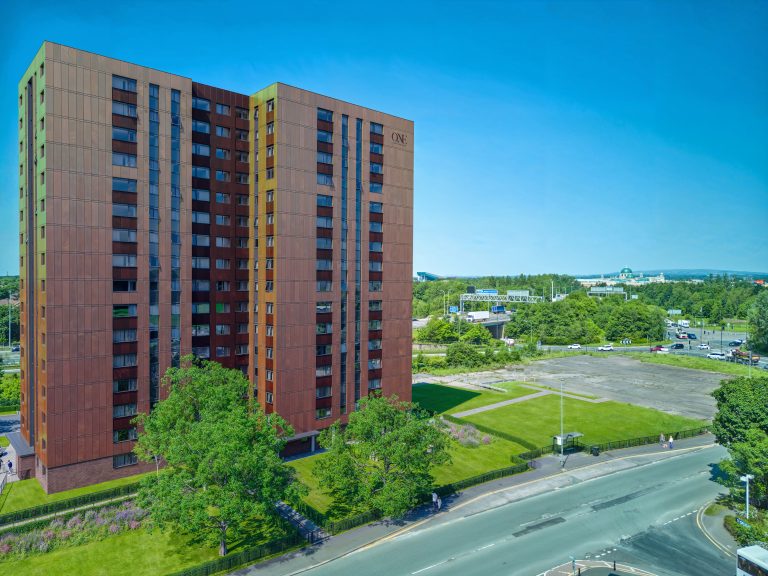
Office building conversion into residential flats in the UK

Why Office Change of Use is Still Powerful in 2026

    Why Office Change of Use is Still Powerful in 2026 Introduction The UK property market has experienced a structural shift over recent years. With hybrid and remote working now standard across many sectors, office demand has changed significantly. Secondary office buildings, in particular, are facing increasing vacancy rates and declining rental performance. However, within this challenge lies a major opportunity. Office change of use remains one of the most effective strategies for unlocking value from underperforming assets. In 2026, the concept is still highly relevant, but it requires a far more selective and strategic approach than in previous years. Not every office building is suitable for conversion to residential use. In many cases, alternative uses such as healthcare, education, or flexible workspace may deliver stronger long-term value. Recent planning guidance and updates from the UK Planning Portal highlight how permitted development and local policy changes continue to shape conversion opportunities  At Muse Architects, we help developers, investors, and landlords assess both planning feasibility and practical buildability before significant costs are committed. This article explains why office change of use continues to be powerful, and how to identify when it truly works. The Shift in Office Demand Alt text: Empty office space due to reduced demand The demand for office space has not disappeared, but it has evolved. Businesses are rethinking how they use space, often downsizing or adopting hybrid working models. As a result, many older office buildings are no longer aligned with market expectations. Key trends include reduced demand for secondary office stock, increased preference for high-quality and flexible workspaces, and growing interest in mixed-use developments. This shift has created a mismatch between supply and demand. While modern offices in prime locations continue to perform well, older buildings in less desirable areas are struggling. These buildings present an opportunity for repositioning through change of use. What is Office Change of Use Office change of use refers to converting a building from its existing commercial function into another use class. Most commonly, this involves converting offices into residential units, but it can also include other uses such as healthcare facilities, educational spaces, or creative studios. While residential conversion is often the default option, it is not always the most suitable or profitable outcome. The success of a project depends on aligning the building’s physical characteristics with the intended use. Why Office Change of Use Remains Powerful Strong Residential Demand The UK continues to face a housing shortage, particularly in urban areas. Converting underused office buildings into residential units helps address this demand while increasing asset value. For developers and investors, residential conversions can provide stable rental income and strong resale potential when executed correctly. Planning Opportunities Permitted Development Rights have made office-to-residential conversion more accessible by allowing certain changes without full planning permission. However, this route still involves detailed assessments and compliance with strict criteria. Prior approval is required for factors such as natural light, space standards, and environmental impacts. In some areas, Article 4 Directions remove these rights entirely, requiring a full planning application. Understanding the planning context is essential before proceeding. Faster Delivery Compared to new-build developments, change of use projects often benefit from shorter timelines. Existing structures reduce the need for extensive construction work, allowing projects to progress more quickly. This can be particularly advantageous in uncertain market conditions where speed and cost control are critical. Sustainability Benefits Reusing existing buildings significantly reduces carbon emissions compared to demolition and new construction. This aligns with increasing regulatory and market expectations around sustainability. In 2026, environmental performance is a key consideration for both investors and end users. Understanding the UK Planning Framework A successful office change of use project begins with a clear understanding of planning regulations. Lawful Use The first step is confirming the building’s lawful use class. Most offices fall within Use Class E, but variations may apply depending on the building’s history. Article 4 Directions Local authorities may introduce Article 4 Directions to restrict permitted development rights. In these areas, office-to-residential conversion requires full planning permission. Ignoring this constraint can lead to delays and additional costs. Prior Approval vs Full Planning The prior approval process offers a faster route but limits flexibility. It focuses on technical compliance rather than design quality. A full planning application allows for greater design freedom but involves a more detailed and time-consuming process. Choosing the appropriate route depends on the building and its context. For a full breakdown of prior approval requirements, refer to the UK Government guidance  Local Amenity Considerations Planning authorities assess how a proposed development will impact its surroundings. Key factors include noise levels, air quality, access to transport, and the effect on neighbouring properties. Failure to address these issues can result in refusal. The Reality of Conversion One of the most common misconceptions is that any office building can be converted into residential units. In practice, many buildings are unsuitable due to design and structural constraints. Understanding these limitations early is essential to avoid costly mistakes. Key Building Factors That Determine Success Daylight and Natural Light Residential units must provide adequate natural light. Buildings with deep floor plates or limited window access often struggle to meet these requirements. Poor daylight conditions can lead to planning rejection or reduced market value. Building Layout Efficient layouts are critical for creating viable residential units. Large, open office floors may not easily translate into functional apartment layouts. Structural grids, column spacing, and internal configuration all influence feasibility. Core Positioning The location of stairs and lifts affects circulation and unit design. Poorly positioned cores can reduce usable floor area and limit layout options. Noise Exposure Buildings located near busy roads, railways, or industrial areas may require significant acoustic mitigation. This can increase costs and reduce viability. Outlook and Amenity Residential units must offer acceptable living conditions, including views and access to light. Units facing blank walls or internal voids are unlikely to succeed in the market. When Residential is Not the Right Choice In many cases, alternative uses provide

Office building conversion into residential flats in the UK

Office Change of Use UK 2026 | When It Works and When It Fails | Muse Architects

Office Change of Use UK 2026 | When It Works and When It Fails | Muse Architects Introduction The UK property market has changed dramatically in recent years. With hybrid and remote working becoming common, many offices, especially older or secondary buildings, are struggling to attract tenants. This has created a unique opportunity for property owners, developers, and investors: office change of use. Office-to-residential conversion can unlock significant value, but not every building is suitable. Poor daylight, deep floorplates, single-aspect layouts, or policy constraints can make a project unviable. According to the UK Government’s guidance on permitted development rights, office-to-residential conversions can proceed without full planning permission in certain cases   Muse Architects helps clients identify the right buildings early, saving time and money. In this article, we’ll explain when office change of use works, when it fails, and what to consider before committing to a project. The Changing Office Market in 2026 Hybrid Working is Here to Stay Many UK businesses have permanently reduced their office footprint. Hybrid models mean fewer desks are needed, and companies are prioritizing flexible, modern workspaces. Secondary offices in less desirable areas now struggle with high vacancy and falling rents. Opportunities in Underperforming Offices Older buildings, especially those with structural or design limitations, can be repositioned for residential, healthcare, education, or creative use. The key is matching the building’s physical characteristics with the right use. Examples of opportunity areas: City centres: Good transport and amenities support residential conversion. Birmingham and Manchester: Secondary office stock with structural flexibility can suit education or coworking. Suburban locations: May be better for community, health, or training facilities. What Is Office Change of Use? Office change of use is the process of converting a building from office (commercial) to another use class. The most common is residential, but alternatives include: Healthcare (clinics, dental practices, physiotherapy) Education and training centres Creative studios and coworking spaces Mixed-use developments Not every office should be forced into residential. The right strategy considers location, building layout, and local planning policy. Why Office Change of Use Can Be Powerful High Residential Demand The UK faces a housing shortage. Converting underused offices to flats helps meet demand and increases asset value. Residential units in the right location provide stable rental income and resale potential. Faster Development Compared to New Builds Change of use projects often require less construction than new builds. Existing structures can be repurposed, reducing cost and time. This is a big advantage in uncertain markets. Sustainability Benefits Reusing buildings reduces carbon emissions compared to demolition and new construction. Energy efficiency upgrades and careful design also improve environmental performance, which is increasingly important for investors and end users. Key Planning Considerations in the UK Lawful Use Classes Most offices fall under Use Class E. Confirm the building’s lawful use before proceeding. Older buildings may have different classifications, which can affect the permitted development route. Permitted Development vs Full Planning Permitted Development Rights allow office-to-residential conversions without full planning applications. However, Article 4 Directions in some areas remove these rights, requiring full planning approval. Checklist for prior approval: Daylight and sunlight standards Space standards Environmental and transport impacts Ignoring planning constraints can result in costly delays. Local Amenity and Neighbourhood Impact Authorities assess how a development affects its surroundings. Consider: Noise levels and air quality Access to public transport and amenities Effects on neighbouring properties Failing to address these issues can lead to refusal. Physical Building Factors That Determine Success Daylight and Natural Light Residential units must have enough natural light. Buildings with deep floorplates or single-aspect plans may fail to meet standards, reducing market appeal. Layout and Column Grids Open-plan office floors may be challenging to convert efficiently. Column spacing, structural cores, and existing walls affect unit layouts. Core Positioning (Stairs and Lifts) Poorly positioned cores can limit circulation and reduce usable floor area. This impacts the number and size of apartments you can create. Noise Exposure Buildings near busy roads, railways, or industrial areas may need acoustic treatment, which increases costs. Floor-to-Ceiling Height Low ceiling heights can restrict the perception of space and limit appeal for residential units. Accessibility and Services Buildings must meet building regulations, including lifts, fire safety, and accessibility. Upgrades can materially affect costs. When Residential Conversion Isn’t the Right Choice Healthcare Uses Offices with good accessibility can become clinics, dental practices, or therapy centres. These usually need less structural change than residential conversion. Education and Training Buildings with large floor plates are ideal for training centres, tuition facilities, or universities. Creative and Studio Spaces Flexible open layouts attract creative industries, designers, and content creators. Flexible Workspaces Instead of converting, some offices can be repositioned as coworking spaces or serviced offices tailored to modern business needs. Financial Considerations ROI and Cost Planning A thorough financial assessment is essential. Consider: Construction costs for conversion Professional fees (planning, design, structural) Rent or sales potential of completed units Tax implications and capital allowances Avoid Costly Mistakes Common errors include: Assuming permitted development guarantees approval Ignoring daylight or layout issues Overestimating unit numbers Underestimating construction or compliance costs Muse Architects helps clients identify weak schemes early, preventing wasted investment. The Muse Architects Approach Planning Assessment Evaluate planning routes, local policies, and any restrictions. Learn more: Planning Feasibility Feasibility Design Test layout options, unit numbers, and compliance with standards. Explore: Change of Use Strategy Buildability Review Assess structural constraints, construction complexity, and cost implications. Services: Architectural Design Case Insights Example 1: A secondary office failed for residential conversion due to deep floorplates and poor light. Repositioned as an education centre, the project had lower costs and strong demand. Example 2: An office with good windows and column spacing converted successfully into 18 residential units, delivering strong ROI. Outlook for Office Buildings The future is flexibility. Mixed-use development, adaptable design, and user-focused spaces will shape the market. Buildings unable to meet modern office standards must evolve to remain viable. Office change of use remains a key tool for transformation. FAQs – Office Change of Use UK

Property Investment Strategies -Introduction

Property Investment Strategies in  UK (2026 Guide: Planning, Risks & Returns) Got Capital… But Don’t Know Where to Invest? Let’s be honest. Most people think property investment is simple — buy a house, rent it out, and wait for prices to rise. But in 2026, it’s not that simple anymore. Costs are risingRegulations are stricterAnd mistakes are more expensive That’s why smart investors don’t just buy property…they follow a clear strategy In this guide, you’ll learn what actually works in the UK property market right now — even if you’re starting from scratch. Is Property Investment Still Worth It in the UK (2026)? Yes — but only if you do it right. Demand for housing in the UK continues to exceed supply, while construction costs are rising. This combination supports long-term property values and rental demand. At the same time, stricter regulations mean investors need to be more strategic than ever. In simple terms:Property still works — but only with the right approach What Are Property Investment Strategies? (Quick Answer) Property investment strategies in uk  are structured ways to generate income or long-term value from real estate. These include buy-to-let, commercial investment, property development, and short-term rentals — each offering different levels of risk, return, and involvement. Why Strategy Matters More in 2026 Property investment today is not just about buying — it’s about compliance, planning, and execution. UK planning systems and building regulations have become more detailed. According to UK planning guidance, even minor changes can require approval depending on location and local authority policies, which can directly affect timelines and profitability. Industry cost data also shows that construction prices are expected to continue rising, making early planning decisions more critical than ever. You can explore official planning guidance and cost insights from sources like the Planning Portal and the Building Cost Information Service (BCIS), which track UK development trends. This means one thing:Your strategy must align with regulations — not fight them 1. Buy-to-Let (Residential Investment)   Buy-to-let is often the starting point for new investors. You purchase a residential property and rent it out to generate consistent income. It’s considered relatively stable, especially in cities with strong rental demand. In 2026, average rental yields in the UK typically range between 4% and 7%, depending on location. However, profitability now depends on proper planning. Rising energy standards, maintenance costs, and mortgage rates all impact returns. The key is to treat buy-to-let as a long-term income strategy — not a quick win. 2. Commercial Property Investment Commercial property includes offices, retail units, and industrial spaces. These investments often deliver higher yields — typically between 6% and 10% — but also require a better understanding of market demand. In 2026, the real opportunity lies in repositioning assets. Instead of simply renting a space, investors are converting and upgrading properties to increase value. For example, industrial units are being transformed into modern office spaces or mixed-use developments. This approach creates value rather than waiting for it. 3. Property Development & Conversions (High-Return Strategy) This is where experienced investors generate the highest returns. Rather than buying a finished asset, you improve underused property — increasing its value through planning, design, and redevelopment. Returns can reach 15% to 25% ROI, depending on execution. However, this strategy requires deeper involvement, including planning approvals, design expertise, and cost management. If done correctly, this is one of the most powerful ways to build wealth through property. 4. REITs & Passive Property Investment Not everyone wants to manage property directly. Real Estate Investment Trusts (REITs) allow you to invest in property portfolios without owning physical buildings. This makes them easier to manage and more liquid, but also means you have less control over decisions. Ideal for investors looking for passive exposure to property. 5. Short-Term & Holiday Lets Short-term rentals can generate higher income than traditional renting — especially in high-demand areas. However, they also come with increased regulation and operational complexity. Many UK councils are introducing stricter controls on short-term lets, meaning compliance is essential before investing. Higher returns — but also higher risk. Costs & Financial Planning (What Most Investors Get Wrong)   Here’s the reality. Most investors focus on purchase price — but underestimate the full cost of a project. Beyond buying the property, you need to consider renovation costs, professional fees, planning applications, and compliance upgrades. It’s also important to understand that hiring professionals early — such as architects — can actually reduce overall costs by avoiding planning rejections, design errors, and expensive changes during construction. With construction costs expected to rise, early planning is no longer optional — it’s essential. Smart investors always include a 10–15% contingency buffer Best Property Investment Strategies in the UK (2026 Comparison) Strategy Risk Return Effort Buy-to-let Low 4–7% Low Commercial Medium 6–10% Medium Development High 15–25% High REITs Low Medium Low Holiday Lets Medium Medium–High Medium The best strategy depends on your budget, risk tolerance, and long-term goals. Common Mistakes That Kill Property Investments Most costly mistakes happen before the investment even begins. Ignoring planning requirements, underestimating costs, and relying too heavily on debt are some of the most common issues investors face. There is also a growing risk of ignoring sustainability and compliance standards, which can affect both approval and long-term property value. In simple terms:Bad decisions early = expensive problems later   How Muse Architects Can Help At Muse Architects, we work with investors who want to move beyond basic property investment and build long-term value. We help you: Identify high-potential opportunities Navigate planning and regulations Design and optimise property value Future-proof your investment Explore our services: Musearchitects.co.uk/servicesView our projects: Musearchitects.co.uk/projects Conclusion : Before you invest thousands into the wrong strategy, it’s worth getting clarity first. The difference between a profitable investment and a costly mistake often comes down to the decisions you make at the start. Get expert guidance from Muse Architects and choose the right property investment strategy for your goals:Musearchitects.co.uk  

Elevating Your Property with Building Regulation Compliant House Design Plans

Elevating Your Property with Building Regulation Compliant House Design Plans (Ultimate UK Guide 2026)   Introduction In today’s UK construction landscape, designing a property is no longer just about aesthetics or space planning. It is about creating a building that is safe, efficient, sustainable, and fully compliant with strict legal standards. Building regulation compliant house design plans are the foundation of any successful property project. Whether you are building a new home, extending an existing one, or converting a property, compliance ensures that your design meets all required performance standards. With increasing focus on energy efficiency, safety, and sustainability, especially in 2026 and beyond, following building regulations is more important than ever. Recent regulatory changes are pushing developers and homeowners toward low-carbon, future-ready homes.  What Are Building Regulations in the UK? Building regulations are legal standards set by the UK government under the Building Act 1984. They control how buildings are designed and constructed to ensure safety and performance. They apply to: New builds Extensions Loft conversions Structural alterations Commercial developments Each regulation is supported by Approved Documents, which provide detailed guidance. These rules cover key areas like: Structural safety Fire protection Energy performance Ventilation Accessibility Difference Between Planning Permission and Building Regulations This is where many people get confused. Planning Permission Focuses on appearance, location, and land use Controlled by local planning authorities Building Regulations Focus on how the building is constructed Ensure safety, performance, and compliance You usually need both — but they are separate approvals. Why Building Regulation Compliance Is Critical in 2026 Legal Protection Without compliance, your project can be stopped or even demolished. Safety Standards Building regulations protect occupants from risks like fire, collapse, and poor air quality. Energy Efficiency Goals The UK aims for net-zero carbon emissions by 2050, and building regulations play a key role in achieving this.  H3: Financial Value Non-compliant properties are harder to sell and may reduce property value. Core Building Regulation Parts Explained Part A – Structure Ensures the building can safely carry loads and resist collapse. Part B – Fire Safety Focuses on: Escape routes Fire alarms Fire-resistant materials Fire safety rules are becoming stricter after recent safety reforms.  Part C – Site Preparation Protects buildings from damp and contamination. Part E – Sound Controls noise transfer between rooms and properties. Part F – Ventilation Ensures proper airflow and indoor air quality. Part L – Energy Efficiency This is one of the most important parts today. It focuses on: Insulation Heating systems Carbon emissions New updates require buildings to significantly reduce energy use and heat loss.  H3: Part M – Accessibility Ensures buildings are usable for everyone. Section 1 – Role of Architects in Compliance Architects are essential in translating regulations into practical design. They: Create compliant layouts Integrate fire safety measures Ensure energy efficiency targets are met Coordinate with engineers Most importantly, they ensure compliance is built into the design from the beginning — not fixed later. Section 2 – Design Stage: The Most Important Phase The biggest mistake people make is thinking compliance happens during construction. In reality, compliance starts at the design stage. Key Design Considerations Orientation of the building Natural lighting Insulation strategy Ventilation systems Structural layout Early decisions directly impact compliance success.   Section 3 – Energy Efficiency (Part L Deep Dive) Energy efficiency is now a core focus of UK building regulations. Part L aims to reduce carbon emissions, improve insulation, and lower energy consumption. Recent updates require: Improved wall, roof, and floor insulation High-performance windows with lower U-values Airtight construction to minimise heat loss For example, newer standards significantly reduce heat loss compared to older buildings, making energy-efficient design critical. SAP Calculations Designs must pass Standard Assessment Procedure (SAP) calculations to demonstrate energy performance. These calculations are essential to ensure the building meets Part L compliance. Section 4 – Sustainability & Future Homes Standard The Future Homes Standard aims to create homes producing 75–80% fewer emissions than older regulations. However, full implementation may extend toward 2028, reflecting ongoing policy updates. This highlights the importance of future-proof design, ensuring homes remain sustainable and compliant over time. For guidance, visit UK Government Future Homes Standard. Section 5 – Fire Safety & Building Safety Act Impact Fire safety is now a major priority under updated regulations. New requirements include: Early fire safety planning during design Stronger material standards Clear evacuation routes Authorities can now reject non-compliant designs before construction begins, making compliance from day one crucial. See GOV.UK Fire Safety Guidance Section 6 – Ventilation & Indoor Health Modern homes are more airtight, making ventilation a key concern. Part F ensures: Continuous fresh air supply Moisture control to prevent mold Healthy living environments for occupants Proper ventilation is critical for both compliance and occupant wellbeing. Section 7 – Building Control Approval Process The building control process includes: Submission of design plans Review and feedback from authorities Site inspections during construction Issuance of a final completion certificate Without this certification, the building is not legally approved, so oversight throughout the process is essential. Section 8 – Cost Implications of Compliance Compliance may increase upfront costs but provides long-term benefits. Short-Term Costs Better materials and construction standards Professional services, including architects and engineers Energy-efficient systems Long-Term Savings Lower energy bills Reduced maintenance and repairs Higher resale value due to better standards Muse Architects guide clients to balance upfront investment with future savings, ensuring buildings are efficient, safe, and valuable. Section 9 – Common Mistakes to Avoid Ignoring regulations early Poor insulation design Weak ventilation planning No professional involvement These mistakes can cause major delays and cost overruns. Section 10 – Future Trends in UK Housing Design Modern regulations are moving toward: Net-zero homes Renewable energy systems EV charging integration Climate-resilient design New national design guidance also promotes healthier, greener communities. How Muse Architects Can Help Early decisions determine the success — and profitability — of your project. At Muse Architects, we specialise in creating fully building regulation-compliant house design plans from initial feasibility right through

Property Investment Strategies

Property Investment Strategies in Manchester & the UK (2026 Ultimate Guide)   Introduction: Why Invest in Property in 2026? UK property still matters as an investment in 2026, even though the landscape has changed significantly from the early 2010s. Instead of boom‑or‑bust swings, the market is entering a more measured growth phase where data‑driven strategy delivers real returns. Here’s what’s shaping the market right now: Moderate house price growth: A Reuters analysis predicts around 2.5% average national price increase in 2026, with some regional variation. Rental market demand: Rents across the UK continue to show strength as housing supply remains short relative to demand. Regions like the North West and Midlands are particularly active. Shift in investor sentiment: Confidence in the housing market is slowly improving, with Royal Institution of Chartered Surveyors showing more positive buyer enquiry trends. Policy and regulation headwinds: New tenancy laws, especially the Renters’ Rights Act, are reshaping landlord strategy. Regional rotation: Growth is shifting towards northern cities like Manchester and the Midlands rather than London. If you’re trying to understand how these changes affect real projects, you can learn more from our practical insights on planning and development at Muse Architects, where we break down what actually works on the ground. 1. UK Property Market in 2026 – Trends & Forecasts 1.1 Price Growth & Stability The overall UK property market in 2026 is expected to grow steadily rather than soar: National average price increases are projected at roughly 2%–4%, according to forecasts. This contrasts with peak volatility of earlier years, suggesting a more sustainable pace of growth. Regional markets like Manchester, Birmingham, and parts of the North West are expected to outperform the national average thanks to strong local demand and regeneration activity. 1.2 Rental Market Dynamics Rental demand remains robust across the UK, supported by persistent undersupply: Rental prices are forecast to grow around 2%–3% nationally in 2026, with stronger local performance in hotspots with young working populations and universities. The chronic shortage of rental stock — partly due to landlords exiting the market because of rates, regulations and taxes — keeps rents elevated. That strong rental backdrop is a core driver behind continued interest in buy‑to‑let, PBSA (Purpose‑Built Student Accommodation), HMOs and mixed‑use strategies. 1.3 Demand Shifts: First‑Time Buyers & Renters Interestingly, some market data indicates that rental demand isn’t uniformly strong: Improved mortgage affordability and higher wages have encouraged some renters to become buyers, leading to lower rental enquiries in early 2026 — the lowest since 2019 in some reported datasets. This shows that rental demand is not immune to broader economic shifts — investors must understand local dynamics and tenant profiles on a case‑by‑case basis. check guidance here: https://planningportal.co.uk/ 2. Top Property Investment Strategies for 2026 The landscape for UK property investment is no longer one‑size‑fits‑all. Here are the key strategies, what they look like today, and expected performance ranges. 2.1 Buy‑to‑Let (BTL)     Description: Buying residential property to rent to tenants on traditional tenancy agreements. Why It Still Works: Steady long‑term demand in many cities where housing supply lags behind household formation. Gross rental yields for conventional BTL in many UK cities are generally expected around 5.2%–5.8% in 2026. Manchester continues to be a standout regional market with rental yield potential often above national averages. Pros: Simple structure Broad tenant appeal Good long‑term stability Cons: Lower yields compared to specialist formats More affected by regulation and tax changes Who It Suits: Investors seeking a balance between income and capital growth, and who plan to hold long term. 2.2 Houses in Multiple Occupation (HMOs) Description: Letting individual rooms to multiple tenants under one roof. Why Invest in HMOs: Typically deliver higher gross yields than standard BTL because rooms can be rented individually. Especially strong where student populations, young professionals, or accommodation shortages exist. Pros: 7–10%+ gross yields in many parts of the UK. Shorter vacancy risk because one empty room doesn’t mean zero income. Cons: More management required Requires HMO licensing and compliance with multiple safety standards HMOs can be especially strong where local licensing is structured but not overly restrictive — areas with balanced demand and reasonable entry costs are ideal. 2.3 Purpose‑Built Student Accommodation (PBSA) Description: Blocks or developments specifically designed for student rentals. Why It’s Attractive in 2026: UK universities continue to attract large student numbers, especially international students, creating a persistent bed shortage in many cities. PBSA often delivers 6%–9%+ gross yields because of strong occupancy rates and stable demand. Pros: High, predictable occupancy Less vacancy risk Can attract institutional investors for co‑investment Cons: Requires development capital or specialist operators Dependent on student numbers and university planning Despite being specialised, PBSA remains one of the most resilient sub‑sectors in 2026 for investors seeking consistent income. 2.4 BRR – Buy, Refurbish, Refinance Description: Buy a property needing improvement, refurbish it to increase value and rents, then refinance to release equity for further deals. Why Investors Use BRR: Potential to generate immediate capital uplift and rental increases if improvements are executed well. Refinance proceeds can fund additional acquisitions, accelerating portfolio growth. Pros: Can magnify returns Adds tangible value beyond market trends Cons: Requires hands‑on management Higher risk if budgets or timelines slip BRR is not purely passive — it’s for investors who want active value enhancement rather than pure yield plays. 2.5 Development and Conversion Projects Description: Developing new homes or converting existing buildings (e.g., commercial to residential, flats into multi‑unit freeholds). Why It Works: Certain conversions — e.g., turning commercial space into residential — are easier in 2026 due to more flexible planning regimes. Developers who understand local demand can unlock both income and capital growth in one project. Pros: Large potential returns Can meet specific local demand niches (mixed‑use, co‑living, etc.) Cons: Complex — involves planning, surveys, financing and compliance Longer timelines Development is most suited to investors with experience or strong advisor networks. 3. Step‑by‑Step Guide to Evaluating Property Investments   Here’s a practical process you can follow before investing: Step 1: Define Your

Unlocking Architectural Excellence: Your Guide to Choosing the Right Architect in Manchester

How to Choose the Right Architect in Manchester (2026 Guide for Homeowners & Developers) Planning a Project… But Not Sure Which Architect to Trust? Let’s be honest for a second. Most homeowners in Manchester don’t struggle with ideas — they struggle with decisions. “What if my planning gets rejected?” “What if I overspend?” “What if I hire the wrong person?” And the truth is… these are real risks. In 2026, building a home extension or renovation isn’t just about design. It involves planning laws, building safety regulations, energy standards, and rising construction costs. One wrong decision at the start can delay your project for months — or cost you thousands. That’s why the most important decision you’ll make isn’t about layout or materials… it’s how to choose the right architect in Manchester   What Does an Architect Do in the UK? An architect is a fully qualified professional who designs buildings, prepares planning applications, ensures compliance with building regulations, and manages projects from concept to completion. In the UK, architects are trained to handle both design and technical aspects, ensuring your project is approved and built correctly.   Why Choosing the Right Architect in Manchester Matters More in 2026     Things have changed significantly in recent years. With stricter UK planning requirements and updates in building safety regulations, even small projects now require proper technical understanding.   In recent years, UK planning and construction requirements have become significantly more detailed. According to official planning guidance, incomplete or poorly prepared applications are one of the leading causes of delays and refusals. At the same time, construction cost forecasts show a steady increase in tender prices, meaning early planning and professional input are more important than ever. For example: More detailed planning validation requirements Increased focus on energy efficiency Stronger oversight through the Building Safety Regulator According to UK planning guidance, incomplete or poorly prepared applications are one of the main reasons projects get delayed or rejected. This is exactly why working with an experienced, local architect is so important. At Muse Architects, we focus on getting everything right before construction begins — saving you time, money, and stress.  Architect vs Designer — What’s the Difference (And Why It Matters) This is where many people get confused. Let’s break it down simply. An architect is fully trained and qualified to handle: Planning permission Building regulations Structural coordination Full project delivery A designer, on the other hand, often focuses only on layout or aesthetics. The key difference? An architect ensures your project is not only designed well — but also approved and built correctly. In a city like Manchester, where planning constraints and site limitations are common, this expertise becomes critical. When Should You Hire an Architect? (Most People Get This Wrong) Most homeowners think: “I’ll contact an architect when I’m ready to build” But the smartest time to hire one is much earlier — at the idea stage. Here’s why.  For example, we often work with homeowners who initially believe they need a full extension. But after reviewing the layout, we’re able to redesign the internal space more efficiently — saving both planning time and construction costs. This is where early architectural input creates real value. If your space feels too small, an architect can often redesign it internally — without the need for a costly extension. If you’re planning a loft conversion, early involvement ensures compliance with fire safety and structural requirements. And if you’re considering a large extension, early planning advice can prevent rejection — especially with stricter 2026 planning processes. You can explore real examples here: https://musearchitects.co.uk/projects/ How to Choose the Right Architect in Manchester (Step-by-Step) Now let’s answer the main question directly. 1. Look at Real Projects (Not Just Pretty Images) Anyone can show nice visuals. But what matters is: Approved projects Built results Similar project experience 2. Check Local Experience Manchester has its own planning challenges. From conservation areas to tight urban plots, local knowledge makes a huge difference in approval success. 3. Ask the Right Questions When you speak to an architect, ask: How will you approach my project? What planning risks do you see? How will you control costs? 4. Understand Their Process A good architect will clearly explain: Feasibility Design stages Planning submission Construction support At Muse Architects, we guide clients step-by-step — so you always know what’s happening next. Learn more about our services: https://musearchitects.co.uk/services/ What Does the Process Actually Look Like?       Let’s break this down in a simple way. Every successful project starts with a feasibility stage, where your architect assesses the site, planning constraints, and budget. This is where potential problems are identified early — before they become expensive. Once that’s clear, the design stage begins. This is where your ideas are translated into layouts, visuals, and detailed drawings that reflect how you want the space to feel and function. After that comes planning. Your architect prepares and submits the application, ensuring everything meets local requirements and reduces the risk of rejection. Finally, during construction, your architect helps ensure that what gets built matches what was designed — keeping quality, compliance, and budget under control. This structured approach is what separates a smooth project from a stressful one.   Costs in 2026 — What You Should Expect Let’s talk about the numbers. Architect fees typically range from: £60–£125 per hour Or 5%–15% of the construction cost   It’s important to understand that while hiring an architect may seem like an additional cost, it often reduces overall project expenses. By avoiding planning rejections, design errors, and construction changes, professional input can save significantly more than it costs. Construction costs are also rising across the UK. According to recent UK construction forecasts, tender prices are expected to increase over the coming years — which makes early planning even more important. You can explore industry data and cost trends from the UK’s construction cost database here: https://www.bcis.co.uk/ The key takeaway: The earlier you plan properly, the more money you save.

Select the fields to be shown. Others will be hidden. Drag and drop to rearrange the order.
  • Image
  • SKU
  • Rating
  • Price
  • Stock
  • Availability
  • Add to cart
  • Description
  • Content
  • Weight
  • Dimensions
  • Additional information
Click outside to hide the comparison bar
Compare