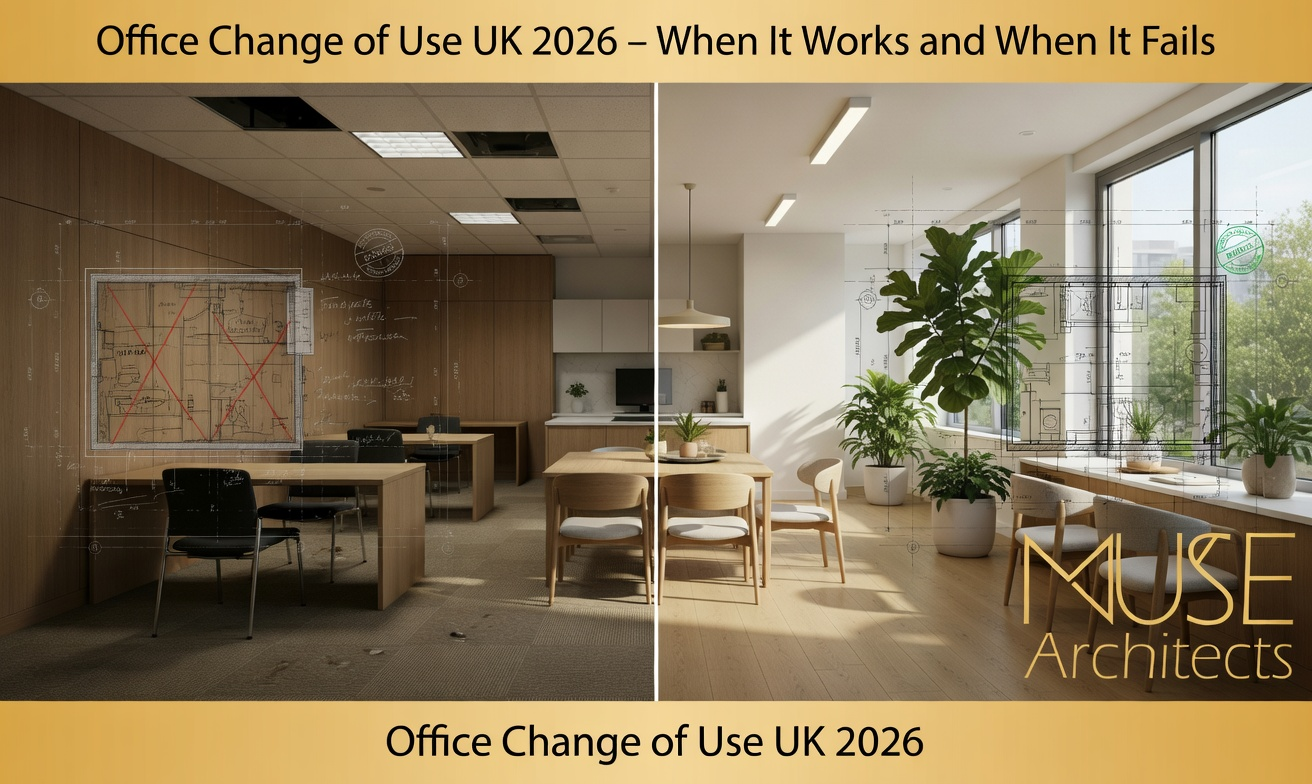
Office Change of Use UK 2026 | When It Works and When It Fails | Muse Architects
Introduction
The UK property market has changed dramatically in recent years. With hybrid and remote working becoming common, many offices, especially older or secondary buildings, are struggling to attract tenants. This has created a unique opportunity for property owners, developers, and investors: office change of use.
Office-to-residential conversion can unlock significant value, but not every building is suitable. Poor daylight, deep floorplates, single-aspect layouts, or policy constraints can make a project unviable.
According to the UK Government’s guidance on permitted development rights, office-to-residential conversions can proceed without full planning permission in certain cases
Muse Architects helps clients identify the right buildings early, saving time and money. In this article, we’ll explain when office change of use works, when it fails, and what to consider before committing to a project.
The Changing Office Market in 2026

Hybrid Working is Here to Stay
Many UK businesses have permanently reduced their office footprint. Hybrid models mean fewer desks are needed, and companies are prioritizing flexible, modern workspaces. Secondary offices in less desirable areas now struggle with high vacancy and falling rents.
Opportunities in Underperforming Offices
Older buildings, especially those with structural or design limitations, can be repositioned for residential, healthcare, education, or creative use. The key is matching the building’s physical characteristics with the right use.
Examples of opportunity areas:
- City centres: Good transport and amenities support residential conversion.
- Birmingham and Manchester: Secondary office stock with structural flexibility can suit education or coworking.
- Suburban locations: May be better for community, health, or training facilities.
What Is Office Change of Use?
Office change of use is the process of converting a building from office (commercial) to another use class. The most common is residential, but alternatives include:
- Healthcare (clinics, dental practices, physiotherapy)
- Education and training centres
- Creative studios and coworking spaces
- Mixed-use developments
Not every office should be forced into residential. The right strategy considers location, building layout, and local planning policy.
Why Office Change of Use Can Be Powerful
High Residential Demand
The UK faces a housing shortage. Converting underused offices to flats helps meet demand and increases asset value. Residential units in the right location provide stable rental income and resale potential.
Faster Development Compared to New Builds
Change of use projects often require less construction than new builds. Existing structures can be repurposed, reducing cost and time. This is a big advantage in uncertain markets.
Sustainability Benefits
Reusing buildings reduces carbon emissions compared to demolition and new construction. Energy efficiency upgrades and careful design also improve environmental performance, which is increasingly important for investors and end users.
Key Planning Considerations in the UK
Lawful Use Classes
Most offices fall under Use Class E. Confirm the building’s lawful use before proceeding. Older buildings may have different classifications, which can affect the permitted development route.
Permitted Development vs Full Planning
Permitted Development Rights allow office-to-residential conversions without full planning applications. However, Article 4 Directions in some areas remove these rights, requiring full planning approval.
Checklist for prior approval:
- Daylight and sunlight standards
- Space standards
- Environmental and transport impacts
Ignoring planning constraints can result in costly delays.
Local Amenity and Neighbourhood Impact
Authorities assess how a development affects its surroundings. Consider:
- Noise levels and air quality
- Access to public transport and amenities
- Effects on neighbouring properties
Failing to address these issues can lead to refusal.
Physical Building Factors That Determine Success
![]Office to residential conversion layout and daylight planning](https://musearchitects.co.uk/wp-content/uploads/2026/04/image2-300x300.png)
Daylight and Natural Light
Residential units must have enough natural light. Buildings with deep floorplates or single-aspect plans may fail to meet standards, reducing market appeal.
Layout and Column Grids
Open-plan office floors may be challenging to convert efficiently. Column spacing, structural cores, and existing walls affect unit layouts.
Core Positioning (Stairs and Lifts)
Poorly positioned cores can limit circulation and reduce usable floor area. This impacts the number and size of apartments you can create.
Noise Exposure
Buildings near busy roads, railways, or industrial areas may need acoustic treatment, which increases costs.
Floor-to-Ceiling Height
Low ceiling heights can restrict the perception of space and limit appeal for residential units.
Accessibility and Services
Buildings must meet building regulations, including lifts, fire safety, and accessibility. Upgrades can materially affect costs.
When Residential Conversion Isn’t the Right Choice
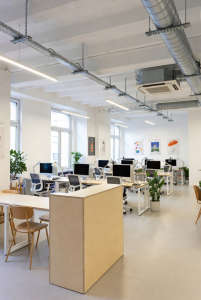
Healthcare Uses
Offices with good accessibility can become clinics, dental practices, or therapy centres. These usually need less structural change than residential conversion.
Education and Training
Buildings with large floor plates are ideal for training centres, tuition facilities, or universities.
Creative and Studio Spaces
Flexible open layouts attract creative industries, designers, and content creators.
Flexible Workspaces
Instead of converting, some offices can be repositioned as coworking spaces or serviced offices tailored to modern business needs.
Financial Considerations
ROI and Cost Planning
A thorough financial assessment is essential. Consider:
- Construction costs for conversion
- Professional fees (planning, design, structural)
- Rent or sales potential of completed units
- Tax implications and capital allowances
Avoid Costly Mistakes
Common errors include:
- Assuming permitted development guarantees approval
- Ignoring daylight or layout issues
- Overestimating unit numbers
- Underestimating construction or compliance costs
Muse Architects helps clients identify weak schemes early, preventing wasted investment.
The Muse Architects Approach
Planning Assessment
Evaluate planning routes, local policies, and any restrictions.
Learn more: Planning Feasibility
Feasibility Design
Test layout options, unit numbers, and compliance with standards.
Explore: Change of Use Strategy
Buildability Review
Assess structural constraints, construction complexity, and cost implications.
Services: Architectural Design
Case Insights
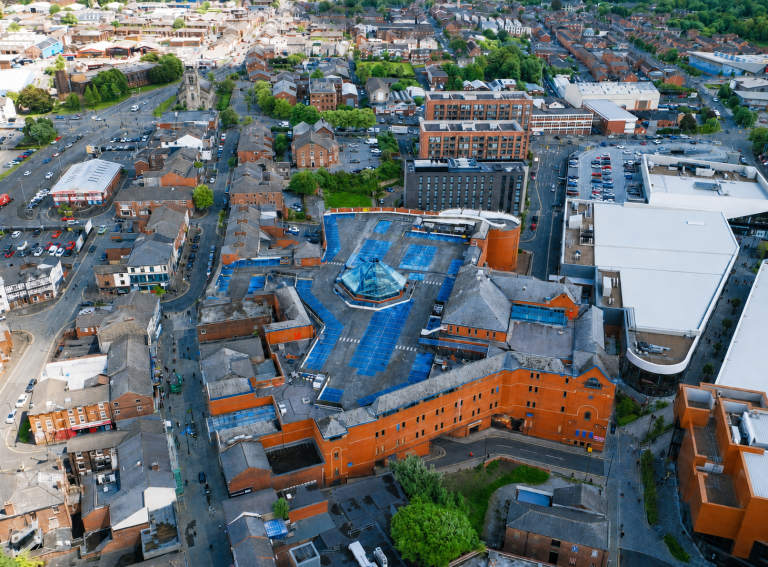
- Example 1: A secondary office failed for residential conversion due to deep floorplates and poor light. Repositioned as an education centre, the project had lower costs and strong demand.
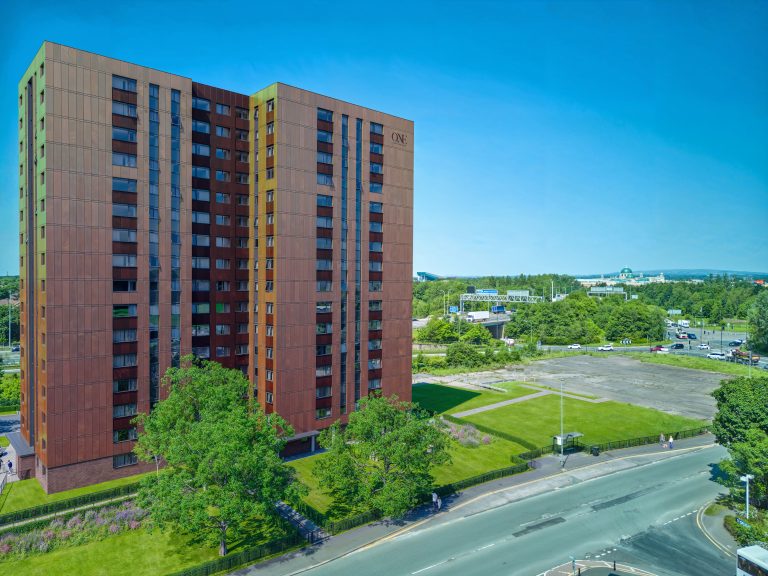
- Example 2: An office with good windows and column spacing converted successfully into 18 residential units, delivering strong ROI.
Outlook for Office Buildings
The future is flexibility. Mixed-use development, adaptable design, and user-focused spaces will shape the market. Buildings unable to meet modern office standards must evolve to remain viable. Office change of use remains a key tool for transformation.
FAQs – Office Change of Use UK 2026
-
Is office change of use profitable in 2026?
Yes, if the building is suitable and the conversion aligns with planning and market demand. -
Do I always need planning permission?
No. Permitted development applies in many areas, but Article 4 Directions may require full planning. -
What makes an office unsuitable for residential?
Poor daylight, single-aspect layouts, deep floorplates, and high noise exposure. -
Can listed or historic buildings be converted?
Yes, but heritage regulations can limit changes, affecting layout and costs. -
How long does a conversion take?
Prior approval projects are faster; full planning applications and complex conversions take longer. -
Are there alternative uses to residential?
Yes – healthcare, education, studios, and flexible workspace often provide better returns in certain buildings. -
What is the biggest risk in office conversion?
Skipping early-stage feasibility checks can result in planning refusal or wasted costs.

Call to Action
If you own or are considering an office building, send us the address, floor area, and current use. We will assess whether residential conversion is realistic or if another use unlocks greater value.
About Muse Architects
Muse Architects specialises in change of use strategy, planning feasibility, and design-led development. The practice supports developers, investors, and landlords in unlocking the full potential of their assets.
Visit: https://musearchitects.co.uk