Upper Floors to Flats UK: What Usually Makes the Difference
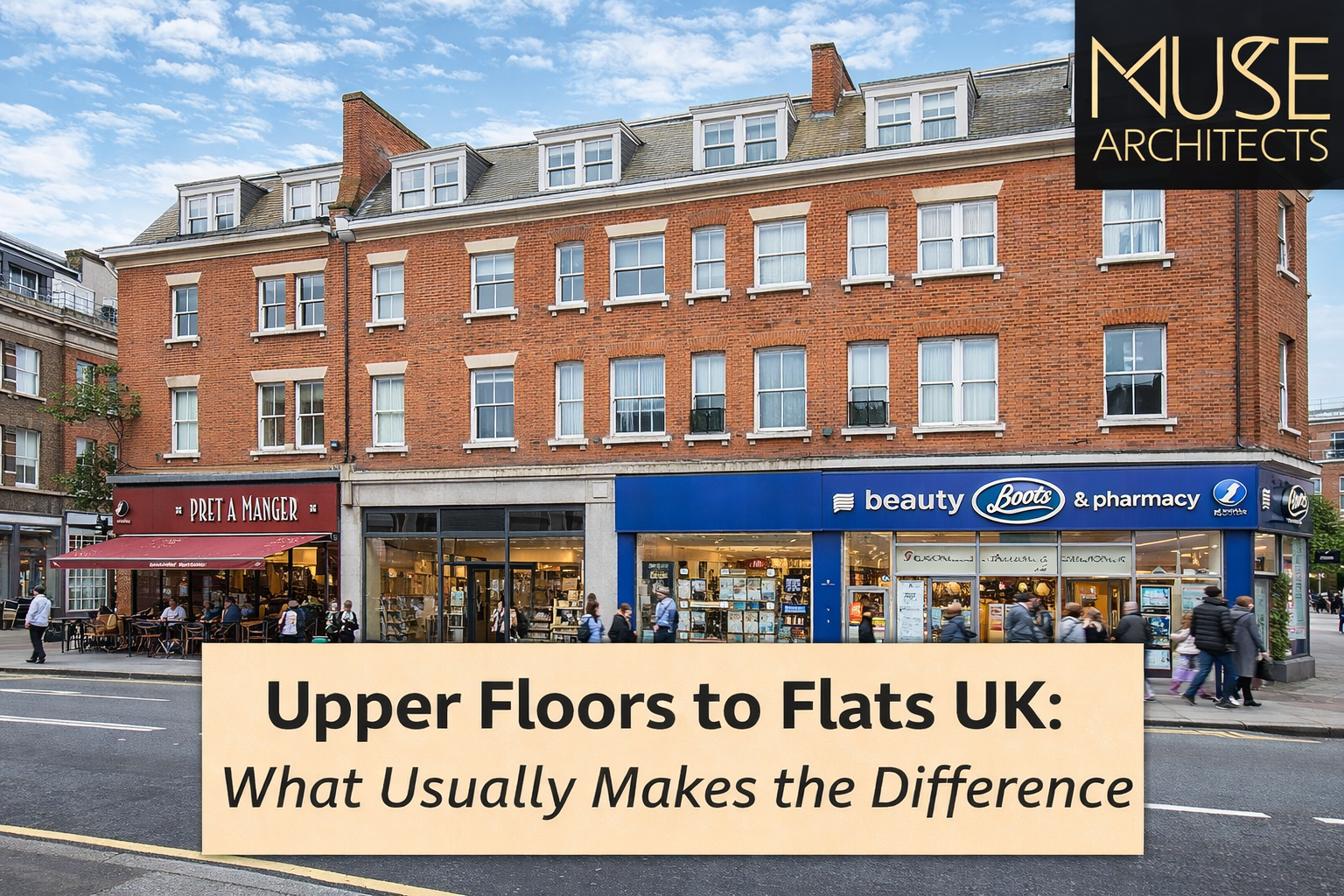
Across UK high streets and local parades, there is a consistent pattern.
Retail at ground level—and underused or vacant space above.
These upper floors above shops in the UK are often seen as an obvious opportunity for residential conversion.
And in many cases, they are.
But not every upper floor converts easily.
Some projects move smoothly through planning and deliver strong outcomes. Others become complex, expensive, and ultimately unviable.
The difference is rarely luck.
It comes down to a few key fundamentals:
access, layout, light, and early decision-making.
At Muse, this is where every upper floor conversion UK project begins—not with design, but with testing whether the fundamentals actually work.
Why Upper Floors to Flats Are a Strong Opportunity in the UK
Converting upper floors to flats in the UK can unlock value in properties that are otherwise underperforming.
This is particularly relevant in:
- High street buildings
- Mixed-use parades
- Small town-centre assets
The benefits include:
- Additional rental income
- Improved asset value
- Better use of existing space
- Reduced reliance on retail performance
However, success depends on whether the building can support residential use in a practical and compliant way.
For a broader understanding of how mixed-use strategies create value, our property investment strategies guide explains how small changes can improve long-term performance.
The Key Factors That Make Upper Floor Conversion Work
The success of upper floors to flats UK projects is determined by a small number of critical factors.
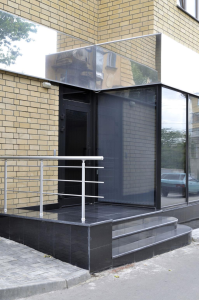
1. Separate Access (The Most Important Factor)
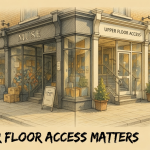
Independent access is often the single biggest constraint in flats above shops UK.
A successful scheme usually requires:
- A dedicated entrance
- Clear separation from the retail unit
- Safe and compliant access routes
Without this, planning and building regulations become significantly more complex.
In many cases, simple, clean access solutions outperform forced or complicated designs.
2. Natural Light and Outlook
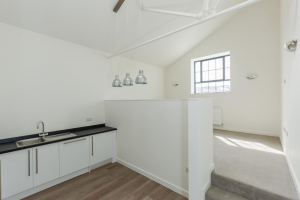
Natural light is a key requirement for residential use.
Planning authorities will assess:
- Window positions
- Depth of floor plan
- Overall daylight quality
Deep or poorly configured layouts can make upper floor residential conversion UK unviable.
This is one of the most common reasons schemes fail.

3. Stair Geometry and Layout Efficiency
Stairs are often underestimated in small projects.
However, stair position and geometry directly affect:
- Usable floor area
- Layout efficiency
- Compliance with building regulations
Poor stair design can reduce value and limit what is achievable.
4. Servicing and Utilities
Residential units require appropriate servicing, including:
- Water and drainage
- Electricity and heating
- Waste management
Independent servicing is often required, particularly in mixed-use buildings.
This must be considered early in the upper floor conversion process UK.
5. Refuse and Cycle Storage
Local authorities increasingly require:
- Dedicated refuse storage
- Cycle parking
These elements must be integrated into the design without compromising access or layout.
6. Fire Separation and Compliance
Fire safety is a critical aspect of flats above shops conversion UK.
This includes:
- Fire separation between retail and residential
- Safe escape routes
- Compliance with building regulations
These requirements can significantly influence design and cost.
Why Simple Schemes Often Perform Better
One of the biggest misconceptions in upper floor to residential conversion UK is that more complex design creates more value.
In reality, the opposite is often true.
The most successful schemes are typically:
- Simple in layout
- Efficient in circulation
- Clear in access strategy
Overly complex designs often lead to:
- Higher costs
- Planning challenges
- Reduced usable space
This is why early feasibility is essential.
Planning Considerations for Upper Floor Conversion UK
Planning is a key part of any upper floors to flats UK project.
Applications are typically submitted through the Planning Portal
[External Link: https://www.planningportal.co.uk/]
However, approval depends on:
- Access arrangements
- Residential quality (light, space, outlook)
- Impact on neighbouring properties
- Compliance with local policy
More complex cases may involve the Planning Inspectorate.
To understand how planning decisions are structured, our UK planning permission guide provides a detailed overview.
Common Mistakes in Upper Floor to Flats Projects
Where Value Is Lost
Many upper floor conversion UK projects fail due to avoidable mistakes.
Common issues include:
- Forcing residential use without proper access
- Ignoring natural light constraints
- Overcomplicating layouts
- Underestimating fire and compliance requirements
- Starting design before feasibility is tested
These mistakes often lead to redesign, delays, or unviable schemes.
Upper Floor Conversion Checklist UK
Before committing to an upper floors to flats UK project, key questions should be answered:
- Is independent access achievable?
- Does the layout support residential use?
- Is there sufficient natural light?
- Can servicing be provided efficiently?
- Will planning policy support the proposal?
These factors determine whether the opportunity is real.
How Early Design Thinking Saves Time and Money
One of the most important steps in upper floor residential conversion UK is early feasibility.
Testing the building before design begins helps to:
- Avoid unworkable layouts
- Reduce planning risk
- Improve efficiency
- Save time and cost
This is where many projects either succeed—or fail.
How Muse Helps Turn Upper Floors Into Viable Flats
A Feasibility-Led, Planning-Driven Approach
Muse works with landlords and developers to assess upper floor opportunities in the UK before design decisions are made.
This includes:
- Access and layout feasibility
- Planning and policy analysis
- Residential quality assessment
- Servicing and compliance strategy
- Design development aligned with approval
Why This Approach Works
Upper floor projects are often small—but technically complex.
By focusing on the fundamentals early, Muse helps create schemes that are:
- Simpler
- More efficient
- More likely to gain approval
To understand how this approach works in practice, you can explore Muse Architects.
Or if you want a direct review, you can contact the team here.
Conclusion: The Difference Is in the Fundamentals
Converting upper floors to flats in the UK is not just about adding units.
It is about creating a scheme that works—technically, commercially, and from a planning perspective.
The projects that succeed are not always the most ambitious.
They are the ones where access, layout, and design are aligned from the start.
Call to Action
Before committing to an upper floor conversion, it is essential to test whether the fundamentals actually work.
Send floor plans and frontage photos—we will review your upper-floor opportunity and identify the most viable route before you invest further.
Frequently Asked Questions
Can upper floors above shops be converted into flats in the UK?
Yes, but success depends on access, layout, planning policy, and building constraints.
What is the biggest constraint in upper floor conversion?
Separate access is usually the most critical factor.
Do I need planning permission for upper floor flats?
In most cases, yes—especially for residential use.
How important is natural light in conversion projects?
Very important. Poor daylight is a common reason schemes fail.
How can I improve the chances of planning approval?
By ensuring access, layout, and residential quality meet planning requirements.