
How to Choose the Right Architect in the UK (2026 Complete Guide)
Overlay Text:
How to Choose the Right Architect
UK Guide 2026 | Muse Architects

Introduction
Picking the right architect is one of the most important decisions for any building project — whether it’s a new home, an extension, a renovation, or a larger development. The right architect can save time, improve design quality, help navigate planning rules, and increase the overall value of your project. On the other hand, choosing the wrong one can lead to delays, extra costs, and poor outcomes.
In today’s 2026 market, expectations are higher than ever, from sustainability and energy efficiency to practical, buildable designs. Muse Architects provide a planning-led, feasibility-first approach that ensures every project runs smoothly from start to finish.
Why Choosing the Right Architect Matters
Architects do much more than just create pretty drawings. They turn ideas into practical designs, coordinate technical drawings, liaise with engineers and builders, and protect your interests during construction.
A strong architect balances:
- Creativity and vision
- Practicality and compliance
- Budget management and value
Choosing someone who understands your priorities can make the difference between a stressful build and a smooth, successful project. Muse Architects focus on aligning design with your goals, maximising both aesthetic appeal and long-term value. You can learn more about their approach on their architect services page.
What an Architect Actually Does
Many people assume architects only produce sketches and renders, but their role covers every stage of a project. A typical architect will:
- Analyse your site and its constraints
- Listen carefully to your needs and priorities
- Prepare concept and detailed designs
- Obtain planning and building regulation approvals
- Coordinate with contractors and consultants
- Monitor construction progress to ensure quality
Muse Architects guide clients through each step so you’re never left guessing, from initial concept to final handover. Their support includes planning-led design and consultation with building control to ensure compliance and buildability.
Start With Your Project Goals
Before meeting an architect, it helps to clarify what you want from the project. Consider:
- What you want to build
- Your budget range
- Your preferred design style
- Timeline expectations
- Any special priorities, like sustainability, accessibility, or maximising natural light
Having a clear brief allows architects to give realistic advice and accurate proposals. Muse Architects start each project with a thorough client brief, focusing on goals, budget, and long-term value, not just aesthetics. This approach also links naturally to their planning and design services to make sure your vision is achievable.
Experience Matters — Look for Relevant Projects
Not all architects have the same expertise. Some specialise in:
- Residential homes and extensions
- Large-scale property developments
- Commercial or mixed-use buildings
- Listed buildings and conservation areas
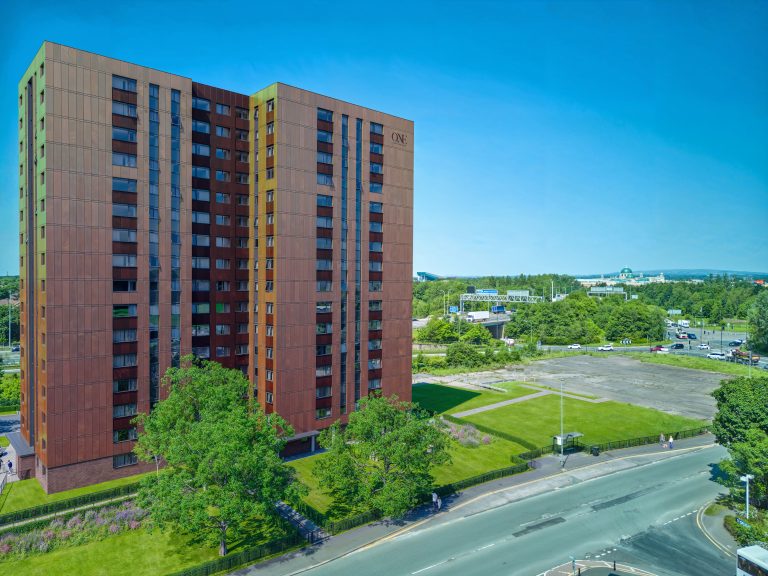
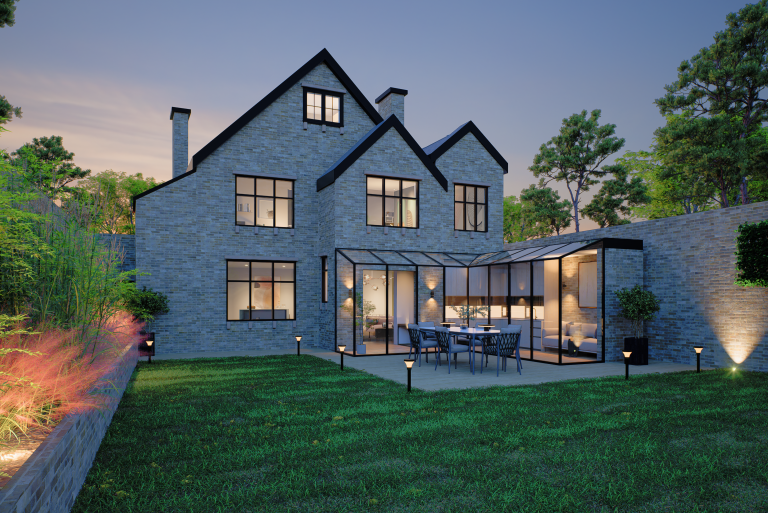
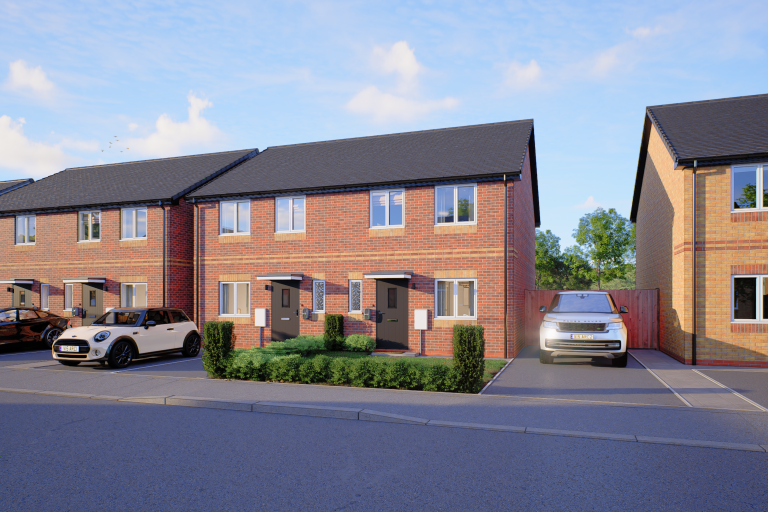
It’s important to check that your architect has worked on projects similar to yours. Relevant experience ensures they understand local planning requirements, building challenges, and practical construction methods. Muse Architects showcase a portfolio of residential, development, and heritage projects, demonstrating their experience across different scales and complexities. You can view examples on their project case studies page.

Check Qualifications and Professional Status
In the UK, it’s important to work with architects who are properly qualified. Look for professionals who are:
- Registered with the Architects Registration Board (ARB)
- Members of the Royal Institute of British Architects (RIBA)
Being registered and chartered means they meet national professional standards, follow ethical guidelines, and are accountable for their work. Muse Architects are both RIBA Chartered and ARB registered, giving clients confidence that their project is in safe, professional hands. You can learn more about RIBA Chartered practices and what it means for clients.
Ask for Portfolio and Case Studies
A strong portfolio shows more than pretty pictures — it demonstrates the architect’s ability to solve problems and deliver results. Look for:
- A variety of design styles
- Attention to detail in drawings and finishes
- Completed projects with outcomes
- Clear before-and-after examples
Muse Architects provide detailed case studies highlighting challenges, design decisions, and the results achieved, so clients can see both creativity and practical delivery. You can explore their project case studies for real examples.
What Questions to Ask an Architect
Before committing, ask questions to make sure the architect is a good fit:
- Have you done similar projects before?
- How do you approach planning permission?
- Who will manage my project day-to-day?
- How do you charge and what’s included?
- Can you work within my budget and timeline?
The right answers should be clear, show good communication, and demonstrate confidence without over-promising. Muse Architects welcome these questions and provide honest, transparent answers based on years of experience.
Understanding Design Style
Every architect has a personal style, but a strong architect adapts to your needs rather than imposing one look. Ask to see examples that match your taste, whether you prefer:
- Modern or minimalist designs
- Traditional or contextual styles
- Sustainable, eco-friendly approaches
Muse Architects combine creative flair with practicality, tailoring each project to the client’s vision while ensuring the design is functional and buildable.
Planning Experience Matters
Planning permission is often the biggest hurdle in UK projects. Architects with experience in local policies, pre-application strategy, and neighbour engagement are more likely to secure approvals smoothly and quickly. Muse Architects specialise in planning-led design and know how to reduce risk, handle council consultations, and improve chances of approval. Learn more about planning services.
Communication Is Key
Good communication keeps projects on track. When assessing an architect, consider:
- Do they listen carefully to your priorities?
- Can they explain complex processes in simple terms?
- Are they clear about timelines?
- Do they respond promptly to questions?
Consistent, transparent communication avoids delays and misunderstandings. Muse Architects make communication a priority, keeping clients informed at every stage — from concept to completion.

Understand Their Fee Structure
Architects can charge in different ways, including:
- Fixed fees for the whole project
- Hourly rates for specific work
- A percentage of the total build cost
It’s important to understand exactly what’s included and excluded, when payments are due, and any extra costs such as consultants or models. Muse Architects provide clear, written fee proposals, so clients never face unexpected surprises. You can learn more about typical architect fees in the UK for context.
Collaboration With Other Professionals
Successful projects involve more than just the architect. A good architect works closely with:
- Engineers
- Surveyors
- Planners
- Contractors
Ask whether your architect has reliable contacts and experience coordinating teams. Muse Architects manage consultants effectively, keeping your project joined-up, efficient, and on schedule.
Project Management and Site Visits
Not all architects stay involved after drawings are complete. Important questions to ask include:
- Will they visit the site during construction?
- How often?
- Who checks the contractor’s work?
- How are unexpected issues handled?
Muse Architects provide ongoing support, including site coordination, ensuring the project is delivered to design intent and quality standards.
Trust Your Instincts
After reviewing experience, communication, and fees, trust your gut. Ask yourself:
- Do I feel confident with this architect?
- Do I feel understood and heard?
- Will I enjoy working with them over the months of the project?
The working relationship matters because you’ll collaborate closely throughout the process. Muse Architects focus on building trust through clear dialogue and commitment.
Common Mistakes to Avoid
Choosing the wrong architect can lead to delays, extra costs, or poor outcomes. Watch out for architects who:
- Don’t listen to your goals
- Are vague about fees
- Lack relevant experience
- Avoid planning strategy
- Respond slowly to queries
Muse Architects help clients avoid these pitfalls by setting clear expectations and guiding them through each stage of the project.
The Benefits of a Planning‑Led Architect
Projects run smoother when planning requirements are considered from the start. A planning-led architect:
- Designs with approval in mind
- Anticipates potential issues early
- Works proactively with planning officers
- Reduces back-and-forth with councils
Muse Architects emphasise planning-led design to minimise risk and maximise the chances of approval. You can see more about their planning support services.
Why Choose Muse Architects
From start to finish, Muse Architects support clients by:
- Understanding project goals
- Preparing strong, compliant designs
- Managing planning and building regulation processes
- Coordinating consultants
- Supporting construction phases
Their approach is practical, transparent, and focused on real results. Whether you’re a homeowner or a developer, Muse Architects provide both design and delivery support, ensuring your project runs smoothly and achieves its full potential.
FAQs
Q1: Do I need an architect for a small project?
Not legally, but highly recommended — it improves outcomes and reduces mistakes.
Q2: How early should I involve an architect?
As early as possible — even before purchasing a site.
Q3: Can an architect help with planning permission?
Yes, that’s one of their core skills.
Q4: How are architects paid?
It varies — fixed fees, hourly rates or percentage of build cost.
Q5: What if I don’t like the design?
Good architects will revise designs until it meets your brief and budget.
Conclusion
Choosing the right architect is more than picking someone who draws nice buildings — it’s about finding a partner who understands your goals, navigates UK planning and construction rules, and helps bring your vision to life.
The right architect will:
- Save you time
- Reduce risk
- Improve design quality
- Help secure planning approval
- Support you from idea to completion
Muse Architects combine experience, communication and strategic thinking to make every project smoother and more successful.