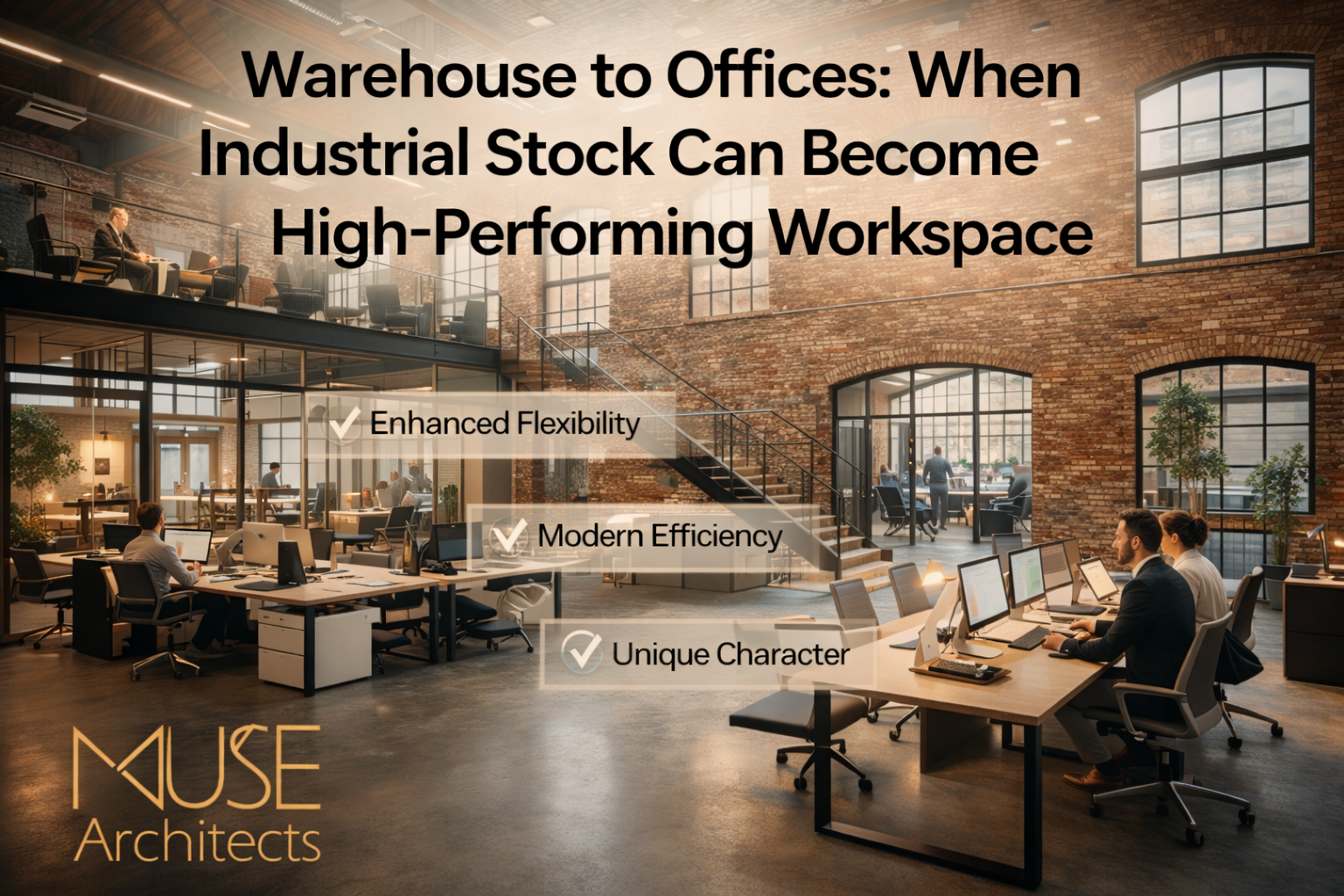
Warehouse to Offices: When Industrial Stock Can Become High-Performing Workspace
Warehouse to office conversion is no longer an experimental strategy—it is becoming a practical way to reposition underperforming industrial assets into valuable, income-generating workspace.
Across the UK, many secondary industrial buildings sit in an awkward position. They are no longer competitive for logistics or storage, yet they are not being fully utilised. At the same time, demand for flexible, character-led workspace continues to grow.
This gap creates a clear opportunity.
However, the success of a warehouse to office conversion is not defined by planning approval alone. It depends on whether the building can deliver a space that occupiers actively choose.
That is where many schemes fail.
At Muse, this is tested early. Both the planning pathway and occupier experience are assessed together—ensuring that a building is not only convertible, but commercially viable and operationally effective.
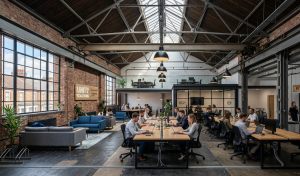
Why Warehouse to Office Conversion Creates Value in 2026
The UK workspace market has evolved significantly.
Occupiers are moving away from traditional office formats and towards spaces that offer flexibility, identity, and usability. Industrial buildings, when adapted correctly, can meet this demand.
A well-executed warehouse to office conversion can increase rental value, attract a broader range of occupiers, improve occupancy rates, and enhance long-term asset performance.
In many cases, this repositioning unlocks more value than retaining the building in its original industrial use—particularly where demand for that use has weakened.
This shift is closely linked to how investors approach asset repositioning more broadly. If you are exploring this further, our guide on property investment strategies in the UK explains how different asset classes can be evaluated and repositioned effectively
[Internal Link: /property-investment-strategies]
What Makes an Industrial Building Suitable for Office Conversion
Not all warehouses have the potential to become successful workspace.
A strong industrial to office conversion typically relies on a combination of physical and locational factors.
Buildings that perform well often have good natural light potential, a visible or improvable frontage, accessible location, adequate parking, and sufficient service capacity.
These elements influence not only design, but also how the building is perceived in the market.
A building with strong fundamentals can be transformed into a desirable workspace asset.
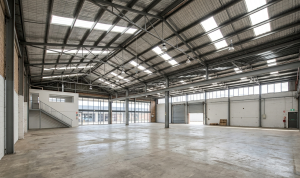
What Limits Warehouse to Office Conversion Success
While some buildings present strong opportunities, others face clear constraints that reduce viability.
Common limitations include poor daylight, weak identity, outdated services, inefficient access, and unattractive surroundings.
These factors directly affect occupier demand.
Even if planning approval is achieved, a building that does not offer a comfortable and functional environment will struggle to perform commercially.
Understanding Warehouse Change of Use to Office (UK 2026)
Planning Pathways and Change of Use
A warehouse to office conversion generally requires a change of use application depending on the existing use class.
Planning applications are typically submitted through the Planning Portal
Local authorities assess whether the building is suitable for office use alongside the change of use itself.
In more complex or disputed cases, decisions may be reviewed by the Planning Inspectorate.
Why Planning Alone Is Not Enough
Planning approval is only one part of the process.
Authorities increasingly consider factors such as daylight, internal quality, access, and impact on surrounding uses.
Because these elements are central to decision-making, it is important to understand how planning frameworks operate in practice. Our UK planning permission guide provides a detailed breakdown of this process.
Design as Commercial Problem-Solving
A successful warehouse to office conversion is not simply about transforming appearance—it is about solving a commercial challenge.
Occupiers choose space based on experience, not just specification.
Design must address how the building is perceived, accessed, and used internally.
Improving frontage, introducing identity, and enhancing internal quality can significantly change how a building performs in the market.
Frontage, Identity, and First Impressions
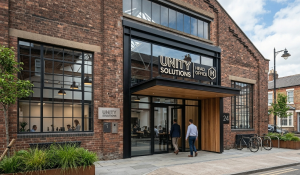
The external appearance of a building plays a major role in occupier decision-making.
Industrial buildings often lack identity or visual appeal. Through targeted interventions, this can be improved.
Reconfigured entrances, upgraded façades, and clear signage can transform perception.
A strong frontage signals quality and usability, helping attract occupiers who might otherwise overlook the building.
Layout, Amenities, and Workspace Experience
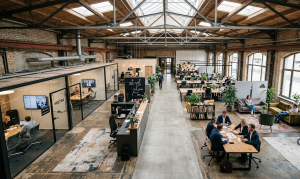
A high-performing workspace is defined by how well it supports daily use.
Internal layout should allow flexibility for different occupiers, while amenities such as meeting areas and breakout spaces enhance experience.
Parking and access must also be convenient and clearly organised.
These factors combine to create a workspace that is functional, attractive, and commercially competitive.
Services, Comfort, and Building Performance
Building services play a critical role in conversion success.
Heating, insulation, ventilation, and power capacity must meet modern expectations.
Poor environmental performance can reduce comfort and increase operating costs, making the space less attractive to occupiers.
Upgrading services is often essential to achieving a successful conversion.
Common Mistakes in Warehouse to Office Conversion
Mistakes That Reduce Occupier Demand
Many projects lose value because they focus on planning or design without addressing occupier needs.
Common mistakes include ignoring daylight limitations, failing to improve identity, underestimating services, and overlooking access issues.
These problems reduce demand and weaken long-term performance.
Successful schemes address these fundamentals early in the process.
UK Trends Driving Workspace Conversion (2026)
Key Market Shifts
Demand for flexible and hybrid workspace continues to grow across the UK.
Occupiers are seeking environments that offer character, adaptability, and quality.
At the same time, some industrial buildings are becoming less viable for their original use.
This creates opportunities for warehouse to office conversion, particularly where demand for workspace is strong.
How to Assess a Warehouse for Office Conversion
A Practical Feasibility Checklist
Before proceeding, key questions should be answered:
Does the building provide sufficient natural light?
Is the location attractive to occupiers?
Can frontage and identity be improved?
Is access and parking practical?
Are services adequate?
Will planning support the change of use?
These factors determine whether the project will succeed commercially.
How Muse Helps You Unlock Workspace Potential
A Structured, Feasibility-Led Approach
Muse works with landlords, investors, and occupiers to assess whether a warehouse to office conversion is viable before commitments are made.
This includes planning analysis, building review, identity strategy, occupier experience design, and commercial testing.
Why This Approach Delivers Better Outcomes
By combining architecture, planning, and commercial insight, Muse ensures that conversions are both deliverable and desirable.
This reduces risk, improves decision-making, and enhances long-term asset performance.
If you are exploring residential-led opportunities alongside workspace strategies, our HMO planning guide in the UK provides useful insight into alternative planning routes.
For a broader perspective on repositioning assets, our property investment strategies guide outlines how different commercial approaches can unlock value.
If you want tailored advice on a specific building, you can contact our team directly here. Contact us
Conclusion: Turning Industrial Buildings Into Valuable Workspace
Warehouse to office conversion is a powerful strategy—but only when applied selectively and strategically.
Success depends on aligning planning, building form, and occupier expectations.
When these factors come together, industrial buildings can be transformed into high-performing workspace assets that deliver long-term value.
Call to Action
Before committing to a warehouse to office conversion, it is critical to understand whether the building can realistically deliver high-performing workspace.
Send us your unit location, layout, and details—we will assess whether it can become high-performing workspace or identify a stronger alternative use before you commit time or capital.
Frequently Asked Questions About Warehouse to Office Conversion
Can any warehouse be converted into an office?
No. Not all warehouses are suitable for office conversion. Factors such as natural light, layout, access, and building services determine whether a conversion is viable.
Is planning permission required for warehouse to office conversion in the UK?
In most cases, yes. A change of use application is typically required, depending on the existing use class and local planning policy.
What makes a warehouse suitable for office conversion?
Key factors include good natural light, strong frontage, accessible location, sufficient parking, and adequate building services such as heating and ventilation.
What are the biggest challenges in industrial to office conversion?
Common challenges include limited daylight, poor insulation, weak building identity, and inefficient access or circulation.
Is warehouse to office conversion profitable?
It can be highly profitable when the building supports occupier demand and is positioned correctly. However, poor building fundamentals can reduce viability and returns.
How do I know if my industrial building is suitable for workspace?
A professional feasibility assessment is essential. This should review planning, building constraints, layout efficiency, and occupier demand.