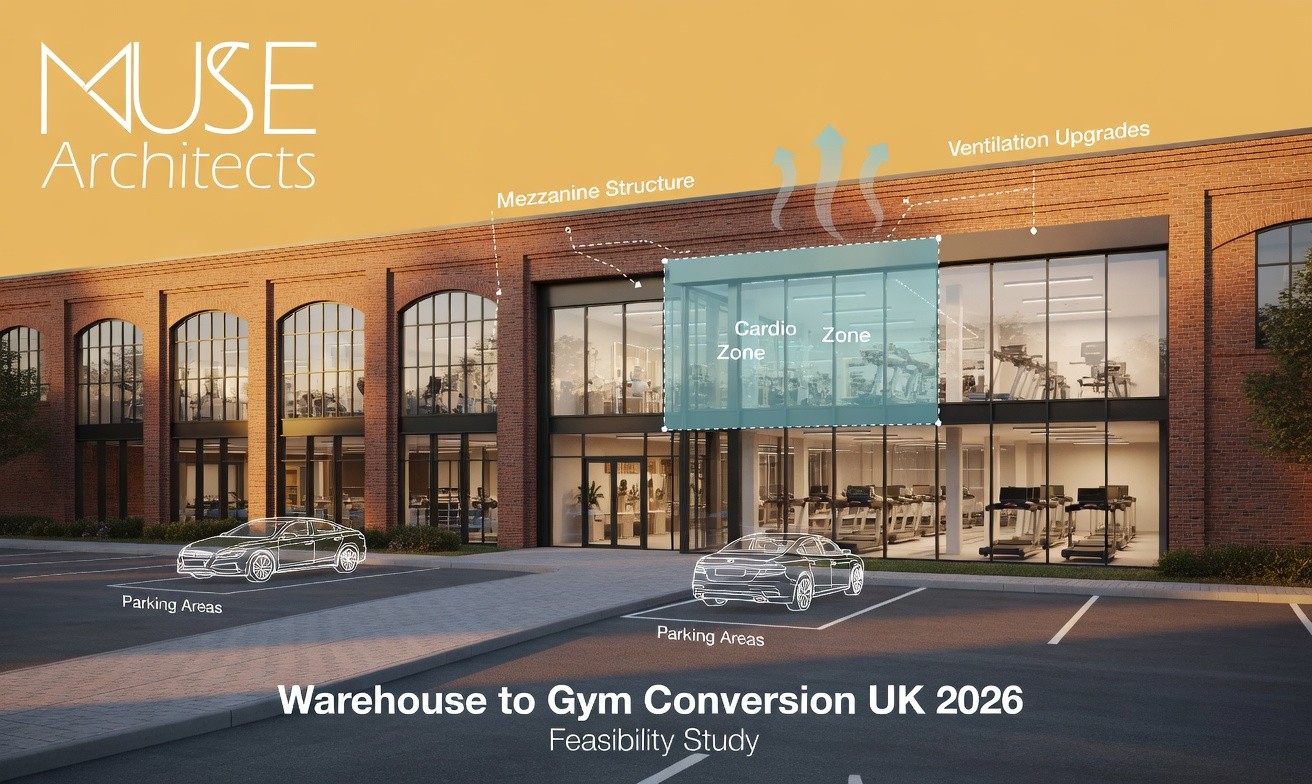
Warehouse to Gym Conversion UK: Unlock Hidden Value in 2026
Warehouses are no longer just storage units. In 2026, they have become some of the most adaptable commercial buildings in the UK, providing opportunities far beyond simple logistics. With growing demand for flexible, high-value spaces, converting warehouses into gyms and fitness centres is one of the most promising avenues for landlords, investors, and operators.
However, it’s not as simple as picking a warehouse and opening a gym. Many owners make assumptions about their building’s potential without understanding the practical and planning realities. The result can be wasted investment, long leases at below-market rents, or a gym that struggles to attract members.
This guide explores everything you need to know about warehouse-to-gym conversions in the UK, including the factors that determine feasibility, planning requirements, design considerations, and real-world examples. By the end, you’ll have a clear roadmap to assess whether your warehouse could be transformed into a thriving fitness centre.
Learn more about Muse Architects’ change of use services.
Why Warehouses Are Ideal for Gyms
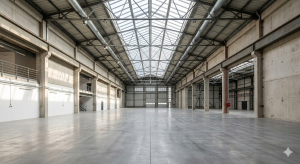
Modern gyms require large, flexible spaces that can accommodate a range of equipment and activities. Warehouses are uniquely suited to this for several reasons.
First, their open floor plans allow operators to create distinct zones for cardio, weight training, group classes, and wellness areas without structural limitations. Unlike traditional retail or office spaces, which may have load-bearing walls or restricted layouts, warehouses can often be easily adapted to suit a gym’s operational needs.
Second, high ceilings are invaluable. They allow for mezzanine levels, climbing walls, functional training rigs, and tall cardio machines. Ceiling height also helps maintain a sense of spaciousness, improving the user experience and making the gym feel less crowded even during peak hours.
Warehouses also typically provide flexible layouts that can be divided into reception areas, member lounges, changing rooms, and studio spaces without major structural interventions. And with good access and parking, they can serve as convenient hubs for members who drive or rely on public transport.
Finally, warehouse locations often benefit from visibility on main roads or within industrial estates. This helps attract new members and makes the gym easier to find — a crucial factor in a competitive market.
Factors That Determine Warehouse-to-Gym Success
Transforming a warehouse into a gym requires more than enthusiasm. There are several practical, legal, and market-driven factors to consider.
Location and Accessibility
Location is one of the most critical factors in gym success. Even a beautifully designed gym can fail if it’s inaccessible or poorly located. Ideally, a warehouse should be near urban centres or along main roads with good footfall or drive-by visibility. Accessibility by car is essential, but proximity to public transport is a strong plus.
It’s also important to study local demographics and competition. A densely populated area with a high number of fitness enthusiasts will support a new gym, while a location with limited demand or oversaturated market conditions may not. Tools such as UK Planning Portal can provide insight into local zoning and planning regulations, helping you understand what uses are permitted.
Parking and External Space
Ample parking is a non-negotiable requirement for gyms, especially in suburban or semi-industrial areas where most members drive. External space can also serve as an outdoor training area, bootcamp setup, or social space, adding versatility to your gym offering. Warehouses with large yards provide flexibility for member and staff parking, deliveries, and potential expansion.
A planning feasibility review is highly recommended to assess whether your external areas are suitable for your intended use. Muse Architects Planning Feasibility helps identify opportunities and limitations before committing to a project.
Internal Layout and Structure
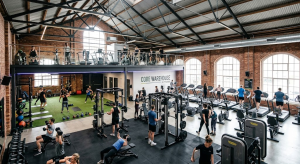
Not all warehouse interiors are fit for gym purposes. It’s important to check the following:
- Floor loading: The floor must support heavy gym equipment, weightlifting areas, and high foot traffic from members. Structural reinforcements may be necessary for mezzanine levels.
- Ventilation and HVAC: Fitness centres generate heat and humidity, so proper climate control is essential. Many warehouses lack adequate ventilation or cooling, requiring upgrades to meet modern gym standards.
- Acoustic control: Gyms can produce significant noise from music, weights, and classes. Acoustic measures are important to prevent complaints from neighbours or local authorities.
- Changing and shower facilities: Modern gyms require well-equipped changing rooms and showers, meeting current standards for hygiene and accessibility.
A carefully considered internal design ensures that the gym is functional, safe, and attractive to members. Poor planning can lead to operational challenges and a subpar user experience.
Noise and Local Context
Noise is a common concern when converting warehouses to gyms. Industrial zones are generally tolerant, but residential areas may have strict regulations. Early consultation with planners and neighbours can help mitigate potential conflicts and avoid costly redesigns.
The surrounding context also affects what type of gym can succeed. For example, a warehouse in a mixed-use area may be suited to a boutique fitness studio, while a facility in a heavy industrial zone could support a full-service gym with multiple classes and weight zones.
Muse Architects evaluates surrounding areas carefully to identify limitations and opportunities, ensuring that your project is feasible and aligned with local planning expectations.
Power, Lighting, and Comfort
Modern gyms demand reliable power for lighting, HVAC systems, cardio machines, and electronic check-in systems. Many warehouses require upgrades to their electrical infrastructure to accommodate these needs.
Lighting is equally important. Bright, energy-efficient lighting creates a welcoming atmosphere, enhances safety, and can even influence member behaviour. Ventilation and climate control are also crucial to maintain comfort, prevent condensation, and support hygiene standards.
Planning and Legal Considerations
Planning permission is often the biggest hurdle in a warehouse-to-gym conversion. Unlike office-to-residential projects, gyms rarely fall under permitted development rights. Local planning authorities evaluate:
- Traffic impact
- Noise levels
- Compatibility with surrounding uses
- Protection of employment land
It’s essential to research these aspects early. UK Guidance on When Permission is Required provides a starting point, but a professional feasibility review is invaluable.
Identifying a Gym-Ready Warehouse
Certain indicators can help determine whether a warehouse is suitable for gym conversion:
- Open floor space with high ceilings
- Good visibility and road access
- Adequate parking and external areas
- Located in an industrial or mixed-use zone
- Local demand for fitness services
When these elements align, the warehouse has strong potential to generate rental income and long-term value.
Conversely, warehouses with low ceilings, hidden locations, limited external space, or nearby residential restrictions may struggle to succeed as gyms. Forcing a conversion in these cases often leads to financial loss.
How Early Strategy Saves Money

A common mistake is committing to a lease or fit-out before testing feasibility. Many owners start projects based on assumptions rather than evidence, resulting in wasted investment.
Muse Architects mitigates this risk with a red-amber-green assessment:
- Green: Strong opportunity – ready for conversion
- Amber: Possible with adjustments – modifications or permissions required
- Red: Avoid – low likelihood of success
This approach ensures that decisions are informed by planning, design, and market realities, saving clients time and money.
Real-World Examples
One warehouse was nearly leased solely for storage. After a feasibility review, it was repositioned as a gym with mezzanine areas, upgraded ventilation, and ample parking. The result:
- Higher rental income
- Increased tenant demand
- Improved long-term asset value
For more case studies, see Muse Architects Project Examples.
FAQs
Can a warehouse be converted into a gym?
Yes, but success depends on internal layout, access, planning permission, and local demand.
Do I need planning permission?
Almost always. Warehouse-to-gym conversions rarely fall under permitted development rights.
What is the best layout?
Open, high-ceilinged spaces with flexible zones for cardio, weights, and group classes.
Is location important?
Absolutely. Accessibility, visibility, and local demographics are among the biggest factors for success.
Conclusion
Warehouse-to-gym conversions represent one of the most attractive change-of-use opportunities in the UK commercial property market. With thoughtful planning, practical design, and early feasibility checks, warehouses can be transformed into thriving fitness centres that deliver long-term value.

Before signing leases or investing in fit-outs, evaluate your warehouse carefully. Understand its potential, plan strategically, and explore expert guidance. Contact Muse Architects today to unlock your building’s real potential.