
Architecture and The New Norm Post-COVID 19
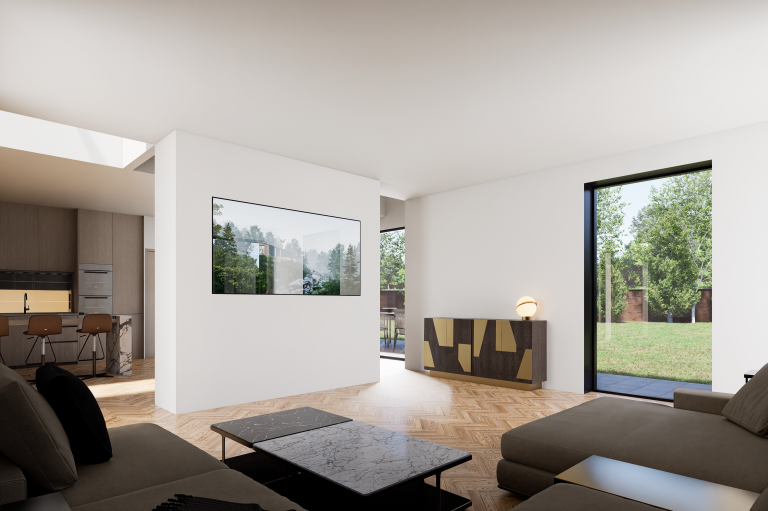
Architecture After COVID‑19: UK Guide 2026 Introduction COVID‑19 changed the way we live, work and interact with buildings. What used to be normal — close‑packed offices, narrow hallways, shared facilities — suddenly didn’t feel right anymore. In 2026 the effects are still shaping architecture. People want spaces that feel safe, comfortable and adaptive to current health needs and future uncertainties. This guide from Muse Architects explains how architecture is adapting post‑COVID‑19 — the lessons learned, new design priorities, and what clients should expect when designing buildings today. How COVID‑19 Changed Architecture Thinking The pandemic changed how we think about buildings. It pushed architects and designers to focus more on how spaces support health, movement, and human connection. Today, design needs to consider: Public health and safety Flexible use of space Better ventilation Access to nature Reduced touchpoints Overall user comfort Post-COVID architecture isn’t about fear — it’s about creating spaces that feel healthier, safer, and more comfortable to use every day. Muse Architects apply these principles to design spaces that work better for people, whether at home, work, or in the community. For more on healthy building design, you can explore guidance from World Health Organization: www.who.int/health-topics/healthy-environments You can also read our internal insights on modern design thinking: Musearchitects.co.uk/architecture-post-covid-19 Health-Focused Design Is Now Standard Before COVID-19, health and architecture were often treated as separate ideas. Now, they are closely linked. Good design today considers how spaces support everyday wellbeing, including: Fresh air circulation Easy-to-clean and durable materials Layouts that allow comfortable spacing Smooth and logical movement through spaces This approach is not limited to healthcare buildings. Homes, offices, and public spaces all benefit from healthier design. Muse Architects focus on creating spaces that support wellbeing as much as visual appeal. Natural Ventilation and Air Quality Ventilation has become one of the most important aspects of modern design. Clean air improves both health and comfort. Post-COVID design often includes: Larger windows for airflow Cross-ventilation between spaces Mechanical ventilation and air filtration systems Strong connections to outdoor areas Spaces with better airflow help reduce airborne risks and simply feel more pleasant to be in. Muse Architects carefully study how air moves through each building to create a balance between comfort, efficiency, and performance. Flexibility Is a Key Design Trend Modern buildings need to adapt. The way we use space can change quickly, so design needs to keep up. Flexible design includes: Rooms that can serve different purposes Movable partitions Adaptable furniture Multi-use spaces This flexibility helps buildings stay useful over time — whether for working, relaxing, or socialising. Muse Architects design layouts that can evolve with changing needs, making spaces more practical and future-ready. The Importance of Outdoor Connection After lockdowns, people started valuing outdoor space much more than before. Having access to fresh air and nature is no longer a luxury — it’s something people expect in both homes and workplaces. Features like balconies, terraces, courtyards, gardens, and even green roofs have become essential parts of design. These spaces help reduce stress, improve mood, and encourage people to stay active. They also make buildings feel more open and comfortable. Muse Architects focus on creating strong indoor-outdoor connections so people can enjoy natural light, fresh air, and greenery as part of everyday life. You can explore more about nature and wellbeing from World Health Organization: Www.who.int/news-room/fact-sheets/detail/healthy-environments Rethinking Offices After COVID-19 Offices have changed more than almost any other space. With remote and hybrid working now common, the role of the office is no longer just about desks and meeting rooms. Modern workplaces are designed to support collaboration when teams come together, while also offering quiet areas for focused work. Layouts are more flexible, allowing businesses to adjust how space is used over time. Better air quality, improved circulation, and dedicated wellness areas are also becoming standard. The office of today is built around people, not just productivity. Muse Architects help businesses design workplaces that match modern working styles while supporting employee wellbeing and comfort. You can also read more here: https://musearchitects.co.uk/architects-for-property-developers/ Residential Buildings — More Human-Centred Homes Homes have also gone through a big shift. People now expect spaces that can support multiple parts of daily life — working, relaxing, and spending time with family. This means having dedicated work areas, quiet corners for privacy, and easy access to outdoor space. Good ventilation and clear separation between different functions in the home are also important. A well-designed home today feels calm, flexible, and easy to live in. Muse Architects work closely with homeowners to redesign or extend properties so they better fit modern lifestyles. You can explore related ideas here: Musearchitects.co.uk Public and Community Spaces Public buildings like libraries, community centres, and halls now need to feel open, safe, and welcoming. Design has shifted towards wider circulation paths, more open layouts, and flexible seating arrangements that can adapt to different uses. Access to outdoor space and clear visibility across spaces also helps people feel more comfortable and secure. Muse Architects design community spaces that are inclusive and easy to use, helping bring people together in a safe and positive way. Retail and Hospitality Design Post-COVID Shops, restaurants, and cafes have had to rethink how people move through spaces. Good design now focuses on smooth circulation, enough space for queues, and layouts that avoid crowding. Ventilation plays a big role, along with clear wayfinding so customers can move around easily. Outdoor dining and seating areas have also become much more popular. Muse Architects create layouts that improve both customer experience and overall comfort, helping businesses adapt to new expectations. Touchless Technology and Smart Buildings Technology is now a key part of modern design. Touchless features like automatic doors, motion-controlled lighting, and sensor-based taps help reduce contact points and improve hygiene. Smart systems can also monitor air quality, track occupancy, and adjust building performance in real time. These features not only support health but also make spaces more efficient and easier to manage. Muse Architects integrate technology where it adds real value, keeping