Muse Architects

architects role in property develepment

The Architect’s Role in Property Development

Navigating the Architect’s Role in Property Development: A Guide to Client Understanding A property developer acknowledges that success hinges significantly on collaborating with a skilled architect. In this symbiotic relationship, an architect’s responsibilities extend beyond merely designing buildings. The architect’s role encompasses various tasks, including collating designs from multiple consultants, facilitating the planning process, and overseeing construction activities. When aligned with a developer, the architect becomes an integral part of the project team, contributing to site selection, design and planning, budget management, team selection, and even interior and landscape design. Essentially, the architect is entrusted with adding substantial value to the project by crafting designs that resonate with the target audience and align with the developer’s objectives. Architect’s Planning Role for Developers The architect plays a pivotal role in development planning, initiating projects by crafting meticulous plans and designs. They navigate regulatory compliance, submit planning applications, and engage with local authorities to ensure swift approvals. The architect adapts designs based on feedback, negotiates for project support, and employs visual representations to convey project merits. Collaborating with consultants, they monitor the process, compile comprehensive documentation, and serve as the project’s ambassador, laying the groundwork for successful construction. Team Curation Ensuring that a proficient project team is in place involves hiring experienced civil, geotechnical, and structural engineers. Design Implementation and Construction Oversight Architects are responsible for implementing the approved design and overseeing the construction phase. The Significance of an Architect to a Developer Cost-Effective Realisation: Architects help developers achieve their goals in a cost-effective manner. Project Management Expertise: They contribute to effective project planning, supervision, and management, mitigating risks that could lead to project failure. Timely Delivery: Developers rely on architects for their experience in the building process to ensure projects are delivered on time. Team Assembly Skills: Architects excel in forming a skilled and experienced project team, which is crucial for project success. Understanding Developer Goals: They comprehend the needs and aspirations of developers, translating them into projects that are not only aesthetically pleasing but also aligned with the developer’s vision. Value Addition: Architects consider factors that might be overlooked by developers, consistently striving to enhance the overall value of the project. Regulatory Compliance: Developers require architects to prepare building plans and specifications for submission to local planning authorities, ensuring compliance and securing necessary permissions. Tips for Architects Working with Developers Effective collaboration between architects and developers relies on clear communication and understanding. Here are some valuable tips for architects when working with developers: Clarify Service Expectations: Ensure a clear understanding of the services expected from the architect by the developer. Agree on Fees: Collaboratively decide on a fee structure for the architect’s services. Foster Open Communication: Cultivate an environment of open communication, encouraging developers to ask questions and architects to provide informative answers. Professional Reference Sharing: Provide the developer with a comprehensive list of past projects and clients, establishing professional credibility and references. Architectural Qualification: Membership in the national institute for architects signifies architectural licensure and qualification. Site Familiarity: Visit the project site before initiating the design process, taking note of its current condition. Understand Planning Requirements: Visit local planning authorities or councils to understand planning requirements before initiating the building plan. In Conclusion Working as an architect for a property developer can become a seamless and fruitful experience when expectations are clear and collaboration is fostered. By adhering to the outlined tips and understanding the uniqueness of each project and client, architects can not only excel in their role but also cultivate robust and harmonious professional relationships with developers. The key lies in comprehending and responding to the distinct needs of every project, ensuring that each design reflects the aspirations of the developer and resonates with the targeted audience.
How to Budget for Your Extension or New Build

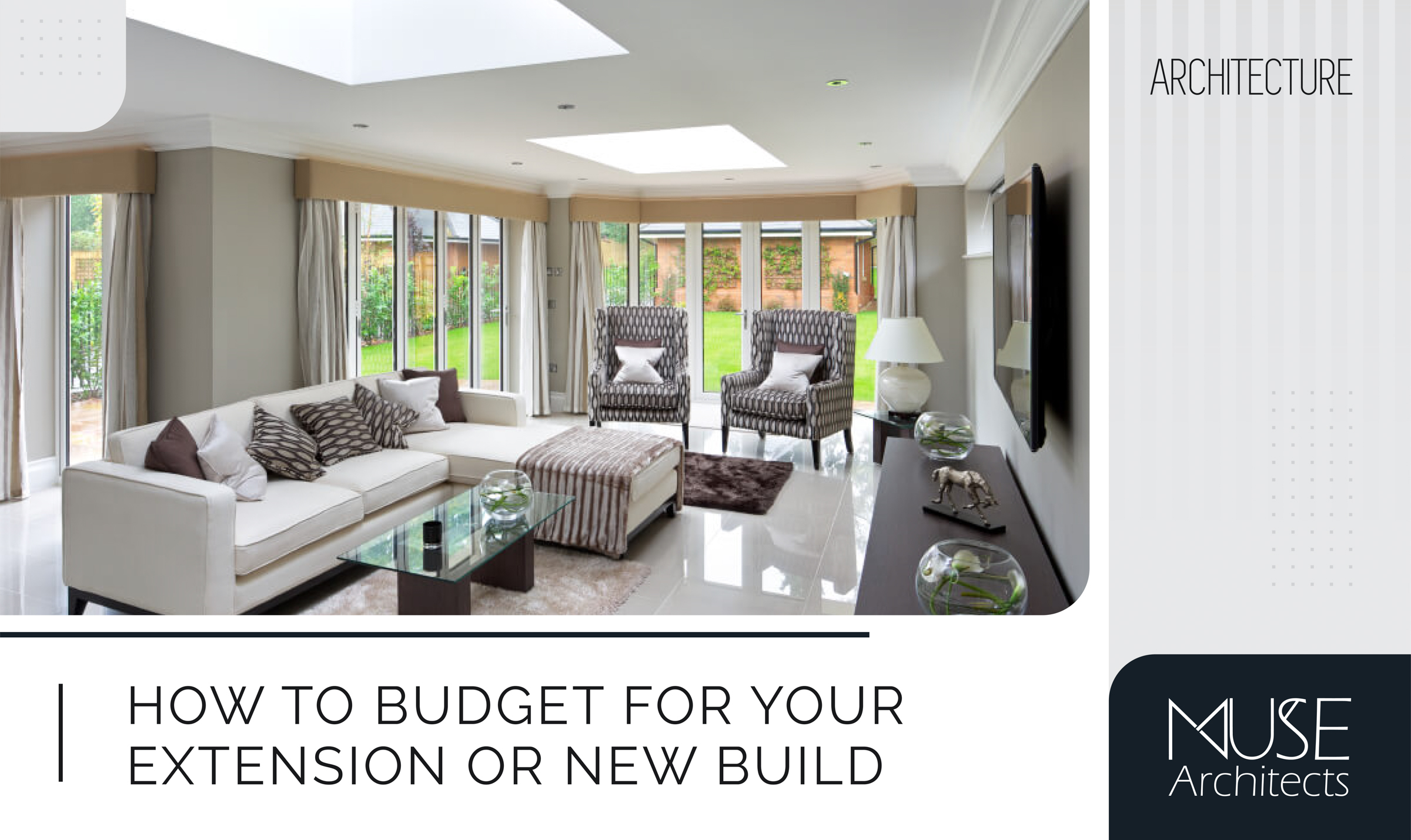
How to Budget for Your Extension or New Build

Creating a Budget-Friendly Extension It is possible to have a budget extension if you plan carefully and utilise innovative designs that will save you costs. Being creative will not only make your extension look beautiful but will also ensure you don’t overspend. To budget effectively for an extension or new build, you must know where to save and when to invest. Below are some cost-effective ways to create a budget extension without spending a fortune. Know What You Want Before planning a budget for your extension, there are certain factors you must consider. Ask a real estate agent if the extension you plan to undertake will add extra value to your property. Typically, the larger the extension, the more value it adds; however, this also means higher costs for you. If you’re looking for a cost-effective option, a small extension may be your best bet. Decide on the size of the extension you want before proceeding. Additionally, consider whether converting existing space into a habitable area would be cheaper than building an extension. The primary reason for building an extension is to gain extra space for use. If you can convert an existing area into a usable space at a lower cost, there may be no need for a more expensive extension. Use Simple but Durable Building Materials Using simple materials for your extension can be a cost-effective approach. Not only will this help keep costs down, but durable materials will ensure that your extension lasts longer. Simple building materials and fittings are often easier to install and cheaper to procure. Purchase Only Standard Interior Furniture and Decorations Opting for ready-made windows and doors isn’t always the best choice, as they may not meet your desired standards. Choosing standard interior furniture and decorations will save you time on unnecessary replacements and significant money in the long run. Don’t Be Deceived by Expensive Brands Choosing expensive brands does not guarantee the best quality products or value for your money. Affordable brands or local DIY stores can provide quality items without the high price tag. Ways to Prevent Wastage in Building an Extension Preventing wastage is another excellent way to build a budget extension. Here are some strategies to help you save costs when planning your extension: If you’re creating a kitchen extension, consider reusing furniture and items from your existing kitchen. If you can’t reuse items, sell them to save space and generate extra cash. When buying building materials like roof tiles and bricks, consider sourcing from individual sellers online or from a reclamation yard. This can allow you to find quality products at significantly lower prices. Stick to your original plan for the extension, including size, location, and materials. This will help prevent additional costs that may arise from deviating from your initial plans. Comply with building regulations to avoid costly corrections to an already built extension. When hiring professionals such as architects, surveyors, or engineers for your budget extension, inquire about their services and the total fees involved. Conclusion Achieving a budget extension is quite feasible if you plan carefully and apply the insights from this guide. With thoughtful consideration and creativity, you can create a space that enhances your home without breaking the bank.

Home Extensions

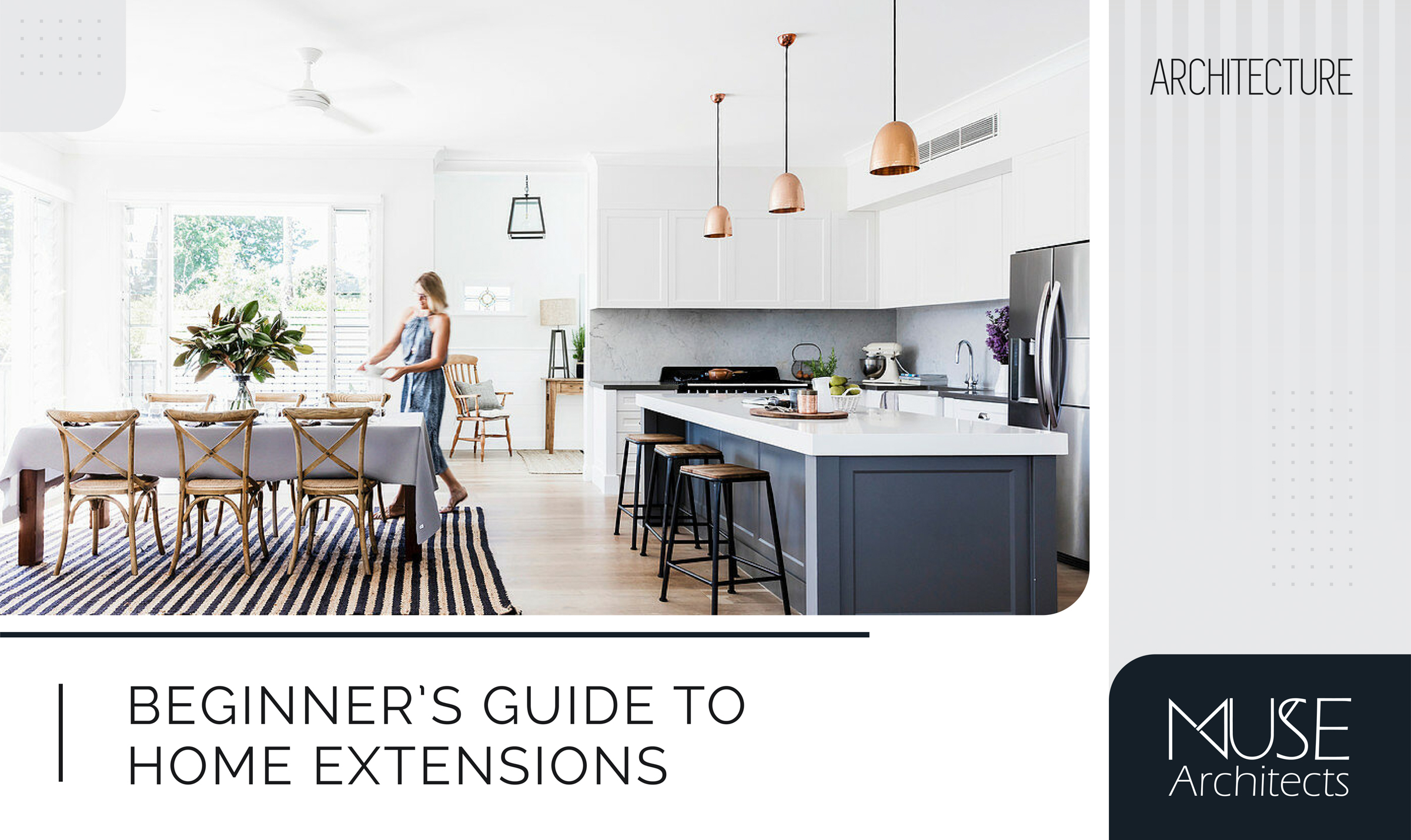
Beginner’s Guide to Home Extensions

A Guide to Building a Home Extension Do you want to build a home extension but don’t know how to start? This guide is for you. The cost of building a home extension depends on the size of the extension and your specific needs. Additionally, there are several aspects involved in constructing home extensions that you should be aware of. How Much Does Building an Extension Cost? The financial requirements for building a home extension largely depend on various factors, such as your location, the size of the extension, the number of storeys, and your design preferences. For a typical home extension, you should budget approximately £1,000 to £2,000 per square metre. If you’re considering a single-storey extension, the costs will generally be as follows: Basic quality: £1,000 to £1,680 Good quality: £1,680 to £1,920 Excellent quality: £1,920 to £2,160 While a two-storey extension may not be significantly more expensive, it will require more extensive work. How to Build a Cost-Effective Home Extension To create a cost-effective home extension, ensure that the design and shape are simple, as these are often cheaper than more complex designs. Additionally, choose an affordable construction method and building materials. How to Build a Home Extension Without Planning Permission You can build a home extension without planning permission if it falls under Permitted Development (PD), meaning you won’t need to undergo the application process. However, if your home is in a National Park or a Conservation Area, the scope of work under Permitted Development may be limited. Under PD rights, specific works can be done without planning permission if you meet certain criteria, such as: You can extend your detached home by up to 8m at the rear for a single-storey extension. A single-storey extension must not exceed 4m in height at the ridge and eaves, and the ridge height cannot be greater than that of the existing home. Two-storey extensions must be at least 7m from the rear boundary. Side extensions can only be a single storey, with a maximum height of 4m and a width of no more than half of the original extension. All new extensions must be built using similar materials and methods as the existing structure. Do You Need a Lawful Development Certificate to Extend Your Home? Even if your project can be carried out under PD rights, you must apply for a Lawful Development Certificate (LDC) from your local authority to confirm the extension’s legality and compliance with PD requirements. This is particularly necessary if you plan to sell the home later. An LDC typically costs £103, which is half the price of a planning permission application fee. What to Consider Before Building a Home Extension There are several factors to consider before embarking on a home extension: The Design If you have a great design idea but don’t know how to sketch it, consider hiring a building and design company or collaborating with an architect. If you’re experienced with CAD, you can create your designs, but for complex ideas, it’s best to consult a professional. Site Access Ensure that deliveries can be made easily to your home during the construction. Plan for how trucks and lorries will access the property and deliver large items. You will also need to decide where workers will park and store their tools. What Building Regulations Do You Need to Follow? Regardless of whether your extension requires planning permission, you must comply with all Building Regulations. You can either submit a Full Plan Submission or a Building Notice to adhere to these regulations. Full Plan Submission Submit a full plan to your local authority building control or a licensed inspector before starting your extension. A local building inspector will visit at various stages to monitor the progress. Building Notice This notice informs the local building authority of your intention to comply with regulations while constructing your extension and provides a 48-hour warning before work begins. Inspectors will review the work at different stages and inform you of any issues. About Muse We are your Residential and Commercial Architects At Muse Architects, we offer a wide range of local architectural services to clients in Manchester and beyond. From building control in Manchester to office design project management, our team of experienced architects has the skills and expertise to handle any project. Whether you’re looking for commercial building architects or residential architects near you, we’re here to help. As local architects, we understand the unique challenges and opportunities of designing buildings in Manchester. We specialise in Manchester residential architect services and work closely with clients to create beautiful, functional spaces. Our 3D property visualisation services, including 3D visualisation for city planning and interior design, are designed to help you bring your vision to life. Contact us today to learn more about how Muse Architects can help you achieve your architectural goals.

Basement Conversion

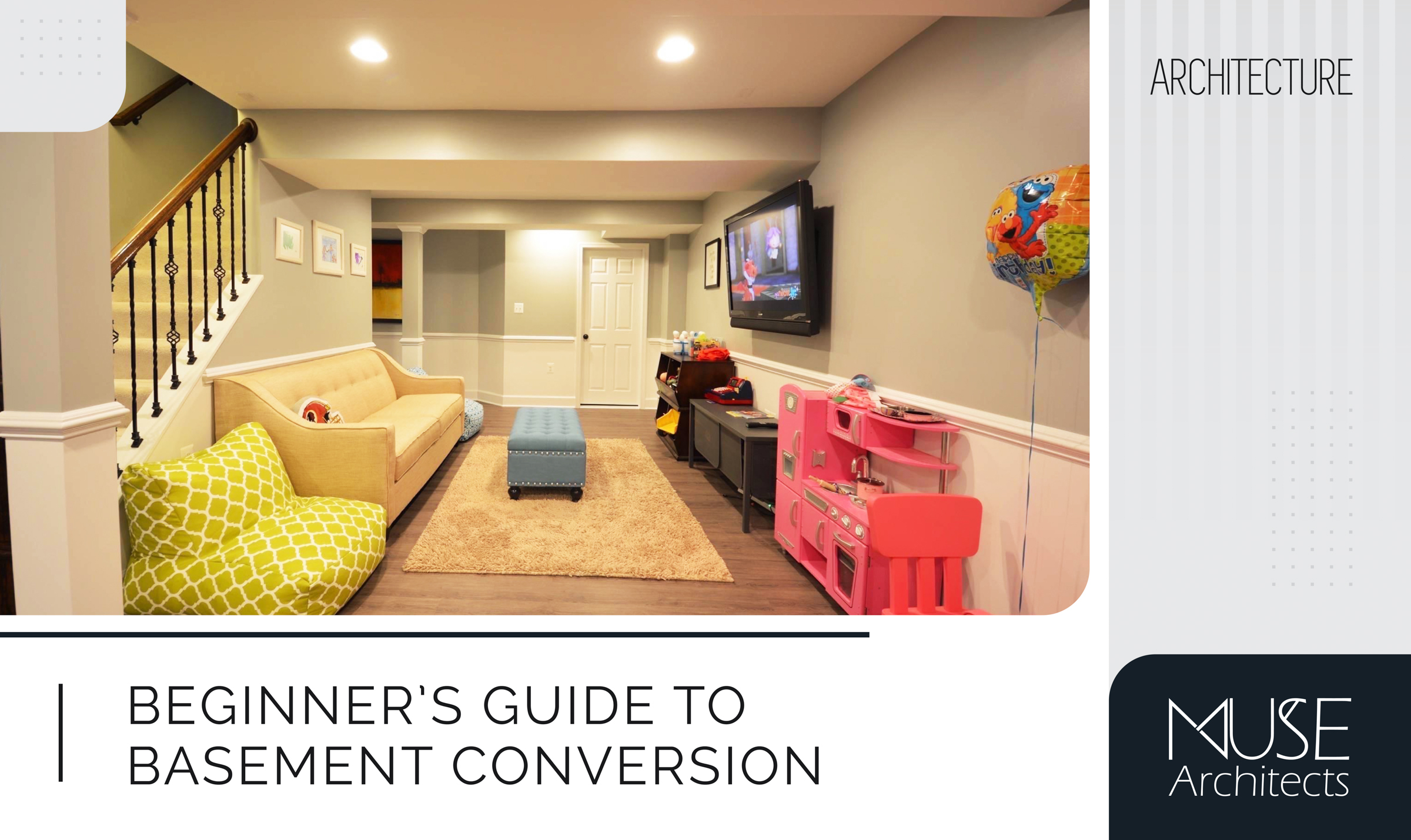
Beginner’s Guide to Basement Conversion

The Ultimate Guide to Basement Conversion Having more space or an extra room has proven to be very useful, which is why basement conversion has become increasingly popular. You can transform an unused basement into a beautiful living space without spending a fortune. However, basement conversion involves several processes, and this guide will cover all of them. How Much Time Does a Basement Conversion Require? The time needed for a basement conversion depends on your requirements and the size of the space you wish to utilise. Converting an existing room in the cellar using a waterproof membrane cavity system typically takes about three weeks, including sump digging and pump installation. However, converting and extending the cellar can take several months. The best time to carry out a basement conversion is during the summer. Planning Permission and Building Regulations Before proceeding with a basement conversion, you need to check with your local authority to determine if planning permission is necessary. 1. Planning Permission for Basements In most cases, planning permission is not required for converting an existing basement or cellar. A simple ‘change of use’ is sufficient. However, if you plan to build a new basement, extend an existing one, or add a light well that alters the exterior appearance of your home, planning permission will be required. 2. Building Regulations for Basements When converting a basement into a living area, you must obtain Building Regulations approval. This ensures that your basement is energy efficient and suitable for habitation. Building Regulations cover aspects such as fire escape routes, heating, ventilation, ceiling height, waterproofing, electrical installations, and water supplies. Basement Conversion Costs You don’t need to spend a fortune to carry out a basement conversion. The costs typically include: Flooring Heating Waterproofing Decorating Lighting Things to Do Before Carrying Out a Basement Conversion Before converting your basement or preparing for waterproofing, consider the following steps: Clear your basement: Remove dirt, dust, and debris. Check the walls: Look for any damage and fill holes or dents before proceeding with the conversion or waterproofing. Heating a Basement To create a comfortable environment in your basement, you must ensure it is adequately heated. Several options are available, depending on your needs and budget: Underfloor heating: This is a popular choice for basement conversions. It is typically installed in screeds over waterproofing membranes, providing even heat distribution across the floor. Radiators: Installing a radiator is another effective heating method. Electric heaters: While plug-in units may not be the most cost-effective option, they can offer a temporary solution. Oil heaters: These are portable and often cheaper than electric heaters. Insulating a Basement Insulating your basement ensures your home is more energy-efficient, helping you save on heating bills while creating a moisture-free, habitable environment. Insulation is usually installed when constructing a new basement rather than retrofitting an old one. Focus primarily on insulating the walls rather than the ceiling. Some affordable insulation options include: Blanket (batt and roll) insulation Foam board insulation Loose-fill insulation Sprayed foam insulation Ventilating a Basement Proper ventilation is essential for converting your basement into a habitable space, allowing fresh air to circulate and reducing humidity. You can achieve ventilation through windows (if available), staircases, fans, vents, and ventilation units. How to Waterproof a Basement To effectively waterproof your basement, you should be familiar with the various waterproofing systems available. The three main types of basement waterproofing systems include: External waterproofing Tanking Cavity drain membranes Conclusion Carrying out a basement conversion can be straightforward and cost-effective if you follow the necessary processes. By utilising the information discussed in this article, you can ensure a smooth and efficient basement conversion.

Eco-Architecture

Beginner’s Guide to Eco-Architecture

Understanding Eco-Architecture Eco-architecture refers to the efficient methods by which buildings and their construction sites utilise water, energy, and other materials while minimising their impact on the environment and individual health. However, eco-architecture encompasses more than just the buildings themselves; it also includes planning, environmental considerations, and land utilisation. The way our environment is developing has affected the natural elements around us. To build, design, construct, and maintain the essential buildings we use in society, many of our natural resources often pay the price. Below are the impacts of eco-architecture in both domestic and commercial contexts. Impact of Eco-Architecture in Commercial Buildings Improves Asset Value and Profits: Eco-friendly designs can enhance the value of commercial properties. Increases Productivity: Occupants in eco-architectural spaces often experience higher productivity levels. Economic Growth: Eco-architecture ensures growth and development in economic performance. Reduces Operational Costs: Efficient energy use leads to lower operational costs. Impact of Eco-Architecture in Domestic Context Protects Ecosystems: Eco-architecture helps preserve and enhance biodiversity. Reduces Waste: It contributes to a decrease in waste streams. Preserves Natural Resources: Eco-architecture aims to conserve and restore natural resources. Improves Air and Water Quality: It enhances the quality of air and water in the environment. Enhances Wellbeing: The comfort and wellbeing of individuals are significantly improved. Reduces Resource Load: It alleviates pressure on local resources. Improves Living Quality: Increases the overall quality of life for all individuals. Enhances Indoor Air Quality: Eco-architecture improves air circulation within buildings. Importance of Eco-Architecture Here are the overall benefits of eco-architecture for both nature and humanity: It Saves Costs While planning a building based on eco-architecture may initially be more expensive than traditional methods, it can prove to be a cost-effective option in the long run. The efficient energy plans associated with eco-architecture can lead to substantial savings on electricity bills, potentially reducing total operational and maintenance costs by one-fifth. When you consider the total savings, the initial investment becomes worthwhile. Regulates Temperature With rising global temperatures, eco-architecture helps regulate the environment’s temperature. Buildings with green roofs tend to remain cooler than conventional structures, benefiting occupants. Additionally, eco-architecture can add moisture to the soil, which is especially useful in hot and dry climates. Energy Efficient Eco-architectural buildings are powered by sustainable energy sources such as sunlight, water, and wind, making them more energy-efficient than traditional buildings. This also contributes to better air quality within the building and its surroundings. Improves Health and Wellbeing Residents of eco-architectural buildings enjoy various health benefits due to reduced pollution and enhanced sustainability. Eco-architecture is believed to positively impact the mental health of its occupants. Eco-Architecture Ideas Here are some innovative eco-architecture ideas you can adopt: Use Heating, Ventilation, and Air Conditioning (HVAC): Instead of traditional heating systems and air conditioning, use HVAC systems to manage energy efficiently, save on electricity costs, and regulate indoor temperature. Examples include smart thermostats and mini-split units. Energy Recovery Ventilator (ERV): Implement an ERV to reuse energy within the building. For instance, an ERV can utilise the heat from exhaust ducts to cool incoming air. LED Lighting: Opt for LED lighting to reduce electricity costs and energy consumption. Although LED bulbs may have a higher initial cost, their long-term benefits outweigh the upfront expenses. Conclusion Eco-architecture is an innovative approach that has redefined building practices, positively impacting occupants while minimising environmental effects. The benefits of eco-architecture are numerous, and both humanity and nature stand to gain from this remarkable innovation.

Guide to Granny Annexe

Beginner’s Guide to Granny Annexe

A Granny Annexe is a general term for various housing arrangements that allow an elderly relative to live in your home with maximum freedom and independence. Typically, a Granny Annexe is a self-contained unit attached to a house, complete with its own kitchen and bathroom. Types of Granny Annexes Here are some widely known and commonly used types of Granny Annexes: Traditional Granny Annexe A traditional Granny Annexe involves a section of a residential building that is separated from the rest of the house. This self-contained apartment includes a kitchen and a bathroom and may have its own entrance or share access with the main house. Granny Flats Granny flats are another popular type of Granny Annexe, especially in larger cities. This arrangement converts the downstairs of a house into a self-contained flat. Unlike traditional Granny Annexes, granny flats do not require an additional building to be connected to the house. Ancillary Buildings Ancillary buildings can be built on-site or pre-fabricated. This concept involves creating a permanent or temporary movable home in your garden. The ancillary building should be connected to the main house’s utilities, such as electricity and water supply. There are also examples of detached buildings being converted to accommodate elderly individuals. Advantages of a Granny Annexe This intergenerational living arrangement offers numerous benefits for everyone involved. Here are three major reasons why a Granny Annexe can be advantageous for your elderly relative: More Time with Loved Ones Finding time to care for an elderly parent or relative can be challenging, especially with busy schedules. By moving them close to you, it becomes easier to spend quality time together—whether inviting them for dinner or chatting in the garden. Cost Savings If your elderly relative has savings exceeding £23,250, they may not qualify for council support for care costs. A Granny Annexe provides a creative solution. For instance, proceeds from selling an old house can help fund care costs. Family members can also take turns caring for the elderly relative, reducing reliance on professional carers. Greater Independence and Freedom A Granny Annexe allows for more control over the living arrangements of your elderly relative, giving them the freedom to personalise their space. This arrangement fosters a sense of independence that care homes often cannot provide. How to Build a Granny Annexe There are three primary methods to build a Granny Annexe for your elderly loved one: Use Existing Rooms If your house is spacious enough, consider converting two or three extra rooms into a Granny Annexe without significant changes to the building. This option often does not require planning permission and allows for minimal disruption to your home. Attach an Extension to Your House Extending your existing home is another cost-effective way to create more space. By connecting the extension to the original building, the Granny Annexe can feel more secluded. Build a Detached Annexe If you prefer more separation between you and your elderly loved one, a detached annexe may be the best choice. Be sure to consider the number of bedrooms needed, especially if you plan to employ a live-in caregiver. Steps to Follow Before Building a Granny Annexe Contact an Architect Reach out to an architect to discuss your project. Discuss Your Ideas and Needs Share your vision and requirements with the architect. Draw Up Plans Work with the architect to create detailed plans. Apply for Planning Permission If necessary, submit your application for planning permission. Wait for the Decision Allow time for the local authority to respond to your application. Start Building Once approved, you can begin construction on the Granny Annexe.

renovating a home

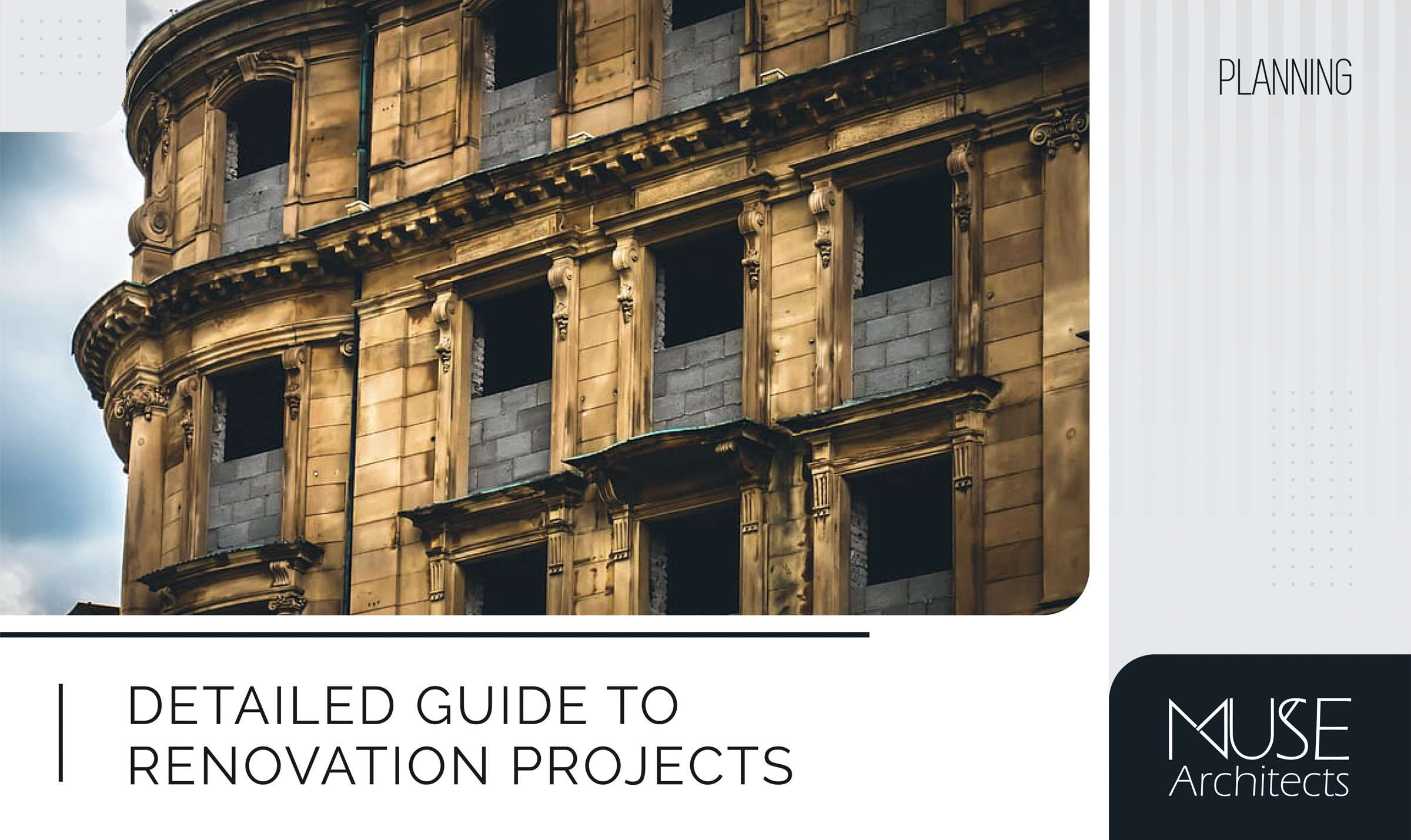
Detailed Guide to Renovation Projects

The Ultimate Guide to Home Renovation Whether you’re planning to transform your house into your dream home, create a family haven, or renovate for profit, home renovation is a significant undertaking. Regardless of the size of your home, renovating it requires careful attention to detail. If you have a clear vision for your plans or designs, the renovation process can be less stressful and more rewarding. To help navigate any uncertainties, we’ve created this ultimate renovation guide to set you on the right path. 1. Find and Assess Your Project Before committing to a full home renovation, it’s advisable to assess the design potential and structural integrity of the property. Connect with experienced agents, explore your options, and attend auctions. Once you find a project that excites you, it’s crucial to evaluate the house’s structural condition—this is where a professional surveyor can help. Make a checklist of common issues found in properties you visit, such as rewiring, cracks, or heating problems. 2. Finding a Renovation Project Don’t let the rising demand for home renovations rush you into purchasing something you may regret, nor should the competition weigh you down. It’s wise to walk away from projects that could lead to financial pitfalls. Modernising certain structures might end up costing more than buying new ones. The primary goal of renovating a house is to pay less for professional work, but sometimes you may find yourself spending more than the project is worth. 3. Set Your Renovation Goals Establish your renovation goals by identifying what you wish to achieve. If you plan to live in the house long-term, ensure that your renovations will serve your future needs. Consider how many bathrooms and bedrooms you might require, especially if you anticipate an increase in family size. If you’re renovating to increase property value for profit, consult a local real estate agent for insights on areas to focus on that will enhance value while minimising costs. Also, set aside funds for unexpected challenges that may arise. 4. The Design Process Begin your renovations by identifying the house’s best features, such as views, and its worst, like a leaking roof. Be prepared for potential hidden problems that may surface during the renovation. When undertaking such projects, the assistance of an architect or contractor can be invaluable, especially if your designs are complex. Their expertise can help reduce costs and optimise space. 5. Invest in Quality Materials Using high-quality materials is essential for extending your home’s lifespan and saving future costs. Consider factors such as environmental impact, sustainability, structural capability, thermal performance, sound insulation, and resistance to fire, pests, and moisture. Avoid using old bricks or timber that may harbour pests, as this can undermine your renovation efforts. 6. Stay on Track with Your Paperwork Even with the help of a contractor or architect, it’s crucial to monitor all aspects of your renovation, including costs and timelines. Refer to your calendar for fixed project deadlines and keep all receipts, invoices, contracts, and plans. Documenting daily progress will help you track events and provide specific dates for reference, particularly if you are managing the project yourself. Before starting any work, ensure your home is adequately insured, and if you already have insurance, confirm with your builder whether it covers the entire house or just specific areas.

Designing your home office

5 Steps to Designing Your New Home Office

Designing Your Home Office: Five Proven Tips There has been a noticeable increase in the number of people working from home today. Working from home can offer significant advantages, allowing individuals to balance their work with other important life activities. A recent survey indicates that an estimated 13 to 27 million people are working remotely. According to the survey, if the number of remote workers continues to rise, commuting could decrease by 70 to 140 billion journeys. Given the various activities at home, creating a dedicated workspace can help you organise yourself effectively. For beginners looking to set up a home office, this guide outlines five proven steps for designing a professional-looking workspace. Tip 1: Determine Your Location Location plays a crucial role in everything we do, including designing your home office. The choice of position should reflect professionalism and suitability. When selecting your home office location, consider three key factors: the nature of your job, the layout of your house, and the surrounding environment. Depending on your preferences and multitasking needs, almost any area in your home can be converted into an office. Tip 2: Create Enough Space for Yourself and Visitors Space is a vital consideration in office design. A spacious, well-designed room creates a comfortable environment for you and any visitors. Choosing a roomy position allows for careful arrangement of work files, chairs, tables, and shelves. A cramped office can lead to distractions and hinder productivity. Always ensure that your chosen office space is spacious enough for comfortable work. Tip 3: Create a List of Essential Items Setting up your home office can be overwhelming. In addition to ensuring adequate space, it’s essential to make a list of the items and equipment you’ll need. This helps you focus on what is necessary and avoid clutter. Important items to include on your list are furniture (chairs, tables, bookshelves, work desks) and gadgets (laptop/desktop computer, wireless router, fan/air conditioner, coffee machine). A well-thought-out list ensures you have everything you need for work. Tip 4: Brighten Up Your Home Office Incorporating bright lighting into your home office is crucial for creating an inviting atmosphere. Good lighting helps prevent eye strain while working and makes it easier to navigate your space, whether during the day or at night. A small desk lamp is highly recommended for additional lighting, especially for evening work. Tip 5: Tame Your Technology If you enjoy technology, keep it organised and to a minimum in your home office. A space cluttered with wires can be off-putting for visitors and may pose electrical risks. To minimise clutter, opt for wireless devices wherever possible. Only include gadgets that are essential for your work. Conclusion Designing your home office is not as difficult as it may seem. You don’t need to be an architect or interior designer to create a functional and comfortable workspace. By applying the simple tips outlined above, you can achieve a professional yet welcoming home office. Additionally, remember that colour plays an important role in design. Choose wall colours that make you feel comfortable and inspired. If you find yourself unsure while designing your home office, refer back to this article for guidance.

Hiring a Contractor

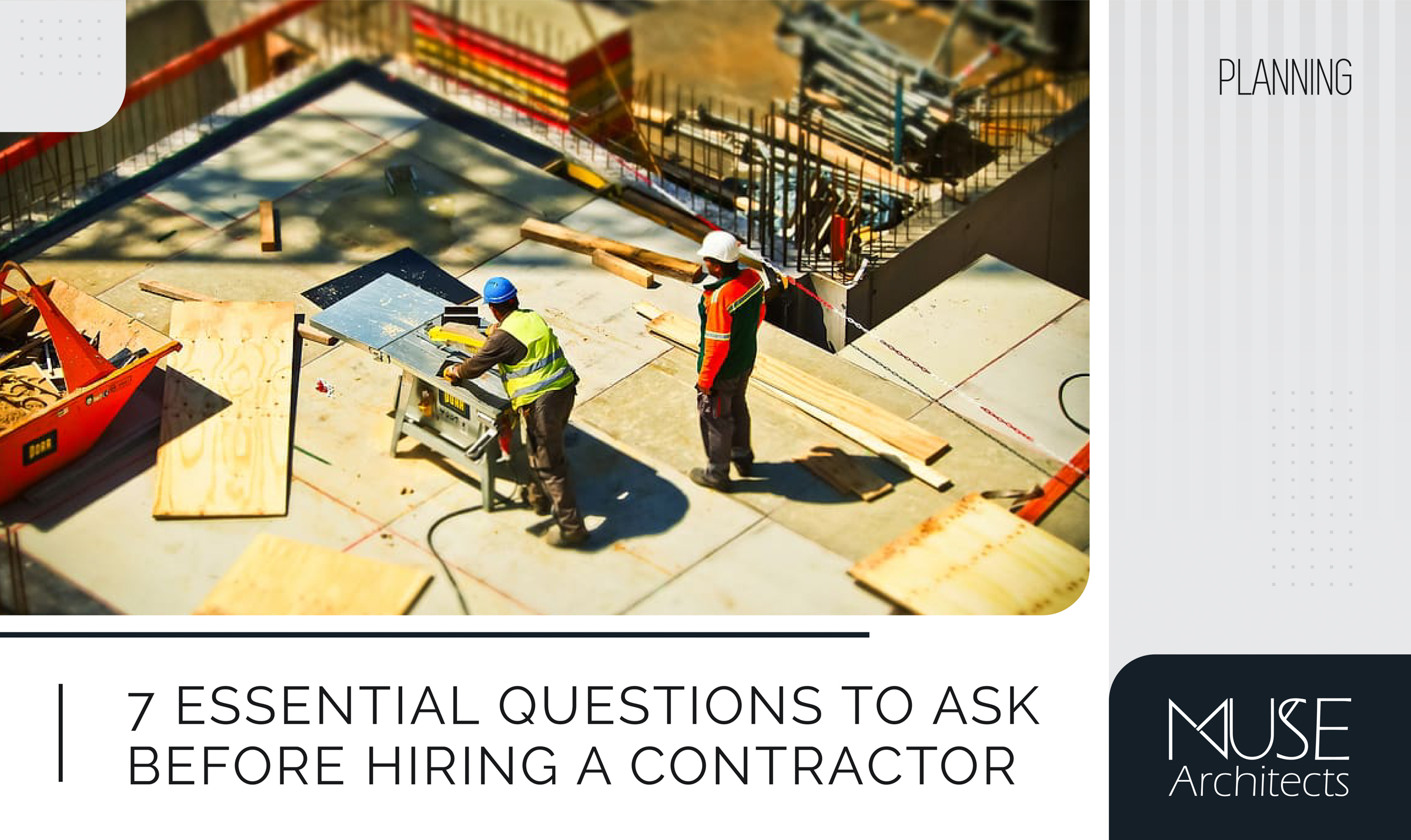
7 Essential Questions to Ask Before Hiring a Contractor

Seven Essential Questions to Ask a Contractor Before Hiring Whether you’re making a few changes or constructing a new building, important decisions need to be made, and these can sometimes feel overwhelming. The last thing you want is to hire a cowboy or a con artist. The quality, timeliness, and finances of your project greatly depend on the contractor you choose. The first place to find potential contractors is online or by asking your neighbours. Here are seven essential questions to ask a contractor before hiring them. 1. Would You Itemise Your Bid? Avoid contractors who present a single, bottom-line price without details. An itemised list shows the costs associated with each aspect of the job, allowing you to compare bids from different firms. Knowing the charges for demolition, framing, plumbing, and other services will help you understand your options. If the contractor resists providing an itemised list, consider it a red flag. 2. How Long Have You Been Active in Business in This Town? Your ideal contractor should have established connections within your local business network. A contractor with 5 to 10 years of experience in your area is preferable. You don’t want someone who is new to the business or has to travel a long distance to reach you. Their business card should display a nearby address, and they should provide a warranty duration. 3. Do You Have a List of References? This question is crucial and often overlooked by homeowners, especially new investors. Ask for references and check if the contractor is currently working on any projects. If possible, visit the sites unannounced to observe the crew’s performance. This will allow you to see which workers are punctual and how they manage their time. 4. Will You Be Seeking the Services of Subcontractors on This Project? Many contractors will use subcontractors for various tasks, which may not be ideal. Homes are intricately designed structures that require a cohesive approach. An experienced builder should anticipate potential problems and have a solid plan in place. 5. Would you be able to anticipate any challenges regarding this Project? One of the advantages of hiring an experienced contractor is their ability to foresee challenges. If they cannot identify potential issues in advance, it could jeopardise your project. Ensure that your contractor is upfront about possible obstacles and can provide alternative solutions ahead of time. This foresight will help you adjust your budget and expectations. 6. Do You Know What Building Permissions (Planning Permissions or Building Regulations) I Will Need for This Project? This is a vital question to avoid complications with local authorities. A good contractor should guide you on the necessary permits and documentation required for your project. Be sure to ask if they will charge extra for this service, as this will test their knowledge and expertise. 7. How Do You Tidy Up Your Job Site? Instead of asking, “Do you clean your work site daily?” ask, “What do you do at the end of every job?” This phrasing will give you a clearer picture of their cleanliness practices. A messy job site can create problems for the environment and your neighbours, and it’s important that everyone is accountable for maintaining a tidy workspace. About Muse We are your Residential and Commercial Architects At Muse Architects, we offer a wide range of local architectural services to clients in Manchester and beyond. From building control in Manchester to office design project management, our team of experienced architects has the skills and expertise to handle any project. Whether you’re looking for commercial building architects or residential architects near you, we’re here to help. As local architects, we understand the unique challenges and opportunities of designing buildings in Manchester. We specialise in Manchester residential architect services and work closely with clients to create beautiful, functional spaces. Our 3D property visualisation services, including 3D visualisation for city planning and interior design, are designed to help you bring your vision to life. Contact us today to learn more about how Muse Architects can help you achieve your architectural goals.

cost to hire an architect

Architect Costs: How much is the cost an architect

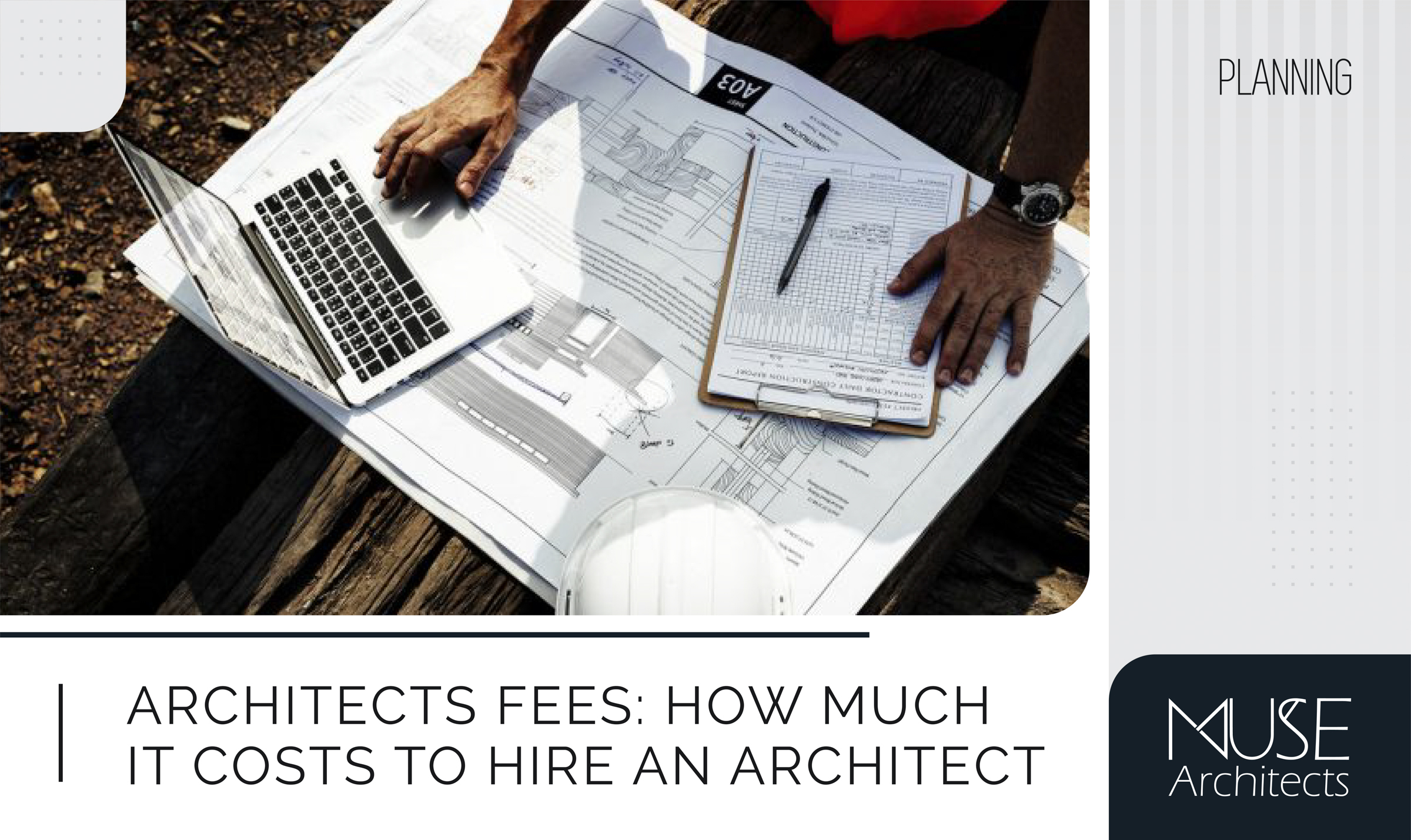
What You Need to Know About Architect Costs An architect’s role is to help you visualise your project from the beginning. Homeowners or contractors may overlook certain angles, but an architect can identify these aspects. Many clients feel uncertain about how much it costs to hire an architect, as fees can vary based on the economy and other factors. This article aims to demystify the world of architects’ fees. Three Main Methods Architects Use to Evaluate Their Fees Percentage BasisFees are calculated as a percentage of the construction cost and are commonly used for larger projects. It is essential for both the client and the architect to agree on the project budget before determining costs. The procurement route can also influence the overall fees. Lump-Sum AgreementThis method is typically used for projects where the scope of work is clearly defined. Important aspects such as the tasks involved and expected outputs must be established. Any additional work or revisions will incur extra charges beyond the agreed scope. This method is effective for smaller projects or home extensions. Time Charge BasisAlthough not commonly agreed upon by all architects, the time charge method can be effective as it clearly shows what you are paying for, incentivising the architect to work efficiently. Time charges are often applied for revision work, particularly when design changes take time to finalise. This method is also used for consultancy during the design phase or for extra site meetings. It encourages timely project completion, ensuring that each new design is thoroughly scrutinised based on time. Average Architect Fees Architect fees can vary significantly based on project complexity. Clients can expect charges to range between 5.5% and 15%, depending on the project’s complexity and the agreed/estimated budget. Below is a guide based on average fees from an independent annual fee survey, which are subject to market fluctuations and regional variations. Private Client Extensions For projects around £50,000: Charges range from 12% to 15%. For projects around £100,000: Charges range from 10% to 13%. For projects around £250,000: Charges range from 8% to 11%. For projects over £500,000: Charges range from 7% to 9%. New House Projects For projects over £300,000: Charges range from 8.5% to 10%. For projects over £500,000: Charges range from 7.5% to 9%. For projects over £750,000: Charges range from 6.5% to 8%. For projects over £1 million: Charges range from 5.5% to 7%. Architect Costs for Property Developer Projects Housing New Builds For projects over £2 million: Charges range from 4% to 5%. For projects over £4 million: Charges range from 3% to 4%. For projects over £8 million: Charges range from 2% to 3%. For projects over £15 million: Charges range from 1.5% to 2.5%. Apartment Housing New Builds For projects over £2 million: Charges range from 5% to 6%. For projects over £4 million: Charges range from 4.8% to 5.8%. For projects over £8 million: Charges range from 4.5% to 5.5%. For projects over £15 million: Charges range from 4.2% to 5.2%. Important Questions to Ask Before Hiring an Architect Experienced architects will typically break down their fees to assist with cash flow. Before hiring, homeowners should ask specific questions to ensure a good fit. Some essential questions include: Do you have any special experience with listed buildings or unique techniques? Can you provide samples of past work or a signature style? How well do you get along with your clients? Understanding these factors is crucial for a successful working relationship. Conclusion British architects accredited by RIBA provide technical designs and submit drawings to structural engineers and local authorities for various projects, including loft conversions and new builds. We offer fixed fee projects and can provide information about hourly rates and expected costs. Contact us to learn more about how we can assist you with your architectural needs.

Select the fields to be shown. Others will be hidden. Drag and drop to rearrange the order.
  • Image
  • SKU
  • Rating
  • Price
  • Stock
  • Availability
  • Add to cart
  • Description
  • Content
  • Weight
  • Dimensions
  • Additional information
Click outside to hide the comparison bar
Compare