Muse Architects

renovating a home

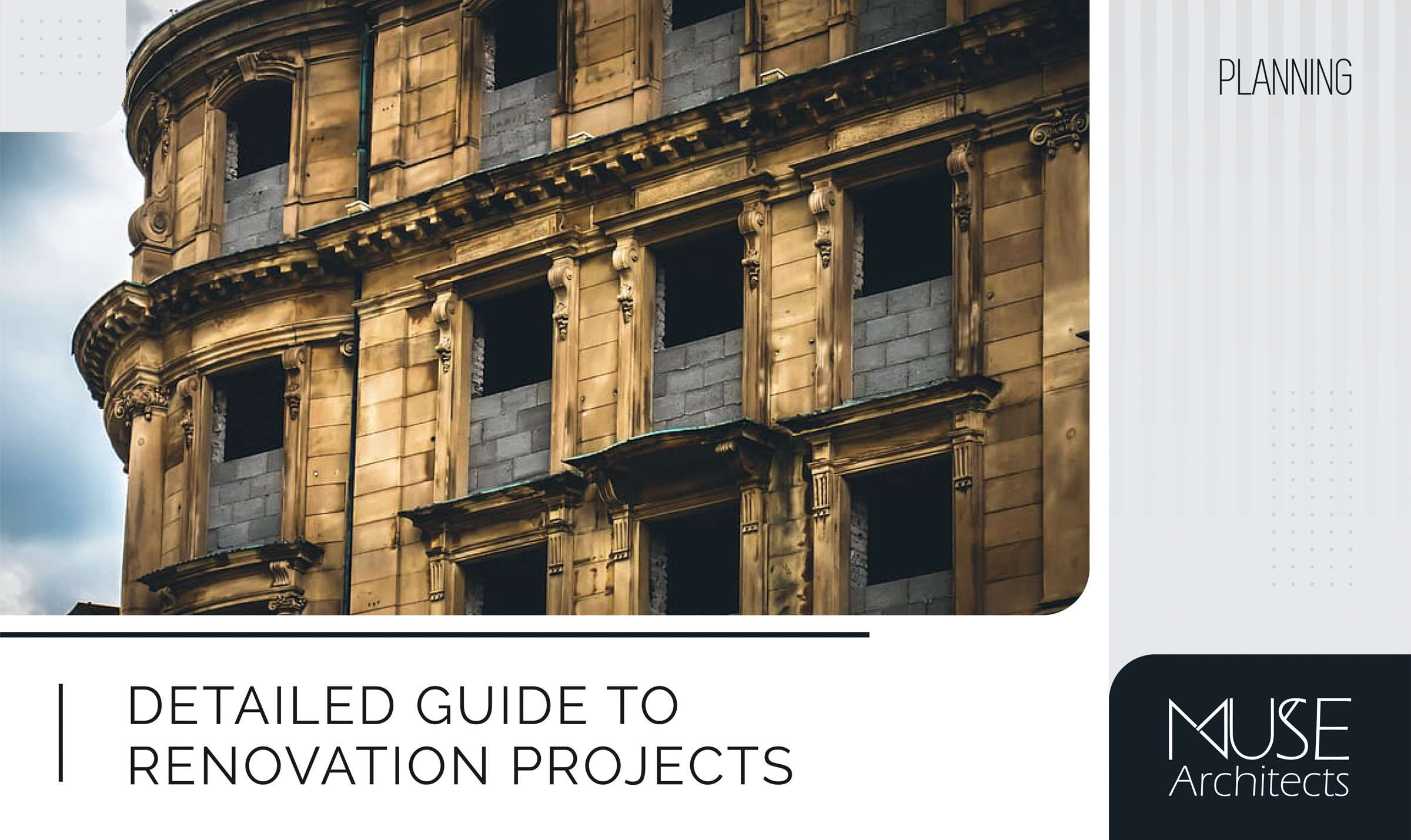
Detailed Guide to Renovation Projects

The Ultimate Guide to Home Renovation Whether you’re planning to transform your house into your dream home, create a family haven, or renovate for profit, home renovation is a significant undertaking. Regardless of the size of your home, renovating it requires careful attention to detail. If you have a clear vision for your plans or designs, the renovation process can be less stressful and more rewarding. To help navigate any uncertainties, we’ve created this ultimate renovation guide to set you on the right path. 1. Find and Assess Your Project Before committing to a full home renovation, it’s advisable to assess the design potential and structural integrity of the property. Connect with experienced agents, explore your options, and attend auctions. Once you find a project that excites you, it’s crucial to evaluate the house’s structural condition—this is where a professional surveyor can help. Make a checklist of common issues found in properties you visit, such as rewiring, cracks, or heating problems. 2. Finding a Renovation Project Don’t let the rising demand for home renovations rush you into purchasing something you may regret, nor should the competition weigh you down. It’s wise to walk away from projects that could lead to financial pitfalls. Modernising certain structures might end up costing more than buying new ones. The primary goal of renovating a house is to pay less for professional work, but sometimes you may find yourself spending more than the project is worth. 3. Set Your Renovation Goals Establish your renovation goals by identifying what you wish to achieve. If you plan to live in the house long-term, ensure that your renovations will serve your future needs. Consider how many bathrooms and bedrooms you might require, especially if you anticipate an increase in family size. If you’re renovating to increase property value for profit, consult a local real estate agent for insights on areas to focus on that will enhance value while minimising costs. Also, set aside funds for unexpected challenges that may arise. 4. The Design Process Begin your renovations by identifying the house’s best features, such as views, and its worst, like a leaking roof. Be prepared for potential hidden problems that may surface during the renovation. When undertaking such projects, the assistance of an architect or contractor can be invaluable, especially if your designs are complex. Their expertise can help reduce costs and optimise space. 5. Invest in Quality Materials Using high-quality materials is essential for extending your home’s lifespan and saving future costs. Consider factors such as environmental impact, sustainability, structural capability, thermal performance, sound insulation, and resistance to fire, pests, and moisture. Avoid using old bricks or timber that may harbour pests, as this can undermine your renovation efforts. 6. Stay on Track with Your Paperwork Even with the help of a contractor or architect, it’s crucial to monitor all aspects of your renovation, including costs and timelines. Refer to your calendar for fixed project deadlines and keep all receipts, invoices, contracts, and plans. Documenting daily progress will help you track events and provide specific dates for reference, particularly if you are managing the project yourself. Before starting any work, ensure your home is adequately insured, and if you already have insurance, confirm with your builder whether it covers the entire house or just specific areas.

Housing Multiple occupancies

Planning For Houses Of Multiple Occupancy (HMO)

Understanding Housing in Multiple Occupations (HMO) Housing in multiple occupations, commonly referred to as HMOs, describes a situation where a house is let out to a minimum of three individuals forming two or three households. The occupants share common facilities such as a kitchen, bathroom, and toilet. For a house to be classified as an HMO, it must be the primary or only residence of the tenants. In this post, I will explore and explain what HMOs entail. What is the Design of an HMO? If you plan to build a house of multiple occupations, employing professional architectural services is essential. As a potential HMO owner, understanding the layouts and design patterns of various HMOs is beneficial. An HMO should include several key features. Typically, bathrooms and kitchens are shared areas for all occupants, along with other common spaces such as gardens and staircases. HMOs are commonly divided into self-contained flats, bed-sitting rooms, and simple lodgings. How to Obtain an HMO Licence Obtaining an HMO licence is not as straightforward as some may think. HMOs are popular among buy-to-let investors due to their potential for high income within a short time frame. The high-income potential of HMOs makes them appealing to investors looking at buy-to-let properties. Converting a single property into smaller units with separate tenancy agreements can help landlords minimise losses from unpaid rent. Licensing is generally classified into three categories: 1. Mandatory Licensing for Large HMOs This licence is required for large HMOs where there are a minimum of five tenants from at least two households. This requirement is applicable nationwide for HMOs with five or more occupants and two or more households. However, this licence does not apply to flats situated in a building containing four or more self-contained flats. 2. Additional Licensing Additional licensing may be imposed by a council requiring other sizes of HMOs to be licensed. 3. Selective Licensing Selective licensing allows the borough to decide on licensing at their discretion. This can affect all rental properties, regardless of size, number of storeys, or tenant count. Before granting a licence, the local authority must ensure that the landlord and any managing agent are fit to hold a licence and that the property meets the required physical standards. Licences are granted when: Necessary fire safety measures, such as smoke detectors and extinguishers, are in place. Annual gas safety checks are up to date. Electrical wiring and appliances are certified safe by an expert for the next three years. The property is not overcrowded. Communal and publicly used areas are kept clean and well-maintained. Appropriate refuse storage and disposal facilities are available. Once granted, the licence must be displayed in the communal areas. The procedures for obtaining an HMO licence can vary by country. Strict laws in countries like Ireland, the USA, and the UK outline the licensing process. Therefore, it is advisable to conduct thorough research and consult relevant agencies for guidance on obtaining an HMO licence. Conclusion Owning one or several HMOs can be a significant asset, generating consistent income. Always ensure you have the correct licence from the appropriate authority to operate an HMO. If you need architectural services to help you achieve your goals, please get in touch—our team would be delighted to assist. About Muse We are your Residential and Commercial Architects At Muse Architects, we offer a wide range of local architectural services to clients in Manchester and beyond. From building control in Manchester to office design project management, our team of experienced architects has the skills and expertise to handle any project. Whether you’re looking for commercial building architects or residential architects near you, we’re here to help. As local architects, we understand the unique challenges and opportunities of designing buildings in Manchester. We specialise in Manchester residential architect services and work closely with clients to create beautiful, functional spaces. Our 3D property visualisation services, including 3D visualisation for city planning and interior design, are designed to help you bring your vision to life. Contact us today to learn more about how Muse Architects can help you achieve your architectural goals.

Designing your home office

5 Steps to Designing Your New Home Office

Designing Your Home Office: Five Proven Tips There has been a noticeable increase in the number of people working from home today. Working from home can offer significant advantages, allowing individuals to balance their work with other important life activities. A recent survey indicates that an estimated 13 to 27 million people are working remotely. According to the survey, if the number of remote workers continues to rise, commuting could decrease by 70 to 140 billion journeys. Given the various activities at home, creating a dedicated workspace can help you organise yourself effectively. For beginners looking to set up a home office, this guide outlines five proven steps for designing a professional-looking workspace. Tip 1: Determine Your Location Location plays a crucial role in everything we do, including designing your home office. The choice of position should reflect professionalism and suitability. When selecting your home office location, consider three key factors: the nature of your job, the layout of your house, and the surrounding environment. Depending on your preferences and multitasking needs, almost any area in your home can be converted into an office. Tip 2: Create Enough Space for Yourself and Visitors Space is a vital consideration in office design. A spacious, well-designed room creates a comfortable environment for you and any visitors. Choosing a roomy position allows for careful arrangement of work files, chairs, tables, and shelves. A cramped office can lead to distractions and hinder productivity. Always ensure that your chosen office space is spacious enough for comfortable work. Tip 3: Create a List of Essential Items Setting up your home office can be overwhelming. In addition to ensuring adequate space, it’s essential to make a list of the items and equipment you’ll need. This helps you focus on what is necessary and avoid clutter. Important items to include on your list are furniture (chairs, tables, bookshelves, work desks) and gadgets (laptop/desktop computer, wireless router, fan/air conditioner, coffee machine). A well-thought-out list ensures you have everything you need for work. Tip 4: Brighten Up Your Home Office Incorporating bright lighting into your home office is crucial for creating an inviting atmosphere. Good lighting helps prevent eye strain while working and makes it easier to navigate your space, whether during the day or at night. A small desk lamp is highly recommended for additional lighting, especially for evening work. Tip 5: Tame Your Technology If you enjoy technology, keep it organised and to a minimum in your home office. A space cluttered with wires can be off-putting for visitors and may pose electrical risks. To minimise clutter, opt for wireless devices wherever possible. Only include gadgets that are essential for your work. Conclusion Designing your home office is not as difficult as it may seem. You don’t need to be an architect or interior designer to create a functional and comfortable workspace. By applying the simple tips outlined above, you can achieve a professional yet welcoming home office. Additionally, remember that colour plays an important role in design. Choose wall colours that make you feel comfortable and inspired. If you find yourself unsure while designing your home office, refer back to this article for guidance.

Hiring a Contractor

7 Essential Questions to Ask Before Hiring a Contractor

Seven Essential Questions to Ask a Contractor Before Hiring Whether you’re making a few changes or constructing a new building, important decisions need to be made, and these can sometimes feel overwhelming. The last thing you want is to hire a cowboy or a con artist. The quality, timeliness, and finances of your project greatly depend on the contractor you choose. The first place to find potential contractors is online or by asking your neighbours. Here are seven essential questions to ask a contractor before hiring them. 1. Would You Itemise Your Bid? Avoid contractors who present a single, bottom-line price without details. An itemised list shows the costs associated with each aspect of the job, allowing you to compare bids from different firms. Knowing the charges for demolition, framing, plumbing, and other services will help you understand your options. If the contractor resists providing an itemised list, consider it a red flag. 2. How Long Have You Been Active in Business in This Town? Your ideal contractor should have established connections within your local business network. A contractor with 5 to 10 years of experience in your area is preferable. You don’t want someone who is new to the business or has to travel a long distance to reach you. Their business card should display a nearby address, and they should provide a warranty duration. 3. Do You Have a List of References? This question is crucial and often overlooked by homeowners, especially new investors. Ask for references and check if the contractor is currently working on any projects. If possible, visit the sites unannounced to observe the crew’s performance. This will allow you to see which workers are punctual and how they manage their time. 4. Will You Be Seeking the Services of Subcontractors on This Project? Many contractors will use subcontractors for various tasks, which may not be ideal. Homes are intricately designed structures that require a cohesive approach. An experienced builder should anticipate potential problems and have a solid plan in place. 5. Would you be able to anticipate any challenges regarding this Project? One of the advantages of hiring an experienced contractor is their ability to foresee challenges. If they cannot identify potential issues in advance, it could jeopardise your project. Ensure that your contractor is upfront about possible obstacles and can provide alternative solutions ahead of time. This foresight will help you adjust your budget and expectations. 6. Do You Know What Building Permissions (Planning Permissions or Building Regulations) I Will Need for This Project? This is a vital question to avoid complications with local authorities. A good contractor should guide you on the necessary permits and documentation required for your project. Be sure to ask if they will charge extra for this service, as this will test their knowledge and expertise. 7. How Do You Tidy Up Your Job Site? Instead of asking, “Do you clean your work site daily?” ask, “What do you do at the end of every job?” This phrasing will give you a clearer picture of their cleanliness practices. A messy job site can create problems for the environment and your neighbours, and it’s important that everyone is accountable for maintaining a tidy workspace. About Muse We are your Residential and Commercial Architects At Muse Architects, we offer a wide range of local architectural services to clients in Manchester and beyond. From building control in Manchester to office design project management, our team of experienced architects has the skills and expertise to handle any project. Whether you’re looking for commercial building architects or residential architects near you, we’re here to help. As local architects, we understand the unique challenges and opportunities of designing buildings in Manchester. We specialise in Manchester residential architect services and work closely with clients to create beautiful, functional spaces. Our 3D property visualisation services, including 3D visualisation for city planning and interior design, are designed to help you bring your vision to life. Contact us today to learn more about how Muse Architects can help you achieve your architectural goals.

7 Reasons to Extend Your Home

7 Reasons to Extend Your Home

7 Reasons to Extend Your Home A happy home is often disrupted by demands for more space, whether due to kids running around, an elderly relative moving in, or simply the desire for additional room. This raises complex questions: Is an extension more time- and cost-effective than moving? When you weigh the pros and cons of home investment, extending your home often proves to be a practical choice. Here are seven compelling reasons to consider extending your home. 1. You Need More Space When it was just you and your partner, a two-bedroom bungalow might have felt perfect. However, as your family grows, you may need an additional nursery or playroom. A home extension can help you supervise your children without stress, allowing for a layout that lets you keep an eye on them from the kitchen. An extension might provide the quality time you’ve been yearning for. 2. You Want to Improve Quality of Life The quality of your home significantly impacts your overall quality of life. Key areas like your family room and kitchen are heavily used, and revamping these spaces can greatly enhance your living experience. If your bathroom has plumbing issues or is simply outdated, an extension can address these problems. While extending your home is a large project, it is often more economical and effective than continuously making minor changes. 3. You Want to Restore Your Home’s Character Older homes may lose their charm and structural value, but they can be exquisite gems waiting to be polished. Hiring a home designer can help modernise your property while preserving its original beauty. A thoughtfully extended and revamped home can beautifully blend modern amenities with historical character. 4. You Want to Raise Your House’s Value Investing in your home can significantly increase its market value. Simple additions like an outdoor entertaining area, new bedrooms, improved living spaces, or kitchen upgrades can make a big difference. Carefully constructed extensions and remodels will enhance your home’s attractiveness, both inside and out, making it more appealing to potential buyers or renters. Such improvements are often well-regarded in the real estate market, giving you a competitive edge. 5. You Don’t Want to Move Moving can be an overwhelming and costly process. The time and effort involved in finding a new place, coupled with the emotional toll on your family, can be significant. Your children may also wish to keep their old friends rather than starting anew. A well-designed extension can transform your existing space into a home that meets your current needs and future aspirations, making it a more viable option than relocating. 6. Adapt Your House to Your Lifestyle An extension can provide valuable extra space, helping to reduce stress and family conflicts. More space creates opportunities for improved family interaction and privacy. Many homeowners have chosen to extend their kitchens and living areas, modernising their homes and enhancing their overall living experience. 7. You Want to Earn by Renting Out If you’re considering generating additional income by renting out part of your home, an extension may be necessary. This allows you to create a separate, private space for tenants while maintaining your own privacy. These are just a few compelling reasons to extend your home. Before embarking on a project, prepare a plan based on your budget, current needs, and lifestyle. It may also be helpful to seek advice from neighbours who have undertaken similar projects.

Loft Conversions

Our Guide & Tips on Loft Conversions

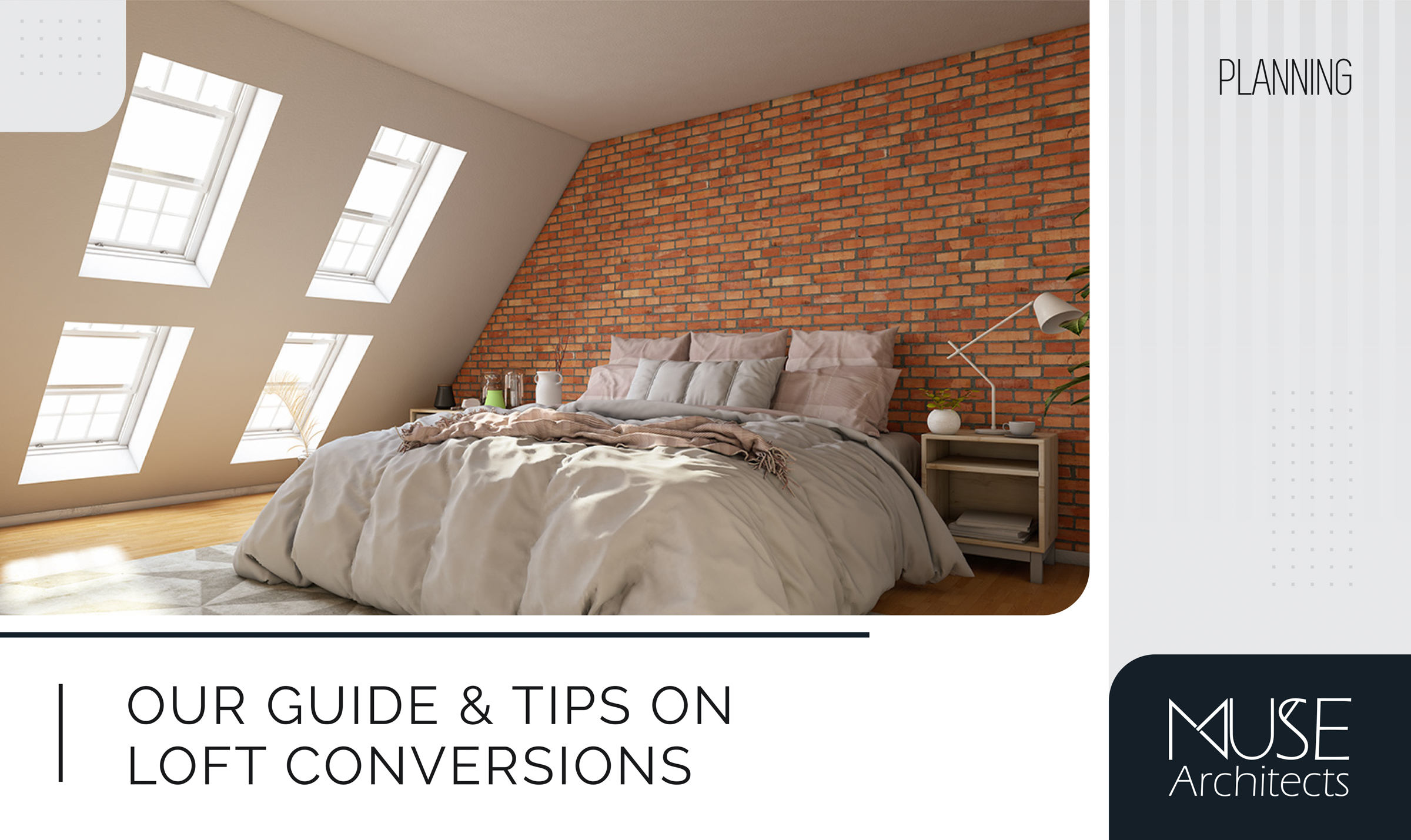
A Simple Guide to Loft Conversions Creating extra space to accommodate more people or belongings can seem daunting. If you’re looking to add extra space in your home, a loft conversion is an excellent option. Whether you need an extra guest room, bathroom, kitchen, or study, a loft conversion can effectively solve your space issues. Loft conversions aren’t limited to residential properties; non-residential buildings like former warehouses and factories can also be transformed into habitable spaces. Below, I will explain how to go about a loft conversion with a simple DIY guide. What is a Loft Conversion? A loft conversion, often referred to as an attic conversion, involves transforming an empty space into a functional room. This new space can serve various purposes, such as a bedroom, bathroom, study, gym, or garage. Loft conversions have become one of the most popular methods of home improvement over time. The perceived complexity of loft conversions often discourages homeowners from attempting a DIY approach, leading many to hire specialists from loft conversion companies. Cost of a Loft Conversion As of 2021, a loft conversion typically costs between £20,000 and £50,000. The actual price will depend on the extent of the alterations needed and the size of the space. More extensive work can push costs up to £100,000. Types of Loft Conversions Roof Light Loft Conversions This is one of the simplest conversion processes, requiring only the addition of one or more windows to the roof to allow natural light into the loft area. Expect to spend around £15,000 for this type. Dormer Loft Conversion A dormer loft conversion involves creating a box-shaped extension of your existing roof, increasing both floor space and headroom. This type is ideal for houses with small attic spaces, as it maximises space. Budget approximately £35,000 for a dormer conversion. Mansard Loft Conversion Best suited for larger houses with significant roof space, a mansard loft conversion is more costly but can beautifully transform your home. This type adds another storey and changes your roof’s slope to the industry-standard angle of 72 degrees. Costs typically range from £35,000 to £45,000 or more. Hip to Gable Loft Conversions If you own a detached or semi-detached house, a hip to gable loft conversion is effective for expanding your living space. This process utilises the hip and gable sections of your roof and typically costs between £25,000 and £30,000. Top 3 Loft Conversion Tips Tip 1: Examine Neighbouring Conversions Before starting your loft conversion, take a close look at houses on your street that have undergone similar projects. This will help you understand what to expect and prepare for your own DIY conversion. Tip 2: Check the Slope of Your Roof Determining the slope of your roof is essential to ensure you have enough headroom in your new room. You don’t need an architect for this; you can estimate it by visualising yourself walking inside the room to see if the conversion is feasible with minimal effort. Tip 3: Invest in a Professional DIY Loft Conversion Guide Having a professional DIY guide is invaluable for executing the loft conversion process smoothly. There are many resources available in printed, audio, and video formats. Make sure to thoroughly study and understand the guide before starting your project. Conclusion A loft conversion can be both challenging and rewarding if you have the right guidance. If you wish to create additional space in your home, the tips shared in this article will be beneficial. About Muse We are your Residential and Commercial Architects At Muse Architects, we offer a wide range of local architectural services to clients in Manchester and beyond. From building control in Manchester to office design project management, our team of experienced architects has the skills and expertise to handle any project. Whether you’re looking for commercial building architects or residential architects near you, we’re here to help. As local architects, we understand the unique challenges and opportunities of designing buildings in Manchester. We specialise in Manchester residential architect services and work closely with clients to create beautiful, functional spaces. Our 3D property visualisation services, including 3D visualisation for city planning and interior design, are designed to help you bring your vision to life. Contact us today to learn more about how Muse Architects can help you achieve your architectural goals.

Property Development

5 Tips from Architects to Property Developers

Tips for Successful Property Development The potential for significant earnings in the property development business attracts both developers and investors. However, numerous mistakes can turn opportunities into challenges that you need to avoid if you genuinely want to succeed in this field. By steering clear of common errors, you can maximise your earnings and reduce the associated risks. This article provides you with essential tips to help you achieve your property development goals. Understand Property Development Before You Launch It’s common to see newcomers in property development conduct minimal research, make rough cost estimates, and then embark on a project. To be successful in this industry, you must have a thorough understanding of how property development works. If you plan to oversee the development project yourself, you’ll need to collaborate with various professionals, including architects, town planners, surveyors, technicians, lawyers, building firms, building inspectors, and local councils. If you lack the experience to navigate the property development landscape effectively, consider hiring a planning and development manager or participating in a joint venture with a reputable property development firm. Understand the Property Development Market Understanding the state of the property market is crucial for success. Conduct thorough research and engage with industry players and stakeholders to answer key questions such as: What demographic resides in the selected area? What stage is the property cycle currently in for that location? What price are buyers willing to pay in the area? Will the development be in high demand? These factors can determine your likelihood of success. Spend Time Researching the Site Locating a suitable site is perhaps the most critical aspect of property development. Once you identify a potential site, investigate zoning regulations and subdivision rules. Determine if the site is heritage listed and understand any local area planning policies or proposed rezoning that may impact it. Complete a Feasibility Study After researching the site, the next step is to conduct a feasibility study. This study will evaluate the site’s worth, the number and type of houses you can build, and whether you can achieve substantial profits. Conducting a thorough feasibility study is essential; failing to do so risks your investment and can lower your profit margins. Your feasibility study should include: An analysis of the project’s entire timeframe An estimation of project and subdivision fees The location of services and utilities Soil examination, soil type, and drainage requirements Any restrictive covenants or easements on the land title Understand Your Tax Obligations Your tax responsibilities will vary depending on whether you are an investor or a developer. For instance, investors pay tax on profits made from properties, but if they hold onto the property for over 12 months, they may qualify for a 50% reduction. Developers, on the other hand, may not qualify for such reductions and could have different tax obligations. It’s essential to understand your tax status before starting any development process. Consider consulting a professional tax accountant to determine the appropriate structure for acquiring your property, whether as a company, an individual, in a trust, or as a joint venture. Each structure has its own legal and financial implications.

Flat Conversions

Our Guide on House to Flats Conversions

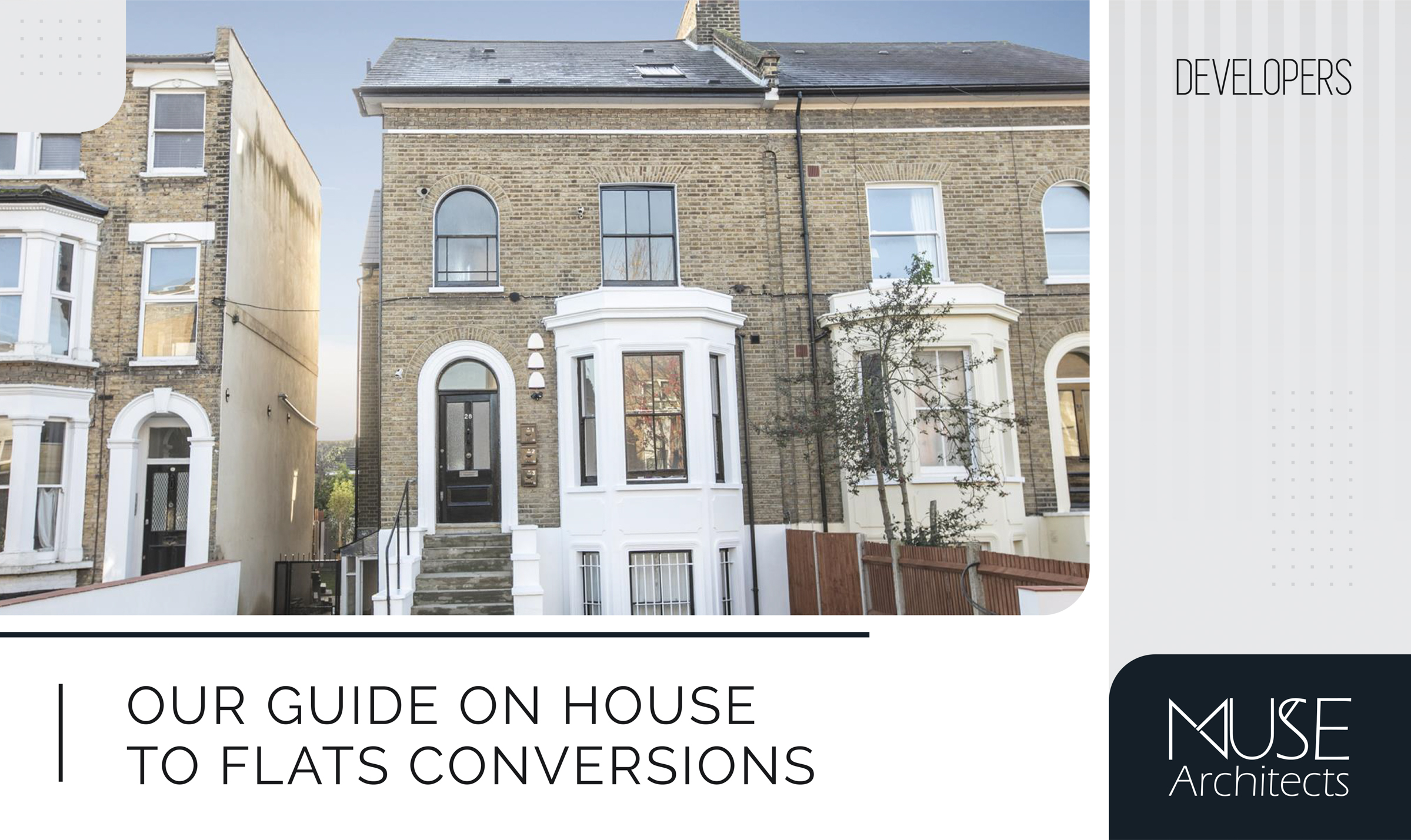
The Importance of Flat Conversions It is essential for property owners to make the best use of their buildings, ensuring that alterations and conversions are carried out to a high standard. In recent years, there has been a notable increase in individuals building houses and leasing them out. The housing sector has seen a significant rise in the number of investors, driven by the wealth and consistent income-generating potential it offers. Consequently, the housing sector has become one of the nation’s leading industries. However, the availability of rental space remains a limiting factor across the UK, which is where flat conversions come into play. Below, I will outline the importance of choosing a flat conversion. Importance of Flat Conversions As a landlord or landowner, converting your buildings into multiple flats can significantly increase your wealth. The recent popularity of rental markets is due to the high employment rate in the nation, leading to a rise in demand for flats. Despite the potential, many landlords find the process of converting their buildings into flats daunting. As professional architects and planning consultants, we have hands-on experience in flat conversions and can guide you through the process with our expertise in designing housing solutions. The number of flats you can create depends on the size of your land. Maximising your asset (house/land) can be daunting if you are not an experienced property developer. With our experience in property development and investment, we can help you properly maximise your asset and evaluate your land’s development potential, advising you on timescales and budget considerations. Securing Your Flat Conversions We have designed several intelligent templates for flat conversions that you can choose from. Our strategies for subdividing your house into different types of flats aim to achieve maximum use of your asset. Thanks to our extensive experience in flat conversion and property development, we understand what planning officers need to approve a flat conversion application. We are here to guide you through each phase of the often-daunting process of obtaining planning permission from local authorities. Designing the Layout of Your Ideal Flat Conversion We recognise that the flat conversion process can be cumbersome and are ready to assist you throughout. Our goal is to recommend the most beneficial use of space to create the maximum number of flats on your land, ensuring the best possible financial outcomes. As experts in architecture and planning, our design templates are crafted to produce attractive and functional flats that will appeal to high-paying tenants or buyers. We prioritise your needs when formulating and making decisions to ensure a successful flat conversion and development plan. Once we obtain planning permission from local authorities, we swiftly move into subsequent phases, including Technical Design and Building/Land regulation phases. This process is accompanied by constant monitoring of the construction projects by our site engineers and contracted administrators. Conclusion Our swift transition from one phase to another aims to turn your design concept into reality. Our team includes experienced civil engineers, surveyors, estate managers, and builders with proven expertise, allowing us to develop effective steps and a construction inspection approach to address any complications that may arise during your project. With us, you can feel confident that your flat conversions will become a beautiful reality within your budget. We pride ourselves on being professional yet friendly, always ready to assist with any challenges you might face while converting your buildings or land into multiple flats now or in the future. About Muse We are your Residential and Commercial Architects At Muse Architects, we offer a wide range of local architectural services to clients in Manchester and beyond. From building control in Manchester to office design project management, our team of experienced architects has the skills and expertise to handle any project. Whether you’re looking for commercial building architects or residential architects near you, we’re here to help. As local architects, we understand the unique challenges and opportunities of designing buildings in Manchester. We specialise in Manchester residential architect services and work closely with clients to create beautiful, functional spaces. Our 3D property visualisation services, including 3D visualisation for city planning and interior design, are designed to help you bring your vision to life. Contact us today to learn more about how Muse Architects can help you achieve your architectural goals.

Permitted Development Rights

Our Guide to Permitted Development Rights

Understanding Permitted Development Rights Permitted development rights are a set of national policies that allow homeowners to carry out certain improvement and extension work, or repurpose their properties, without needing to apply for development permission from the local authority. With this pre-approved permission from Parliament, homeowners can extend or modify their properties within specific limits, saving both time and money as long as they adhere to the relevant rules. In this article, we will explore permitted development rights and their limitations. What Projects Are Covered by Permitted Development Rights? These rights permit homeowners to undertake improvements and extension work on their residential and commercial properties, provided they stay within legal boundaries. Rear Extension Projects Building work must not extend beyond the existing property’s rear wall by more than 3 metres for attached houses or 4 metres for detached houses. Must use the same construction materials as the existing house. Must occupy less than 50% of the area of the land surrounding the existing house. Must be less than 4 metres in height, or less than 3 metres if within 2 metres of a property boundary. Must have eaves and a ridge not taller than the existing house. Side Extension Projects Must be at the side of the existing house and not face the highway. Must use the same construction materials as the existing house. Must occupy less than 50% of the area of the land surrounding the existing house. Must occupy less than 50% of the width of the existing house. Must be less than 4 metres in height, or less than 3 metres if within 2 metres of a property boundary. Must have eaves and a ridge not taller than the existing house. Wraparound Extension Projects For building works that involve both side and rear extensions to create a ‘wraparound’, the permitted development rights restrictions will be evaluated according to the criteria for both side and rear extensions individually, making it more challenging for projects to fall under permitted development rights. Two-Storey Extension Projects Should not have windows in the wall or roof slope of the side elevation on different storeys. Must occupy less than 50% of the width of the existing house. Must occupy less than 50% of the area of the land surrounding the existing house. Must use the same construction materials as the existing house. Must have eaves and a ridge not taller than the existing house. Terraces must not be more than 3.5 metres higher than the next highest terrace. Garage Conversion Projects Construction works must be internal. Must use the same construction materials as the existing house. Must not enlarge the existing building. If converting a detached garage into a bedroom, living room, or office, you may require development permission. Loft Conversion Projects Must have a volume allowance of 50 cubic metres of additional roof space for detached and semi-detached houses. Must use the same construction materials as the existing house. Must not include a window in any section or roof slope creating a side rise of the dwelling. The roof pitch of the primary part of the dwelling must match that of the existing house. Must have a dormer wall set back at least 20 centimetres from the existing wall face. Must have windows that are non-opening if less than 1.7 metres from floor level. Must have side windows that are obscured or frosted. Constructing a New Storey or Flat on Your Property There cannot be windows in the wall or roof slope of added storeys. You may include up to two additional storeys on the topmost storey of a detached house or existing multi-storey properties. The newly extended house must have a maximum height limit of 18 metres. Terraces must not be more than 3.5 metres higher than the next tallest terrace. About Muse We are your Residential and Commercial Architects At Muse Architects, we offer a wide range of local architectural services to clients in Manchester and beyond. From building control in Manchester to office design project management, our team of experienced architects has the skills and expertise to handle any project. Whether you’re looking for commercial building architects or residential architects near you, we’re here to help. As local architects, we understand the unique challenges and opportunities of designing buildings in Manchester. We specialise in Manchester residential architect services and work closely with clients to create beautiful, functional spaces. Our 3D property visualisation services, including 3D visualisation for city planning and interior design, are designed to help you bring your vision to life. Contact us today to learn more about how Muse Architects can help you achieve your architectural goals.

Change of Use

Maximise your Property’s Full Potential by: Change of Use

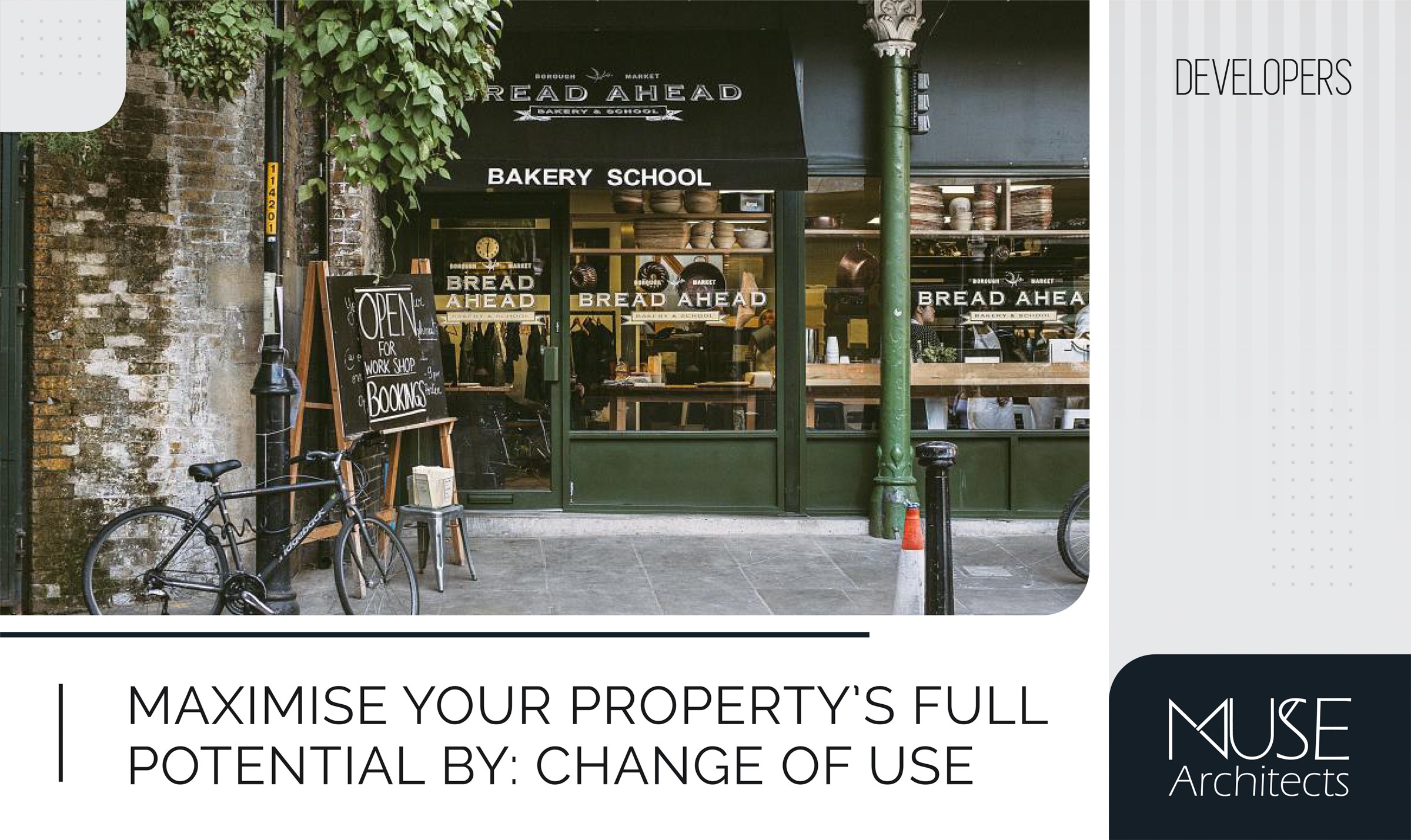
Unlocking the Potential of Property Change of Use Many landlords and landowners aspire to maximise the full potential of their properties through change of use. However, understanding how to promote or utilise your land effectively can be challenging. In this article, I will provide advice on how to unlock the potential of your property change. The UK Town and Planning Order Under the UK Town and Planning Order, land is categorised into four main ‘use classes’: Class A: This includes shops, financial and professional services, restaurants and cafes, drinking establishments (e.g., wine bars, public houses), and hot food takeaways. Class B: Buildings falling under this category include offices, industrial facilities, and open-air storage facilities. Class C: This class includes hotels, residential institutions, dwelling houses, and houses in multiple occupations (HMOs). Class D: This class comprises non-residential institutions, assembly and leisure houses. The Town and Country Planning (Use Classes) Order 1987 is a statutory order that applies in Wales and England. It outlines the various types of ‘Use Classes’ and the permissions required for land or buildings to change their use. It also establishes the necessary permissions needed to alter the use of a building from one use to another within the same class. As chartered, experienced architects and professional planners, we can help you navigate the UK planning system. It is possible to apply for a change of use without the necessary planning permission, using a system known as permitted development rights. As a leading architectural and planning firm, we assist in fully utilising permitted development rights. If permitted development rights are not applicable, we are available to guide you through the processes of obtaining planning permission. Securing Your Change of Use Planning Permission Obtaining planning permission for a change of use can be a daunting task due to the cumbersome process involved. Planning permission is the approval issued by your local authority to commence a proposed building project, ensuring that developments occur in appropriate areas. According to the National Planning Policy Framework, decisions on when and how planning permission should be issued are made in line with local planning policies. We have extensive experience working with London planning councils and understand the likely restrictions that may be imposed on your change of use application. Designing Your Ideal Change of Use Layout As experts in building and land permission planning, we have crafted a change of use design template to help you develop your design ideas. This template not only helps you create a design concept but also matches your requirements and taste. Whether you are converting from B1 to C3, B1 to D1, or C3 to C4, our templates cover these scenarios. We recognise that projects involving a change of use can be complex, but we manage the design process with your needs in mind. Planning permission may not be required when the existing and proposed uses fall within the same ‘use class’, or if the Town and Country Planning (General Permitted Development) (England) Order 2015 (as amended) allows for changes of use to another specified ‘use class’. This could apply to your property. Conclusion Once you secure planning permission for your change of use from the local authority, we proceed to the technical design and building phase, followed by monitoring the construction project and contract administration. This ensures that your design concept is transformed into reality. Get Free Advice Whether you’ve already purchased a commercial property or are searching for one, the best step is to talk to us as soon as possible. At Muse Architects, we provide complimentary consultations to help you understand the ins and outs of any potential project from the start. Our team offers expert advice on: Design Planning Building regulations Budgeting Programme Construction If you’re looking for a helping hand, book your free consultation today. About Muse We are your Residential and Commercial Architects At Muse Architects, we offer a wide range of local architectural services to clients in Manchester and beyond. From building control in Manchester to office design project management, our team of experienced architects has the skills and expertise to handle any project. Whether you’re looking for commercial building architects or residential architects near you, we’re here to help. As local architects, we understand the unique challenges and opportunities of designing buildings in Manchester. We specialise in Manchester residential architect services and work closely with clients to create beautiful, functional spaces. Our 3D property visualisation services, including 3D visualisation for city planning and interior design, are designed to help you bring your vision to life. Contact us today to learn more about how Muse Architects can help you achieve your architectural goals.

Select the fields to be shown. Others will be hidden. Drag and drop to rearrange the order.
  • Image
  • SKU
  • Rating
  • Price
  • Stock
  • Availability
  • Add to cart
  • Description
  • Content
  • Weight
  • Dimensions
  • Additional information
Click outside to hide the comparison bar
Compare