Muse Architects

Home Extensions

Beginner’s Guide to Home Extensions

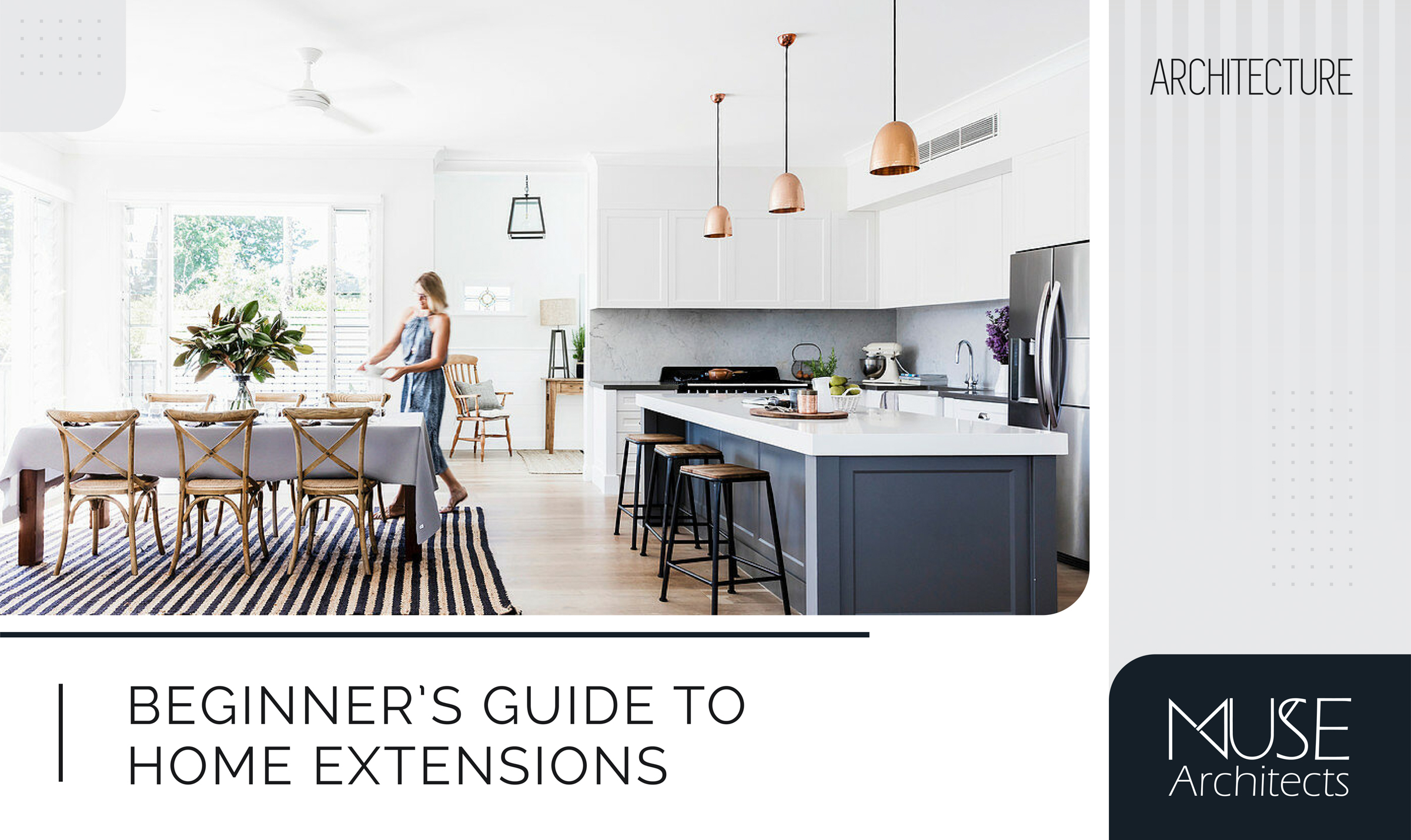
A Guide to Building a Home Extension Do you want to build a home extension but don’t know how to start? This guide is for you. The cost of building a home extension depends on the size of the extension and your specific needs. Additionally, there are several aspects involved in constructing home extensions that you should be aware of. How Much Does Building an Extension Cost? The financial requirements for building a home extension largely depend on various factors, such as your location, the size of the extension, the number of storeys, and your design preferences. For a typical home extension, you should budget approximately £1,000 to £2,000 per square metre. If you’re considering a single-storey extension, the costs will generally be as follows: Basic quality: £1,000 to £1,680 Good quality: £1,680 to £1,920 Excellent quality: £1,920 to £2,160 While a two-storey extension may not be significantly more expensive, it will require more extensive work. How to Build a Cost-Effective Home Extension To create a cost-effective home extension, ensure that the design and shape are simple, as these are often cheaper than more complex designs. Additionally, choose an affordable construction method and building materials. How to Build a Home Extension Without Planning Permission You can build a home extension without planning permission if it falls under Permitted Development (PD), meaning you won’t need to undergo the application process. However, if your home is in a National Park or a Conservation Area, the scope of work under Permitted Development may be limited. Under PD rights, specific works can be done without planning permission if you meet certain criteria, such as: You can extend your detached home by up to 8m at the rear for a single-storey extension. A single-storey extension must not exceed 4m in height at the ridge and eaves, and the ridge height cannot be greater than that of the existing home. Two-storey extensions must be at least 7m from the rear boundary. Side extensions can only be a single storey, with a maximum height of 4m and a width of no more than half of the original extension. All new extensions must be built using similar materials and methods as the existing structure. Do You Need a Lawful Development Certificate to Extend Your Home? Even if your project can be carried out under PD rights, you must apply for a Lawful Development Certificate (LDC) from your local authority to confirm the extension’s legality and compliance with PD requirements. This is particularly necessary if you plan to sell the home later. An LDC typically costs £103, which is half the price of a planning permission application fee. What to Consider Before Building a Home Extension There are several factors to consider before embarking on a home extension: The Design If you have a great design idea but don’t know how to sketch it, consider hiring a building and design company or collaborating with an architect. If you’re experienced with CAD, you can create your designs, but for complex ideas, it’s best to consult a professional. Site Access Ensure that deliveries can be made easily to your home during the construction. Plan for how trucks and lorries will access the property and deliver large items. You will also need to decide where workers will park and store their tools. What Building Regulations Do You Need to Follow? Regardless of whether your extension requires planning permission, you must comply with all Building Regulations. You can either submit a Full Plan Submission or a Building Notice to adhere to these regulations. Full Plan Submission Submit a full plan to your local authority building control or a licensed inspector before starting your extension. A local building inspector will visit at various stages to monitor the progress. Building Notice This notice informs the local building authority of your intention to comply with regulations while constructing your extension and provides a 48-hour warning before work begins. Inspectors will review the work at different stages and inform you of any issues. About Muse We are your Residential and Commercial Architects At Muse Architects, we offer a wide range of local architectural services to clients in Manchester and beyond. From building control in Manchester to office design project management, our team of experienced architects has the skills and expertise to handle any project. Whether you’re looking for commercial building architects or residential architects near you, we’re here to help. As local architects, we understand the unique challenges and opportunities of designing buildings in Manchester. We specialise in Manchester residential architect services and work closely with clients to create beautiful, functional spaces. Our 3D property visualisation services, including 3D visualisation for city planning and interior design, are designed to help you bring your vision to life. Contact us today to learn more about how Muse Architects can help you achieve your architectural goals.
Basement Conversion

Beginner’s Guide to Basement Conversion

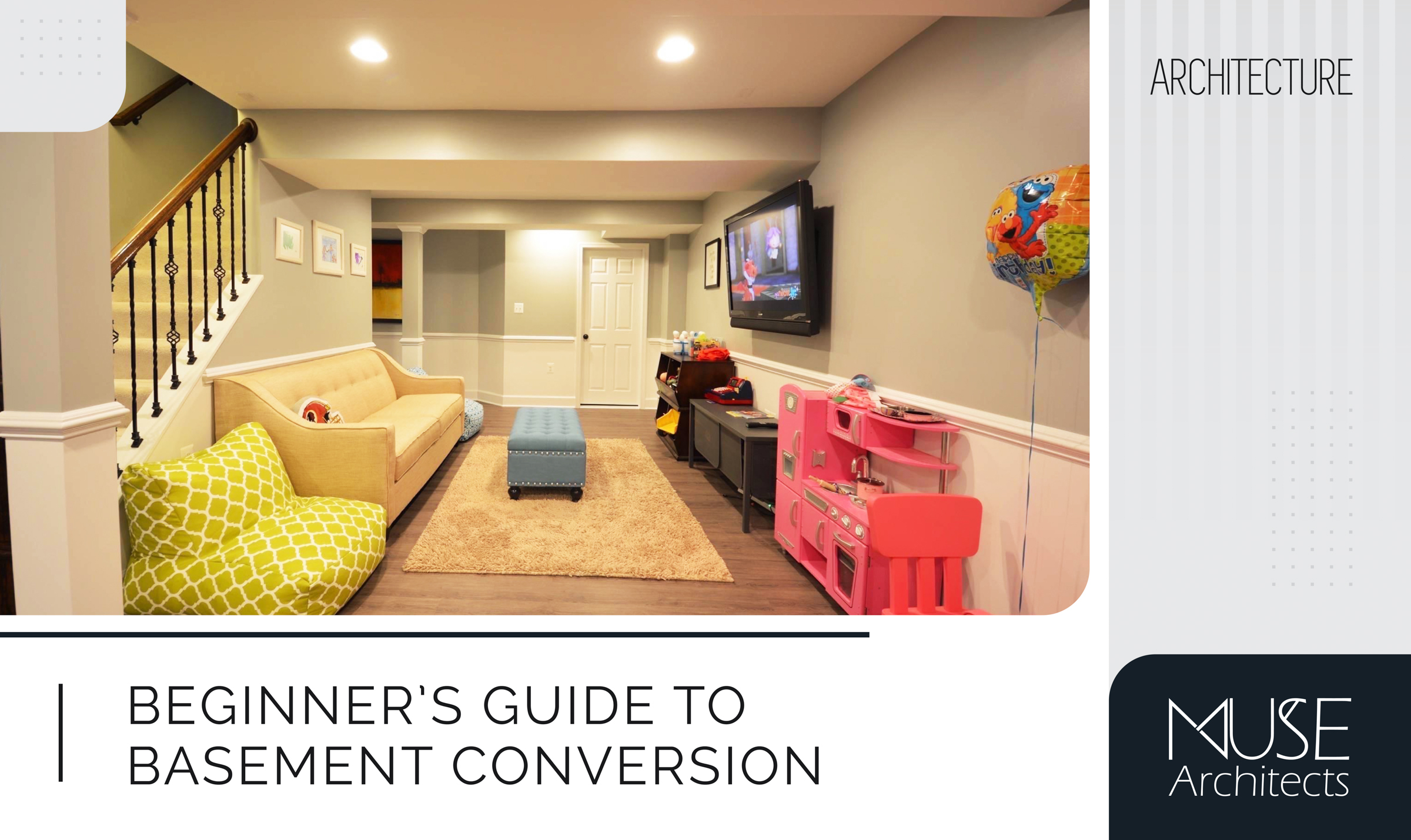
The Ultimate Guide to Basement Conversion Having more space or an extra room has proven to be very useful, which is why basement conversion has become increasingly popular. You can transform an unused basement into a beautiful living space without spending a fortune. However, basement conversion involves several processes, and this guide will cover all of them. How Much Time Does a Basement Conversion Require? The time needed for a basement conversion depends on your requirements and the size of the space you wish to utilise. Converting an existing room in the cellar using a waterproof membrane cavity system typically takes about three weeks, including sump digging and pump installation. However, converting and extending the cellar can take several months. The best time to carry out a basement conversion is during the summer. Planning Permission and Building Regulations Before proceeding with a basement conversion, you need to check with your local authority to determine if planning permission is necessary. 1. Planning Permission for Basements In most cases, planning permission is not required for converting an existing basement or cellar. A simple ‘change of use’ is sufficient. However, if you plan to build a new basement, extend an existing one, or add a light well that alters the exterior appearance of your home, planning permission will be required. 2. Building Regulations for Basements When converting a basement into a living area, you must obtain Building Regulations approval. This ensures that your basement is energy efficient and suitable for habitation. Building Regulations cover aspects such as fire escape routes, heating, ventilation, ceiling height, waterproofing, electrical installations, and water supplies. Basement Conversion Costs You don’t need to spend a fortune to carry out a basement conversion. The costs typically include: Flooring Heating Waterproofing Decorating Lighting Things to Do Before Carrying Out a Basement Conversion Before converting your basement or preparing for waterproofing, consider the following steps: Clear your basement: Remove dirt, dust, and debris. Check the walls: Look for any damage and fill holes or dents before proceeding with the conversion or waterproofing. Heating a Basement To create a comfortable environment in your basement, you must ensure it is adequately heated. Several options are available, depending on your needs and budget: Underfloor heating: This is a popular choice for basement conversions. It is typically installed in screeds over waterproofing membranes, providing even heat distribution across the floor. Radiators: Installing a radiator is another effective heating method. Electric heaters: While plug-in units may not be the most cost-effective option, they can offer a temporary solution. Oil heaters: These are portable and often cheaper than electric heaters. Insulating a Basement Insulating your basement ensures your home is more energy-efficient, helping you save on heating bills while creating a moisture-free, habitable environment. Insulation is usually installed when constructing a new basement rather than retrofitting an old one. Focus primarily on insulating the walls rather than the ceiling. Some affordable insulation options include: Blanket (batt and roll) insulation Foam board insulation Loose-fill insulation Sprayed foam insulation Ventilating a Basement Proper ventilation is essential for converting your basement into a habitable space, allowing fresh air to circulate and reducing humidity. You can achieve ventilation through windows (if available), staircases, fans, vents, and ventilation units. How to Waterproof a Basement To effectively waterproof your basement, you should be familiar with the various waterproofing systems available. The three main types of basement waterproofing systems include: External waterproofing Tanking Cavity drain membranes Conclusion Carrying out a basement conversion can be straightforward and cost-effective if you follow the necessary processes. By utilising the information discussed in this article, you can ensure a smooth and efficient basement conversion.

Eco-Architecture

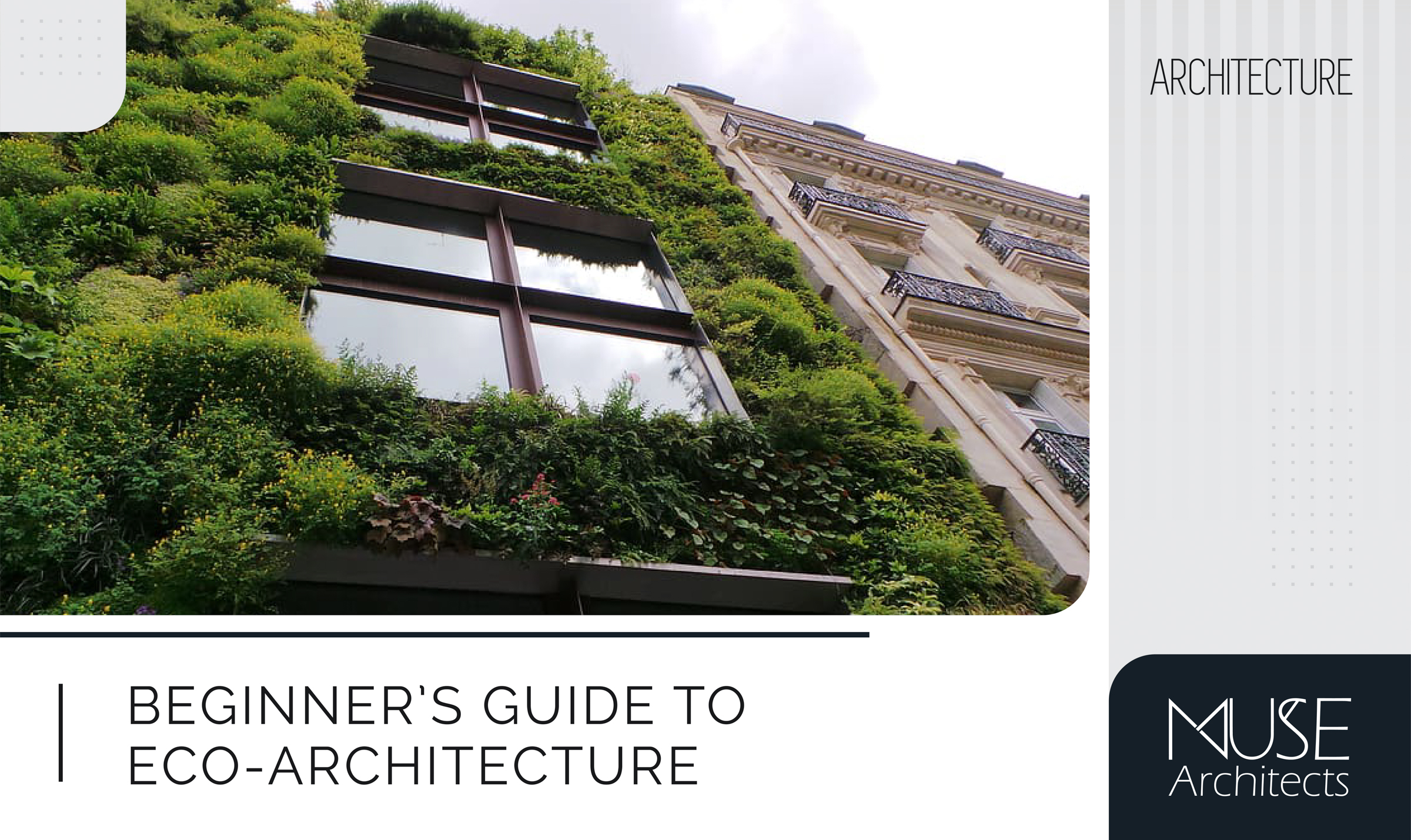
Beginner’s Guide to Eco-Architecture

Understanding Eco-Architecture Eco-architecture refers to the efficient methods by which buildings and their construction sites utilise water, energy, and other materials while minimising their impact on the environment and individual health. However, eco-architecture encompasses more than just the buildings themselves; it also includes planning, environmental considerations, and land utilisation. The way our environment is developing has affected the natural elements around us. To build, design, construct, and maintain the essential buildings we use in society, many of our natural resources often pay the price. Below are the impacts of eco-architecture in both domestic and commercial contexts. Impact of Eco-Architecture in Commercial Buildings Improves Asset Value and Profits: Eco-friendly designs can enhance the value of commercial properties. Increases Productivity: Occupants in eco-architectural spaces often experience higher productivity levels. Economic Growth: Eco-architecture ensures growth and development in economic performance. Reduces Operational Costs: Efficient energy use leads to lower operational costs. Impact of Eco-Architecture in Domestic Context Protects Ecosystems: Eco-architecture helps preserve and enhance biodiversity. Reduces Waste: It contributes to a decrease in waste streams. Preserves Natural Resources: Eco-architecture aims to conserve and restore natural resources. Improves Air and Water Quality: It enhances the quality of air and water in the environment. Enhances Wellbeing: The comfort and wellbeing of individuals are significantly improved. Reduces Resource Load: It alleviates pressure on local resources. Improves Living Quality: Increases the overall quality of life for all individuals. Enhances Indoor Air Quality: Eco-architecture improves air circulation within buildings. Importance of Eco-Architecture Here are the overall benefits of eco-architecture for both nature and humanity: It Saves Costs While planning a building based on eco-architecture may initially be more expensive than traditional methods, it can prove to be a cost-effective option in the long run. The efficient energy plans associated with eco-architecture can lead to substantial savings on electricity bills, potentially reducing total operational and maintenance costs by one-fifth. When you consider the total savings, the initial investment becomes worthwhile. Regulates Temperature With rising global temperatures, eco-architecture helps regulate the environment’s temperature. Buildings with green roofs tend to remain cooler than conventional structures, benefiting occupants. Additionally, eco-architecture can add moisture to the soil, which is especially useful in hot and dry climates. Energy Efficient Eco-architectural buildings are powered by sustainable energy sources such as sunlight, water, and wind, making them more energy-efficient than traditional buildings. This also contributes to better air quality within the building and its surroundings. Improves Health and Wellbeing Residents of eco-architectural buildings enjoy various health benefits due to reduced pollution and enhanced sustainability. Eco-architecture is believed to positively impact the mental health of its occupants. Eco-Architecture Ideas Here are some innovative eco-architecture ideas you can adopt: Use Heating, Ventilation, and Air Conditioning (HVAC): Instead of traditional heating systems and air conditioning, use HVAC systems to manage energy efficiently, save on electricity costs, and regulate indoor temperature. Examples include smart thermostats and mini-split units. Energy Recovery Ventilator (ERV): Implement an ERV to reuse energy within the building. For instance, an ERV can utilise the heat from exhaust ducts to cool incoming air. LED Lighting: Opt for LED lighting to reduce electricity costs and energy consumption. Although LED bulbs may have a higher initial cost, their long-term benefits outweigh the upfront expenses. Conclusion Eco-architecture is an innovative approach that has redefined building practices, positively impacting occupants while minimising environmental effects. The benefits of eco-architecture are numerous, and both humanity and nature stand to gain from this remarkable innovation.

Hiring an architect

7 Questions to Ask Architects Before Starting A Project

Key Questions to Ask Before Hiring an Architect for Your Home Extension Extending your home, designing, and making changes can be exciting but also nerve-wracking, especially for homeowners with little or no experience in such projects. The stakes are high, and the outcome will likely impact your family’s well-being. Hiring an architect for your home extension can cost up to 15%, but an architect can be invaluable, especially when you’re feeling demoralised about making your architectural dreams a reality. They assist with design, request planning permission, acquire reliable builders, monitor progress, and maintain quality throughout the project. After engaging an architect, all project-related matters will be based on your communication with them. It’s essential to make those conversations count to ensure a successful project. Here are seven important questions to ask your architect before commencing the work: 1. Do You Have References? This question is highly recommended by the American Institute of Architects and many other professionals. Hiring an architect with impressive designs is not enough; it’s vital to know about their past clients and contractors. Follow up on provided references and inquire about the architect’s professional relationships, communication levels, and adherence to budgets. This knowledge can help you avoid potential headaches caused by an unreliable architect. 2. What’s Your Fee Structure, and What Can I Expect in Costs? Understanding cost limitations is crucial for achieving quality work. Architects have various fee structures and methods for charging for designs. Be open about your budget and ensure you know all charges before starting the project. Ask about additional costs for any new construction or design amendments to avoid unexpected expenses later. Remember to inquire how often your project might come in under budget. 3. How Long Will the Process Take? Inform your architect about the kind of client you intend to be and the time commitment you can make for the project. Your architect may be working with multiple clients, so it’s essential to understand the timetable involved. Knowing the estimated duration of your project can reduce stress and prepare you for the time commitment required. Your architect might also suggest construction methods that reduce labour needs, helping to expedite the process. 4. What Are the Challenges of My Building Project? Having a clear understanding of your building project is critical, especially if your designs involve unusual shapes, complex pitches, special installations, or zoning restrictions. Your architect should be aware of potential construction and design challenges, as well as necessary city approvals. They may also offer alternative solutions if they foresee specific issues that could slow progress or increase costs. 5. Who’s on My Team? Since many professionals will be involved in your project, it’s important to ask questions like, “Which architect will I communicate with frequently? Who will be working on my project? Who will be designing it?” Establishing a formal introduction to your team can help build a solid rapport. Additionally, find out if your architect has relationships with material suppliers who can provide advice. Knowing who to contact for concerns will facilitate a smoother project. 6. Are You Insured? It’s important to determine whether your architect’s firm is insured, as their solvency is crucial to your project. You want to avoid working with a firm that has legal challenges. Request verification of the firm’s insurance status and ask if any previous clients have made claims against them. 7. What’s Your Role with the Contractor? If you have a contractor in mind, great; if not, your architect can recommend one. Inquire about the contractor’s track record and what role the architect will play in working with them. Architects often provide objective feedback regarding the contractor’s performance.

Property Developers

Working with Property Developers

Working with Property Developers Over the years, the property market has seen significant interest and investment from small to medium professional property developers. People are increasingly recognising that land is an appreciating asset, making it one of the highest Return on Investment (ROI) opportunities available. Real estate developers are individuals and companies that manage all activities involved in transforming ideas on paper into tangible assets (properties). Their responsibilities include buying land, financing real estate deals, and overseeing the development process from start to finish. In this article, I will explain what working with property developers entails. How Do You Work with Property Developers? Property developers, also known as real estate developers, are responsible for turning conceptual ideas into real property. The development process involves various professionals, including civil engineers, land and quantity surveyors, architects, and attorneys. The presence of these professionals highlights the extensive work involved in the development process. What Is Commercial Development? Commercial property developers, or real estate commercial developers, engage in purchasing and leasing commercial investments such as retail centres and industrial facilities. This sector encompasses diverse avenues and methods for generating profits through investments. Commercial property development typically involves three stages: 1. Site Selection and Evaluation Site selection and evaluation are the most critical decisions a property developer will make. The success or failure of a project largely depends on the approach taken during this stage. While many aspects of a commercial property development can be changed, the location cannot. New developers often make the mistake of purchasing cheap properties in non-marketable locations, believing they will eventually realise larger profits. 2. Property Flipping and Development Property flipping, often referred to as merchant development, involves developers who specialise in constructing buildings for near-term resale. Merchant builders typically sell properties shortly after they are completed, often within a year, to minimise the risks associated with long-term asset holding and to realise immediate profits. 3. Creating a Holding Strategy A proper holding strategy is essential for maximising ROI in a well-selected location. Many commercial property developers base their holding strategies on the length of lease terms they can secure. In real estate, longer lease terms often lead to greater patience before considering a sale. What Do Commercial Property Developers Want from Architects? Historically, property developers have not always enjoyed strong relationships with architects. Here are a few key qualities that developers look for before partnering with architects: Professionalism: Developers prefer to work with architects who have experience in the real estate industry. A strong professional rapport is more likely to develop with architects who are knowledgeable and competent. Team Spirit: The ability to collaborate effectively is crucial. The commercial development process requires a collective effort from all parties involved to achieve success. Experience: Practical, hands-on experience as an architect offers a significant advantage when working with property developers in the real estate sector. Conclusion At Muse Architects, we are committed to producing the highest quality, industry-leading designs for new build and refurbishment developments in both the residential and commercial sectors. Whether you are looking to unlock the potential value of land before acquisition, build an iconic new luxury apartment or mixed-use development, or provide essential new housing through a multi-unit residential scheme, our expert architects will maximise the gross development value of any site. We ensure the best possible return on investment while effectively managing the entire process.

RIBA Chartered Practices

Muse Architects is now a RIBA Chartered Practice

Muse Architects Achieves RIBA Chartered Practice Status Muse Architects is pleased to announce that we are now a RIBA Chartered Practice. RIBA Chartered Practices are required to meet strict criteria to ensure the highest level of quality, which is the hallmark of the Royal Institute of British Architects. Achieving this status demonstrates Muse Architects’ commitment to quality, and we are delighted to reach this milestone. We maintain a high level of control over our work and have a written statement on all policies, which is available upon request. As an RIBA Chartered Practice, we are required to: Employ a minimum number of individual RIBA Chartered Architects Maintain appropriate Professional Indemnity Insurance Operate an effective Quality Management system Implement Health and Safety policies Operate Environmental Management policies Uphold Equality, Diversity, and Inclusion policies Conduct ourselves in accordance with the RIBA Code of Practice About Muse We are your Residential and Commercial Architects. At Muse Architects, we offer a wide range of local architectural services to clients in Manchester and beyond. From building control in Manchester to office design project management, our team of experienced architects has the skills and expertise to handle any project. Whether you’re looking for commercial building architects or residential architects near you, we’re here to help. As local architects, we understand the unique challenges and opportunities of designing buildings in Manchester. We specialise in Manchester residential architect services and work closely with clients to create beautiful, functional spaces. Our 3D property visualisation services, including 3D visualisation for city planning and interior design, are designed to help you bring your vision to life. Contact us today to learn more about how Muse Architects can help you achieve your architectural goals. For more information about the RIBA and working with an architect, please visit: www.architecture.com/working-with-an-architect.
architecture and Mental health

Good Architecture Improves Mental Health

The Effects of Architecture and Interior Design on Mental Health Architects and interior designers are increasingly recognising that architectural and interior designs can significantly affect mental health. This emerging field, known as neuro-architecture, explores how environments can positively influence the mental well-being of their inhabitants. In this post, we will examine the effects of architectural planning and interior design on mental health. The Effects of Good Architectural Planning on Humans Our senses, thoughts, emotions, and daily actions are all interconnected with our environment. The air we breathe, the quality of light, noise levels, and overall interior design play crucial roles in our mental state. Understanding these interactions can help create spaces that enhance mental health and well-being. Create Calm Areas In a chaotic world, your home should be a sanctuary of calm. Design spaces that minimise digital distractions and promote tranquillity. Allow Enough Light Natural light is vital for maintaining your body’s natural rhythms. Daylight is more beneficial than electric light, so consider window placement, furniture layout, and shading in your architectural plans. Position large windows in frequently used rooms and, if you work from home, place your desk near a window to maximise natural light. Be Minimal While embracing daylight is essential, it’s also important to manage light and darkness effectively. Ensuring the right amount of darkness at night can positively impact your mood and sleep patterns. Keep screens out of your bedroom to promote better sleep. Shut Out the Noise Sound can affect your mood and concentration. Regulate noise in your home by placing doors on rooms where you need quiet, and use soft furnishings and artwork to absorb sound. Connect with Natures thrive on interaction with nature. Studies show that patients with views of nature recover more quickly than those without. Incorporate large windows for natural views, and consider adding water features like fountains or ponds to enhance your connection with the natural world. Clear the Clutter Clutter can lead to overstimulation and distraction. Plan for effective storage solutions when designing your home, and declutter regularly to maintain a peaceful environment. Conclusion Your mental health and well-being are vital, and the architecture and design of your home play significant roles in this. Your home should serve as a relaxing retreat after a long day and a conducive space for productivity if you work from home. By incorporating thoughtful architectural and interior design elements, you can positively impact your mental health. Remember, health is wealth, and that includes your mental well-being. For further information on this topic, visit the RIBA website: Mental Health and Architecture. Additionally, we recommend the book Happy by Design by Ben Channon, which you can find here.

COVID-19 pandemic

Architecture and The New Norm Post-COVID 19

Designing for a Post-COVID World By Mo Muse For a generation that has never experienced a global crisis affecting every aspect of our lives, terms like self-isolation, vaccination, herd immunity, and social distancing have suddenly become part of our daily vocabulary. As designers, we are left wondering: what comes after the COVID-19 pandemic? How do we design for this new reality, and where do we begin? The challenges we face today have never been more pronounced. In just a few weeks, COVID-19 has become a horror story reminiscent of films like Wolfgang Petersen’s Outbreak (1995) and Steven Soderbergh’s Contagion (2011). I often find myself questioning the state of the world and what we, as designers, can do to help. While sustainability, global warming, and pollution have long been concerns, this crisis has intensified our need to reflect on our use of natural resources. However, I believe it is time to take a step back and evaluate things rationally. Every problem has a solution, and every obstacle can be designed around. The pressing question for those of us in the built environment is how we can leverage smart design and technology to mitigate the risks associated with the COVID-19 pandemic. The Importance of Community As humans, we do not live in isolation. Our actions affect others, and we are all interconnected. We have repeatedly shown our ability to adapt and innovate in the face of challenges. Throughout history, humans have redesigned cities and buildings to cope with crises, and the COVID-19 pandemic is no different. Historical Context Historically, urban redesign has responded to health crises. For example, in 1853, Georges-Eugène Haussmann was commissioned to redesign Paris, improving environmental hygiene and living conditions. His work brought light and air to the city, creating public spaces and ensuring access to clean water. If a person dedicates enough energy to finding solutions, they can achieve remarkable goals. In architecture, design solutions must aim to improve the quality of life and cultural experiences of residents. The post-COVID-19 architecture must prioritise human comfort and happiness in all structures, whether they are airports, offices, or homes. Key Principles for Future Design As architects and designers, we should establish key principles when designing our environments post-pandemic. These include: Energy Efficiency: Buildings should be energy-generating and self-sufficient, using low-carbon materials and maintaining low running costs. Projects like BedZED demonstrate the viability of energy-efficient living. Zero Waste and Water Waste: Implementing zero waste principles protects health and promotes sustainability. Encouraging communities to reuse and recycle is essential. Multipurpose Adaptable Spaces: The modern lifestyle demands adaptable spaces that can serve multiple functions. Examples include The Forks in Winnipeg, which combines various activities in a single public area. Urban Farming: The pandemic highlighted vulnerabilities in our supply chains. Encouraging local food production through urban farming can enhance self-sufficiency and resilience. Smart Materials: Using innovative materials like Totomoxtle and Dekton can enhance health and comfort while reducing environmental impact. Human-Centred Phenomenological Architecture: As we spend more time indoors, it’s crucial to create meaningful and rich experiences in our living spaces, drawing on concepts from phenomenology to enhance our interaction with environments. Mental Health Principles in Architecture: There is growing awareness of how architecture impacts mental health. Buildings should foster happiness and productivity, as discussed in Ben Channon’s book Happy by Design. Movement and Travel The pandemic has transformed our understanding of travel for work and leisure. As many companies adopt remote work, we must consider how we will travel in a post-COVID world. High population density, while efficient, poses challenges for public health during pandemics. Designing density transition zones can help manage population density while optimising the use of existing services. This approach allows for sustainable growth without sacrificing comfort. Conclusion The COVID-19 pandemic may not be the last natural disaster we face, but it has opened our eyes to new ways of living and thinking. The challenges we encounter lead to innovative solutions, and we must adapt our designs to support a future that prioritises human well-being. As architects, our role is to ask the right questions, explore design options, and create environments that enhance lives. The path forward involves embracing sustainability, energy efficiency, and flexible design to add value to our clients’ investments and improve our cities.

Select the fields to be shown. Others will be hidden. Drag and drop to rearrange the order.
  • Image
  • SKU
  • Rating
  • Price
  • Stock
  • Availability
  • Add to cart
  • Description
  • Content
  • Weight
  • Dimensions
  • Additional information
Click outside to hide the comparison bar
Compare