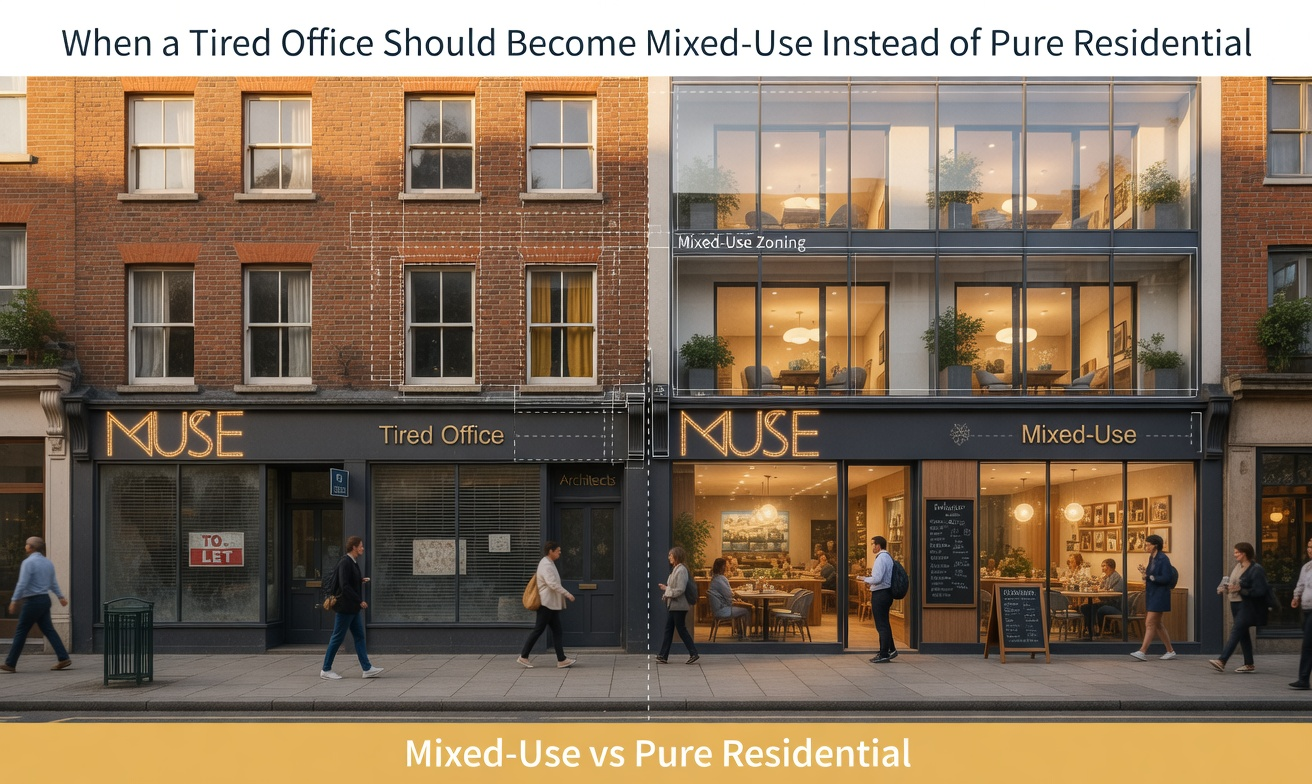
When a Tired Office Should Become Mixed-Use Instead of Pure Residential
Residential isn’t always the best answer for town-centre assets
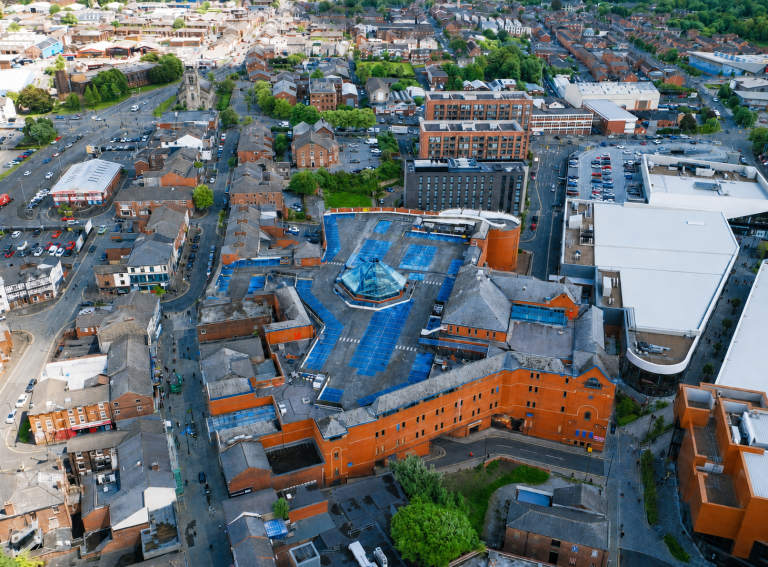
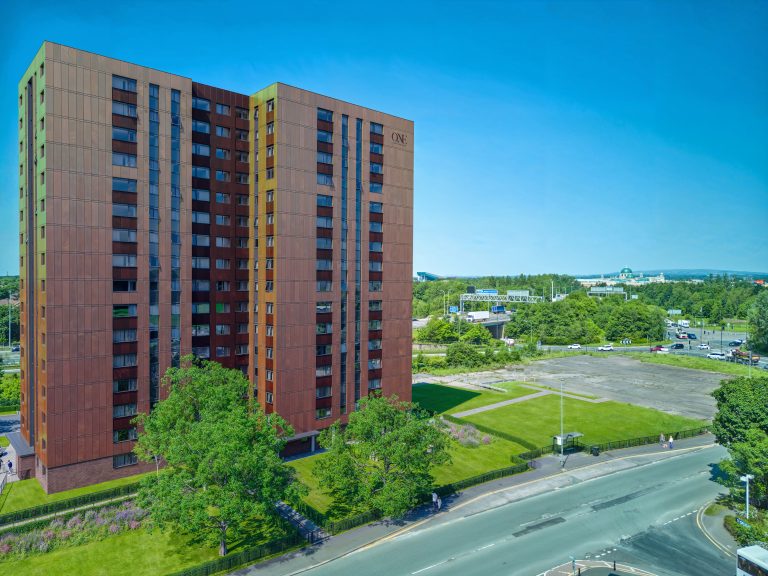
In many town centres, the default approach to underperforming office buildings is simple: convert everything to residential.
It feels like the safest route. A clear planning pathway, a familiar exit strategy, and a widely accepted model.
But in reality, this approach often leaves value on the table.
Because in the right context, a mixed-use strategy—combining active commercial space with residential or alternative upper-floor uses—can significantly outperform a pure residential conversion.
More importantly, town-centre assets are rarely one-dimensional. Their value is often tied to their relationship with the street, surrounding businesses, and local activity. Ignoring this context by forcing a single-use residential scheme can limit both planning potential and long-term commercial performance.
Where Mixed-Use Creates Stronger Value
Not all buildings are suited to full residential conversion, particularly in active town-centre locations where street presence and footfall matter.
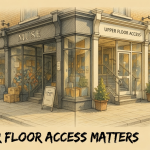
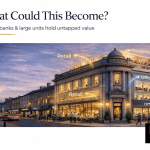
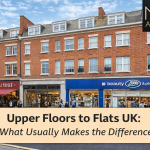
Mixed-use schemes work best where the ground floor can support commercial activity, while upper floors are repurposed more flexibly.
This typically includes:
- Active frontage at street level (retail, café, clinic, or workspace)
- Residential, studio, or office use above
- Strong visual and functional connection to the high street
- Buildings located in areas with consistent pedestrian activity
By retaining commercial use at ground level, the scheme contributes to the local economy while unlocking additional value above.
From a commercial perspective, this approach allows developers to maximise both visibility and income potential. Ground-floor activity enhances the building’s presence and desirability, while upper floors generate additional yield—creating a more balanced and resilient asset.
Planning Logic: Why Councils Often Support Mixed-Use
Planning policy in town centres is rarely centred on residential use alone. In most cases, local authorities actively promote mixed-use development to sustain economic activity, enhance urban vitality, and strengthen high street performance.
This means that proposals combining commercial and residential elements are often viewed more favourably—particularly where they contribute to an active and engaging street environment.
From a planning perspective, successful schemes are assessed based on:
- Protection of active frontages in key locations
- Maintaining street-level engagement and footfall
- Clear and separate access for different uses
- Servicing and operational logistics
- Overall contribution to urban quality
From a commercial standpoint, aligning with planning policy is not just about securing approval—it directly influences long-term performance. Schemes that retain active frontage while introducing residential above tend to achieve stronger tenant demand, improved rental resilience, and better integration with the town centre.
For further guidance, refer to the Planning Portal, which explains how mixed-use and town-centre policies are applied in practice.
The Commercial Advantage: Diversified Income
One of the biggest advantages of mixed-use development is risk diversification.
A purely residential scheme depends entirely on one income stream—sales or rentals. If the market shifts, the entire project becomes exposed.
Mixed-use fundamentally changes this dynamic.
It allows developers and landlords to:
- Retain income-generating commercial space
- Introduce residential or flexible uses above
- Balance long-term rental income with capital growth
- Reduce reliance on a single exit strategy
In many cases, a strong commercial tenant at ground level can stabilise the asset, while upper floors provide additional yield.
This layered income approach not only reduces risk but also enhances asset value over time, making mixed-use schemes particularly attractive to long-term investors and family offices.
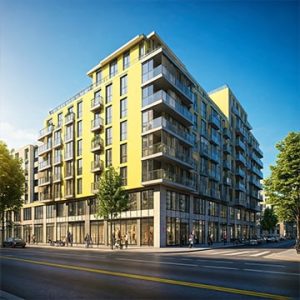
Why Full Residential Can Underperform in Town Centres
Converting an entire building to residential may appear efficient, but in town-centre locations it often creates missed opportunities.
Removing commercial frontage weakens street activity and disconnects the building from its surroundings. Over time, this can reduce both appeal and value.
Common issues include:
- Reduced long-term asset performance
- Weak alignment with planning policy
- Lower desirability in active locations
- Loss of valuable commercial income
In many cases, full residential conversion does not maximise the building’s potential—it limits it.
The Smarter Strategy: Hybrid Thinking
The most successful developers do not apply a one-size-fits-all approach. Instead, they assess how different uses can work together to maximise performance.
This means thinking strategically:
- What works best at street level?
- What use suits upper floors most efficiently?
- How can uses coexist without conflict?
- Where does the building naturally create value?
Every building has its own logic, shaped by its layout, location, and context. By testing multiple use scenarios early, developers can identify strategies that deliver stronger financial outcomes rather than simply following market trends.
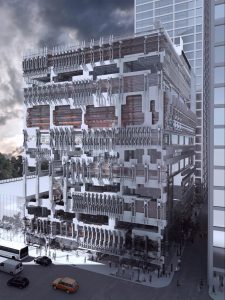
How Muse Architects Identifies Hybrid Opportunities
At Muse Architects, the focus is not on defaulting to residential or any single use—it is on identifying the best-performing strategy for each asset.
Through early feasibility and strategic analysis, we test multiple scenarios to determine whether a building performs better as a mixed-use scheme.
This includes:
- Evaluating commercial vs residential potential
- Assessing planning policy and frontage requirements
- Testing layout options across different uses
- Identifying opportunities for income diversification
Explore our architecture and feasibility services: Musearchitects.co.uk/services
Learn more about change of use strategy and planning advice: Musearchitects.co.uk/change-of-use
Read latest insights on office conversions: Musearchitects.co.uk/blog
The Bottom Line
Not every office building should become fully residential.
In town-centre locations, mixed-use often delivers stronger planning alignment, better integration with the high street, diversified income, and higher long-term value.
The real opportunity is not choosing the obvious route.
It is choosing the right combination of uses.
Call to Action
Before committing to a full residential conversion, take a step back and evaluate the bigger opportunity.
Ask us whether your town-centre office is better as a hybrid asset rather than a full conversion.
That one decision could unlock significantly more value from the same building.
FAQs
What is mixed-use development?
A combination of commercial and residential uses within the same building to maximise value.
Why is mixed-use better in town centres?
It supports active frontage, aligns with planning policy, and enhances long-term value.
Does mixed-use reduce risk?
Yes, by diversifying income streams and reducing reliance on one market.
Is planning easier for mixed-use?
Often yes, especially in locations where councils support active frontage.
How can I assess if my building suits mixed-use?
Through early feasibility studies testing multiple use strategies.