Muse Architects

questions to ask an Architect

Seven Questions Property Developers Should Ask Their Architects

Every property developer must understand the process of hiring an architect that is perfect for their budget, timeline and project design. Here are few of the main questions you should ask us or any other Architect: Top 7 questions to ask an Architect:  1. Do You Have References? This is an important question to ask an architect before he is hired. It is not sufficient to engage an architect because you love his designs. It would be best if you asked your architect about his past clients and contractors he had worked with and then check out the references given. Please find out how he conducts his professional relationships. From the onset, you must make sure you are working with a reputable company to prevent unforeseen situations that may transpire during the project 2. How Can I Be Involved in The Process? If you are not sure to what extent and how you can be involved with your architectural company in the project, you need to ask your architect. When developers have a thorough understanding of the timelines and workflow, they can send certain updates and documents to be reviewed at a certain timeline to help the architect achieve the desired results. 3. Do You Remain Involved During the Construction Process? You need to find out if and to what extent your architect will be involved during the project. Your architect will have different levels of participation during the construction process, depending on your needs. In some cases, project designs are handed over to the developer at completion with no further engagement. In contrast, some projects need the architect\’s supervision to perfect the construction process to achieve the desired results. 4. What Is the Scheduled Timeline for My Project? It is important to set achievable timelines for design and construction projects to have an uninterrupted construction process. Ask your architect when he is ready to commence on your project and how long it will take to complete it 5. How Do You Charge? What Is and Is Not Included in Your Fees? Though fees are not the most important factor to be considered when choosing an architect, architectural service fees can sometimes be difficult to understand. It is therefore important that developers comprehend the architect’s fee structure before they sign building contracts. Architects often use four methods to estimate their service fees, including time spent, specified amount, percentage of the project\’s cost, and based on the project’s square footage. Since different architectural companies offer various service levels, it is therefore important to know what is included and not included in your contract. For instance, service levels may include builders sets, design/build, and full service, whereby each has its advantages and disadvantages. Making the right choice involves looking at your budget, the project\’s scope, and the level of involvement. 6. What Skillset Do You Have Working in My Area? Since different cities and counties have different design guidelines, the time needed to obtain a development permit also offers. Some cities and counties have strict design guidelines, and a design assessment committee must endorse new projects before construction can begin. Ask your architect if he has experience working in the area. 7. How Can We Reduce the Environmental Impact? Nowadays, architectural companies are willing to work with you to design environmentally friendly and sustainable projects. It is most likely that such companies will integrate low-cost sustainable design into your project. If you are enthusiastic about environmentally friendly designs, ask your architect about the type of design he has experience with and what might be the advantages and disadvantages if you choose to embark on such a project. So, these are the important questions to ask an Architect. About Muse We are your Residential and Commercial Architects: At Muse Architects, we offer a wide range of local architectural services to clients in Manchester and beyond. From building control in Manchester to office design project management, our team of experienced architects has the skills and expertise to handle any project. Whether you’re looking for commercial building architects or residential architects near you, we’re here to help. As a local architect near you, we understand the unique challenges and opportunities of designing buildings in Manchester. We specialise in Manchester residential architect services and work closely with clients to create beautiful, functional spaces. Our 3D property visualisation services, including 3D visualisation for city planning and interior design, are designed to help you bring your vision to life. Contact us today to learn more about how Muse Architects can help you achieve your architectural goals.

Property Developers

Working with Property Developers

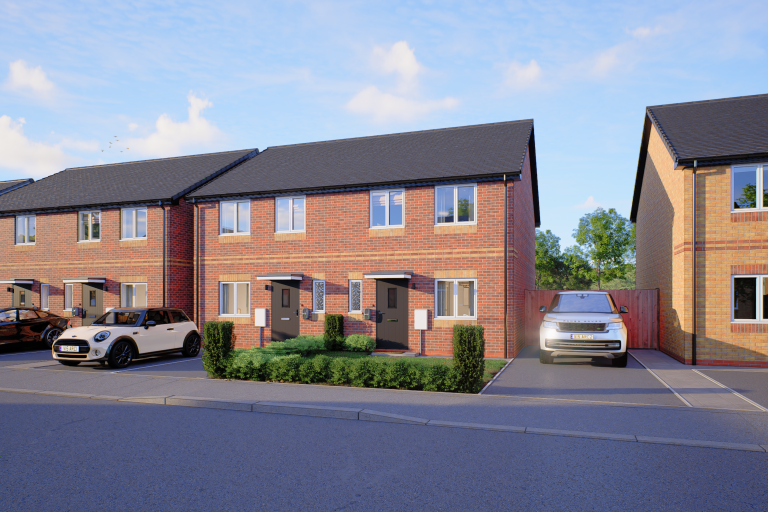
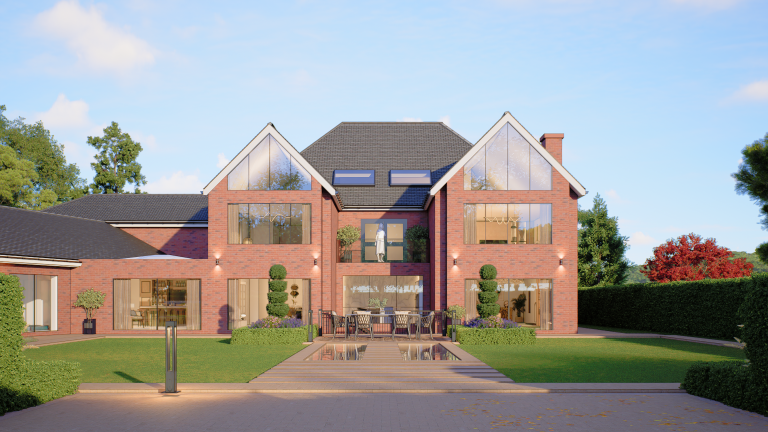
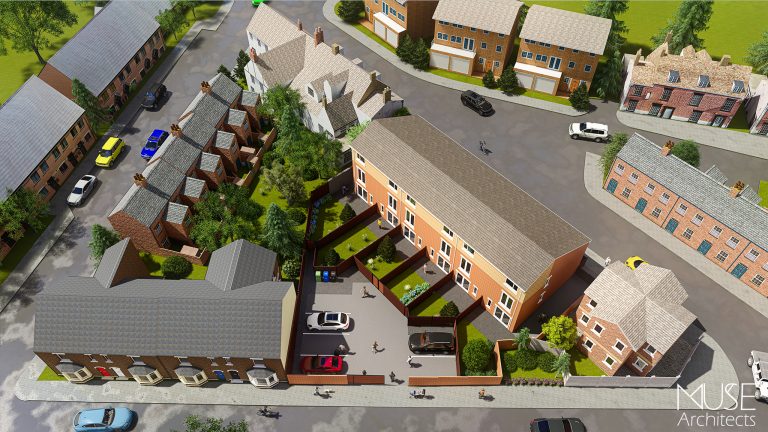
Working with Property Developers Over the years, the property market has seen significant interest and investment from small to medium professional property developers. People are increasingly recognising that land is an appreciating asset, making it one of the highest Return on Investment (ROI) opportunities available. Real estate developers are individuals and companies that manage all activities involved in transforming ideas on paper into tangible assets (properties). Their responsibilities include buying land, financing real estate deals, and overseeing the development process from start to finish. In this article, I will explain what working with property developers entails. How Do You Work with Property Developers? Property developers, also known as real estate developers, are responsible for turning conceptual ideas into real property. The development process involves various professionals, including civil engineers, land and quantity surveyors, architects, and attorneys. The presence of these professionals highlights the extensive work involved in the development process. What Is Commercial Development? Commercial property developers, or real estate commercial developers, engage in purchasing and leasing commercial investments such as retail centres and industrial facilities. This sector encompasses diverse avenues and methods for generating profits through investments. Commercial property development typically involves three stages: 1. Site Selection and Evaluation Site selection and evaluation are the most critical decisions a property developer will make. The success or failure of a project largely depends on the approach taken during this stage. While many aspects of a commercial property development can be changed, the location cannot. New developers often make the mistake of purchasing cheap properties in non-marketable locations, believing they will eventually realise larger profits. 2. Property Flipping and Development Property flipping, often referred to as merchant development, involves developers who specialise in constructing buildings for near-term resale. Merchant builders typically sell properties shortly after they are completed, often within a year, to minimise the risks associated with long-term asset holding and to realise immediate profits. 3. Creating a Holding Strategy A proper holding strategy is essential for maximising ROI in a well-selected location. Many commercial property developers base their holding strategies on the length of lease terms they can secure. In real estate, longer lease terms often lead to greater patience before considering a sale. What Do Commercial Property Developers Want from Architects? Historically, property developers have not always enjoyed strong relationships with architects. Here are a few key qualities that developers look for before partnering with architects: Professionalism: Developers prefer to work with architects who have experience in the real estate industry. A strong professional rapport is more likely to develop with architects who are knowledgeable and competent. Team Spirit: The ability to collaborate effectively is crucial. The commercial development process requires a collective effort from all parties involved to achieve success. Experience: Practical, hands-on experience as an architect offers a significant advantage when working with property developers in the real estate sector. Conclusion At Muse Architects, we are committed to producing the highest quality, industry-leading designs for new build and refurbishment developments in both the residential and commercial sectors. Whether you are looking to unlock the potential value of land before acquisition, build an iconic new luxury apartment or mixed-use development, or provide essential new housing through a multi-unit residential scheme, our expert architects will maximise the gross development value of any site. We ensure the best possible return on investment while effectively managing the entire process.

planning process

Planning Permission – How long will it take?

Understanding the UK Planning Process and Housing Crisis If you’re wondering how long the planning process takes, here’s a quick answer: typically, it takes around 8 weeks for household applications with minor proposals, or about 13 weeks for medium developments. However, for large applications, especially those subject to an Environmental Impact Assessment or significant size, the timeline can extend to around 16 weeks. These are general guidelines; in practice, delays are common. The UK faces more serious planning challenges regarding housing than any other country. The housing crisis is not a short-term issue or merely a consequence of the financial crisis; it has persisted for over 45 years, leading to rapid increases in house prices—faster than any OECD country. This crisis has resulted in a significant and growing housing deficit, with 40% of newly built homes considered smaller than those in other densely populated European countries. In the Greater London Area (GLA), average prices have risen by £65,200 annually since March 2015. In recent years, capital gains for average London homeowners have surpassed those for renters, pushing lower-income individuals out of the city. This crisis has also led to a consistent decline in employment in inner London since 2011. While the UK planning office is working on solutions, the issues remain. In this post, I will outline the various challenges and the government’s ongoing solutions. The Flaws in the Current System The UK housing policy is constrained by three key factors: Development Control System: The UK operates a development control system that is inherently driven to limit development. Unlike the rule-based zoning system used in most of the world, any alteration or change of land use requires development control permission at the local level. This process is complicated by Section 106 agreements, which necessitate extensive negotiations between local authorities and architects. Inadequate Local Revenue: Local authorities receive insufficient revenue to support residential development. The situation is exacerbated by an equalisation system that offers little benefit to local authorities from permitting development while they bear the burden of local congestion. Restrictions Since 1947: Since the Town and Country Planning Act of 1947, residential development has been continuously constrained. Solutions in Progress to Combat the Housing Crisis Help to Buy Scheme: The government has initiated various Help to Buy schemes (HtB) to stimulate housing demand and generate new housing supply. However, these goals have not been met; housing prices rose by 25.8% between 2013 and 2014 following the first HtB launch. The supply of residential properties has failed to keep pace, and home ownership continues to decline. The HtB system places much of the risk on the government through guarantee schemes, while homebuyers bear the remaining risk. Tight Local Planning Constraints: The Barker Review (2003) highlighted that housing supply does not respond to shifts in demand. Increased earnings and population without corresponding construction lead to rising house prices. A study published in the Economic Journal by Wouter Vermeulen examined the impact of three local constraints on house prices: planning-induced, scarcity of developed land, and topographical constraints. The research indicated that between 1974 and 2008, house prices could have decreased significantly if these constraints were fully relaxed, with the scarcity of developed areas particularly affecting highly urbanised regions like the GLA. Benefits and Costs Analysis: The planning system impacts both benefits and costs. While there are substantial potential benefits in addressing market flaws, the UK planning system tends to prevent, preserve, and protect even in the absence of actual market failures, often overlooking the costs that may overshadow the benefits. Conclusion The UK planning process presents a complex mix of challenges and advantages. Unfortunately, the ongoing crisis currently outweighs the benefits of the planning system. While solutions are in place, they have not proven very effective. It is essential to recognise that this situation has developed over 45 years and will require significant time and effort to resolve fully. About Muse We are your Residential and Commercial Architects At Muse Architects, we offer a wide range of local architectural services to clients in Manchester and beyond. From building control in Manchester to office design project management, our team of experienced architects has the skills and expertise to handle any project. Whether you’re looking for commercial building architects or residential architects near you, we’re here to help. As local architects, we understand the unique challenges and opportunities of designing buildings in Manchester. We specialise in Manchester residential architect services and work closely with clients to create beautiful, functional spaces. Our 3D property visualisation services, including 3D visualisation for city planning and interior design, are designed to help you bring your vision to life. Contact us today to learn more about how Muse Architects can help you achieve your architectural goals.

RIBA Chartered Practices

Muse Architects is now a RIBA Chartered Practice

Muse Architects Achieves RIBA Chartered Practice Status Muse Architects is pleased to announce that we are now a RIBA Chartered Practice. RIBA Chartered Practices are required to meet strict criteria to ensure the highest level of quality, which is the hallmark of the Royal Institute of British Architects. Achieving this status demonstrates Muse Architects’ commitment to quality, and we are delighted to reach this milestone. We maintain a high level of control over our work and have a written statement on all policies, which is available upon request. As an RIBA Chartered Practice, we are required to: Employ a minimum number of individual RIBA Chartered Architects Maintain appropriate Professional Indemnity Insurance Operate an effective Quality Management system Implement Health and Safety policies Operate Environmental Management policies Uphold Equality, Diversity, and Inclusion policies Conduct ourselves in accordance with the RIBA Code of Practice About Muse We are your Residential and Commercial Architects. At Muse Architects, we offer a wide range of local architectural services to clients in Manchester and beyond. From building control in Manchester to office design project management, our team of experienced architects has the skills and expertise to handle any project. Whether you’re looking for commercial building architects or residential architects near you, we’re here to help. As local architects, we understand the unique challenges and opportunities of designing buildings in Manchester. We specialise in Manchester residential architect services and work closely with clients to create beautiful, functional spaces. Our 3D property visualisation services, including 3D visualisation for city planning and interior design, are designed to help you bring your vision to life. Contact us today to learn more about how Muse Architects can help you achieve your architectural goals. For more information about the RIBA and working with an architect, please visit: www.architecture.com/working-with-an-architect.
Do I Need Planning Permission

Do I Need Planning Permission?

Navigating Planning Permission for Your Property Extension Obtaining planning permission to extend your property into your dream home can be frustrating, given the various procedures involved. Planning regulations are complex, and if not carefully understood, they can lead to pitfalls. It’s essential to know that you need planning permission for major architectural changes to your UK building, as well as for erecting new structures. Failure to secure the necessary planning permission can result in an enforcement notice, requiring you to remove any changes made. Understanding the ins and outs of planning permission and the types of changes it affects is crucial, although this can be daunting for many. In this post, I will outline the building projects that require a permit and how the process of obtaining one in the UK typically flows. Changes and Their Planning Permission Requirements Generally, significant changes to a building’s architecture will necessitate obtaining a permit. However, some major changes aimed at improving the building do not require permission. Below are common changes and their requirements: Extensions If you plan to add an extension to your home, this is usually considered permitted development. However, the extension must not cover more than half the land around the original house (curtilage) and must not exceed the height of the existing roof. Specifically, the extension shouldn’t be more than eight metres for a detached house and six metres for other houses above the rear wall. Additionally, the materials used should match the appearance of the existing house. Garages and Outbuildings Extensions to garages, sheds, greenhouses, and other outbuildings are generally considered permitted development. You can extend these structures without requesting planning permission, as long as the extension does not exceed four metres in height and does not cover more than half the land. Paving Over Garden You do not require planning permission for paving your garden, regardless of size, as long as non-porous materials are not used. However, if impermeable materials cover more than five square metres, planning permission will be needed. Doors and Windows Repairing or replacing windows or doors typically does not require planning permission. However, if your property is listed, you will need listed building approval and building control approval for window changes. External Walls and Roof Minor repairs or modifications to your walls and roof, such as painting or fixing a skylight, do not require planning permission. However, if you live in a conservation area or an area with significant vegetation, you will need permission to make changes. Wind Turbines and Solar Panels Temporary wind turbines do not require planning permission, but permanent installations do. The installation of solar panels generally does not require a permit. Fences, Gates, and Walls Extensions to fences, walls, or gates usually require planning permission, especially if changes are over one metre close to the road or two metres away from a boundary with a listed building. Trees and Hedges Trees and hedges are protected by tree preservation orders, meaning you will need permission to trim them, especially in conservation areas. However, you can reduce a hedge if it becomes a nuisance without needing permission. Indoors Most interior renovations, such as garage conversions, new staircases, bathrooms, kitchens, or rewiring, do not require planning permission. How to Get Planning Permission Planning permission can be a significant hurdle for homeowners. According to the Annual Homeowner Survey conducted in 2019, 27% (4.7 million people) experienced issues relating to planning permission while trying to renovate their homes. To avoid setbacks, consult a good planning advisor to understand local planning restrictions, targets, and priorities. They can help tailor your design to meet legal requirements. Alternatively, you can schedule an appointment with your local planning authority before submitting your application. Bring your proposal, including current floor plans and the proposed new design. During the meeting, seek feedback on your plan, ask about potential issues such as traffic and noise, and discuss site-specific matters like roads, footpaths, watercourses, sewers, and telephone lines. Conclusion Obtaining planning permission can be challenging, but by following the correct procedures, you can save yourself considerable trouble in the long run. Ensuring your planning drawings are accurate in scale and clearly demonstrate how the extension will affect its surroundings is crucial for a smooth approval process.

Planning Permission Process

Planning Application Process Explained

Understanding the Planning Permission Process If you want to carry out development, you need planning permission. The department responsible for the approval of development is your Local Planning Authority (LPA). To obtain permission, you must submit an application to your LPA. Interestingly, not all developments require planning permission. Let’s explore the planning permission process. Developments That Do Not Require Planning Permission Typically, minor changes to residential buildings may not require planning permission. If you’re unsure whether your intended development needs permission, visit your LPA’s website for clarification. In this article, we will outline the steps involved in the planning application process. Who Can Apply? You can apply for planning permission yourself, or you can appoint a planning consultant, architect, or surveyor to do it for you. This is advisable because detailed plans are required for the application, and a professional is best suited for this task. You can also apply for planning permission for land you do not yet own. However, it’s recommended that you establish an agreement with the landowner to purchase or lease the land before applying to prevent others from using the planning permission you have worked to obtain. When filling out a planning application form, you will need to sign different certificates depending on land ownership: Certificate A: If you are the sole owner of the land. Certificate B: If you are not the landowner but know all the owners. Certificate C: If you know some, but not all, of the landowners. Certificate D: If you do not know any of the landowners. How to Apply To apply, you need to fill out the planning permission application form, which you can obtain from the LPA website. Applications are submitted electronically through the Planning Portal or the LPA’s website. After submitting your application, your LPA must determine if it contains all the necessary plans and documents for evaluation. Once your application is certified as valid, the local authority will send you or your representative a formal acknowledgement, including a reference number for your application. It typically takes at least eight weeks for your local authority to grant or reject your application. For major applications, this process may take 13 to 16 weeks. After applying, the local authority will inform the public by advertising in newspapers, notifying neighbours, and placing a notice at the site. Before making a decision, the LPA needs to consult various agencies and bodies, such as the Highways Agency and the Parish Council. What Are The Planning Conditions? If your planning permission application is granted, it will often come with conditions. Common conditions may require you to commence work within a specified timeframe. All conditions imposed by your local authority must be justified concerning their relevance to planning and development. What to Do If Your Application Is Rejected If your application is disapproved, it is often because the proposal does not comply with planning policies. Your local authority will issue a refusal notice stating the valid reasons for the rejection and how it conflicts with planning policies. In this case, you can modify your application and resubmit it. If you resubmit your modified application within 12 months of the previous decision, you will not need to pay another application fee. However, if you wish to appeal the decision, you can do so within six months of the initial decision. The Planning Inspectorate handles such cases. Conclusion The process of applying for planning permission can be lengthy. However, with this article as a guide, you can better understand the application process and how to navigate any potential challenges.

architecture and Mental health

Good Architecture Improves Mental Health

The Effects of Architecture and Interior Design on Mental Health Architects and interior designers are increasingly recognising that architectural and interior designs can significantly affect mental health. This emerging field, known as neuro-architecture, explores how environments can positively influence the mental well-being of their inhabitants. In this post, we will examine the effects of architectural planning and interior design on mental health. The Effects of Good Architectural Planning on Humans Our senses, thoughts, emotions, and daily actions are all interconnected with our environment. The air we breathe, the quality of light, noise levels, and overall interior design play crucial roles in our mental state. Understanding these interactions can help create spaces that enhance mental health and well-being. Create Calm Areas In a chaotic world, your home should be a sanctuary of calm. Design spaces that minimise digital distractions and promote tranquillity. Allow Enough Light Natural light is vital for maintaining your body’s natural rhythms. Daylight is more beneficial than electric light, so consider window placement, furniture layout, and shading in your architectural plans. Position large windows in frequently used rooms and, if you work from home, place your desk near a window to maximise natural light. Be Minimal While embracing daylight is essential, it’s also important to manage light and darkness effectively. Ensuring the right amount of darkness at night can positively impact your mood and sleep patterns. Keep screens out of your bedroom to promote better sleep. Shut Out the Noise Sound can affect your mood and concentration. Regulate noise in your home by placing doors on rooms where you need quiet, and use soft furnishings and artwork to absorb sound. Connect with Natures thrive on interaction with nature. Studies show that patients with views of nature recover more quickly than those without. Incorporate large windows for natural views, and consider adding water features like fountains or ponds to enhance your connection with the natural world. Clear the Clutter Clutter can lead to overstimulation and distraction. Plan for effective storage solutions when designing your home, and declutter regularly to maintain a peaceful environment. Conclusion Your mental health and well-being are vital, and the architecture and design of your home play significant roles in this. Your home should serve as a relaxing retreat after a long day and a conducive space for productivity if you work from home. By incorporating thoughtful architectural and interior design elements, you can positively impact your mental health. Remember, health is wealth, and that includes your mental well-being. For further information on this topic, visit the RIBA website: Mental Health and Architecture. Additionally, we recommend the book Happy by Design by Ben Channon, which you can find here.

refused planning Application

What To Do If Planning Application is Refused?

Understanding Refused Planning Applications The planning process can be lengthy and complicated, often not yielding the desired results. If your application is refused, it’s essential to understand why and what steps to take next. This post outlines how to deal with a refused planning application. Options After a Refusal When you learn that your application has issues, communication is key. Your architect should regularly seek updates, address any issues raised by planners promptly, and inquire about any additional requirements needed to gain support. Often, applications are refused simply because architects did not update the submitted plans as requested by the planning officer. If your application is rejected, you have several options: Accept the Decision: Sometimes it may be best to accept the refusal. Amend Your Application: Make changes to your application to address the reasons for refusal. Withdraw and Resubmit: You can withdraw your application and submit a new one. Appeal the Decision: If you believe the refusal was unjust, you can appeal the decision. What Happens When You Get a Refusal? When your planning permission is refused, you will receive a written notification detailing the reasons for the decision. If you disagree with these reasons, you can request that the Planning Inspectorate review your case. If the reasons for refusal are clear, you can submit a modified application free of charge, addressing the issues outlined. Conversely, you may also appeal to the First Secretary of State if the local authority does not reach a decision within eight weeks or if you receive no communication about a delay. Appeal Process In England, appeals against planning decisions should be directed to the Planning Inspectorate. They will review your case file and make a final decision, which may take up to 23 weeks. You can appeal in the following situations: Your planning permission was refused. Your planning permission was granted, but you object to the attached conditions. Your planning permission was refused after having been approved previously. You did not receive a decision on your application within eight weeks and were not informed of any delays. You received an enforcement notice from the local authority that you wish to contest. Planning Breach A planning breach occurs when you carry out development without the necessary planning permission. If you proceed without approval, the local authority may serve you an enforcement notice. However, if a breach occurs due to a refused application, the authority can issue an enforcement notice. Before concluding a planning breach, the local authority will assess whether the development negatively impacts public amenities. If you receive an enforcement notice, you must comply unless you have submitted an appeal. Conclusion If your application is refused, it’s important to understand your options. Contact us for assistance in investigating the reasons for the refusal. A refusal may highlight specific issues that can be addressed in a new application. If you need planning advice, do not hesitate to reach out to our experienced team. For more information on appealing a planning decision, visit the GOV.UK website.

COVID-19 pandemic

Architecture and The New Norm Post-COVID 19

Designing for a Post-COVID World By Mo Muse For a generation that has never experienced a global crisis affecting every aspect of our lives, terms like self-isolation, vaccination, herd immunity, and social distancing have suddenly become part of our daily vocabulary. As designers, we are left wondering: what comes after the COVID-19 pandemic? How do we design for this new reality, and where do we begin? The challenges we face today have never been more pronounced. In just a few weeks, COVID-19 has become a horror story reminiscent of films like Wolfgang Petersen’s Outbreak (1995) and Steven Soderbergh’s Contagion (2011). I often find myself questioning the state of the world and what we, as designers, can do to help. While sustainability, global warming, and pollution have long been concerns, this crisis has intensified our need to reflect on our use of natural resources. However, I believe it is time to take a step back and evaluate things rationally. Every problem has a solution, and every obstacle can be designed around. The pressing question for those of us in the built environment is how we can leverage smart design and technology to mitigate the risks associated with the COVID-19 pandemic. The Importance of Community As humans, we do not live in isolation. Our actions affect others, and we are all interconnected. We have repeatedly shown our ability to adapt and innovate in the face of challenges. Throughout history, humans have redesigned cities and buildings to cope with crises, and the COVID-19 pandemic is no different. Historical Context Historically, urban redesign has responded to health crises. For example, in 1853, Georges-Eugène Haussmann was commissioned to redesign Paris, improving environmental hygiene and living conditions. His work brought light and air to the city, creating public spaces and ensuring access to clean water. If a person dedicates enough energy to finding solutions, they can achieve remarkable goals. In architecture, design solutions must aim to improve the quality of life and cultural experiences of residents. The post-COVID-19 architecture must prioritise human comfort and happiness in all structures, whether they are airports, offices, or homes. Key Principles for Future Design As architects and designers, we should establish key principles when designing our environments post-pandemic. These include: Energy Efficiency: Buildings should be energy-generating and self-sufficient, using low-carbon materials and maintaining low running costs. Projects like BedZED demonstrate the viability of energy-efficient living. Zero Waste and Water Waste: Implementing zero waste principles protects health and promotes sustainability. Encouraging communities to reuse and recycle is essential. Multipurpose Adaptable Spaces: The modern lifestyle demands adaptable spaces that can serve multiple functions. Examples include The Forks in Winnipeg, which combines various activities in a single public area. Urban Farming: The pandemic highlighted vulnerabilities in our supply chains. Encouraging local food production through urban farming can enhance self-sufficiency and resilience. Smart Materials: Using innovative materials like Totomoxtle and Dekton can enhance health and comfort while reducing environmental impact. Human-Centred Phenomenological Architecture: As we spend more time indoors, it’s crucial to create meaningful and rich experiences in our living spaces, drawing on concepts from phenomenology to enhance our interaction with environments. Mental Health Principles in Architecture: There is growing awareness of how architecture impacts mental health. Buildings should foster happiness and productivity, as discussed in Ben Channon’s book Happy by Design. Movement and Travel The pandemic has transformed our understanding of travel for work and leisure. As many companies adopt remote work, we must consider how we will travel in a post-COVID world. High population density, while efficient, poses challenges for public health during pandemics. Designing density transition zones can help manage population density while optimising the use of existing services. This approach allows for sustainable growth without sacrificing comfort. Conclusion The COVID-19 pandemic may not be the last natural disaster we face, but it has opened our eyes to new ways of living and thinking. The challenges we encounter lead to innovative solutions, and we must adapt our designs to support a future that prioritises human well-being. As architects, our role is to ask the right questions, explore design options, and create environments that enhance lives. The path forward involves embracing sustainability, energy efficiency, and flexible design to add value to our clients’ investments and improve our cities.

How to choose the right Architect for your project

How To Choose The Right Architect for Your Project

Choosing the Right Architect for Your Project Every client is unique, and the same applies to designers and architectural practices. Not all architects will suit every client for various reasons, such as budget constraints, the scope of work, or the size of the practice. Some designers may lack the experience to handle larger home extensions or new builds, while others might only work on projects of a certain scale. This is why it is crucial to choose the right architect for your project. Sourcing Multiple Quotes We always recommend that clients source at least three quotes from builders; similarly, you should consider multiple designers. By meeting and speaking with different architects, you can gauge who best suits your needs. Initial Planning Questions When you begin planning a home extension, you will likely have numerous questions. This is entirely normal, which is why selecting the right architect is vital. They should be able to provide comprehensive answers to your queries, instilling confidence from the outset. Most designers and architects offer a free initial consultation. During this meeting, consider asking the following questions: Questions About Design Design Approach: Don’t hesitate to ask the designer what they would do. A competent designer should be able to share ideas based on their experience. Planning Regulations: Inquire about what is permissible under planning regulations. It’s important to know from the start if your design may face planning issues. Permitted Development: Understand the difference between planning permission and permitted development. Not all works require full planning consent. For more information, the government’s Planning Portal is a good resource. Timescales: How long does the design process take? What about planning and building regulations timescales? How long will it take to find the right builder? How long will the construction take? Estimated Build Costs: Your architect should discuss your budget and ensure it aligns with the proposed design. Importance of the Initial Consultation The initial consultation is crucial; it’s your opportunity to assess who you will be working with throughout the project. It’s essential that you feel comfortable and can trust your designer. This choice will significantly impact your project’s success. Our Experience As a commercial and residential architectural practice, we are always looking forward to the next project. We enjoy the diversity of our work, whether it’s conducting feasibility studies, detailing drawings for building regulations, or completing various types of projects—from house extensions to office conversions. Residential Architects If you are looking for residential architects and want to explore what is achievable on your site, or if you need plans for a loft conversion or house extension, please don’t hesitate to get in touch. We welcome all inquiries and are here to inspire you, making your vision a reality.

Select the fields to be shown. Others will be hidden. Drag and drop to rearrange the order.
  • Image
  • SKU
  • Rating
  • Price
  • Stock
  • Availability
  • Add to cart
  • Description
  • Content
  • Weight
  • Dimensions
  • Additional information
Click outside to hide the comparison bar
Compare