Muse Architects

How to Budget for Your Extension or New Build

How to Budget for Your Extension or New Build

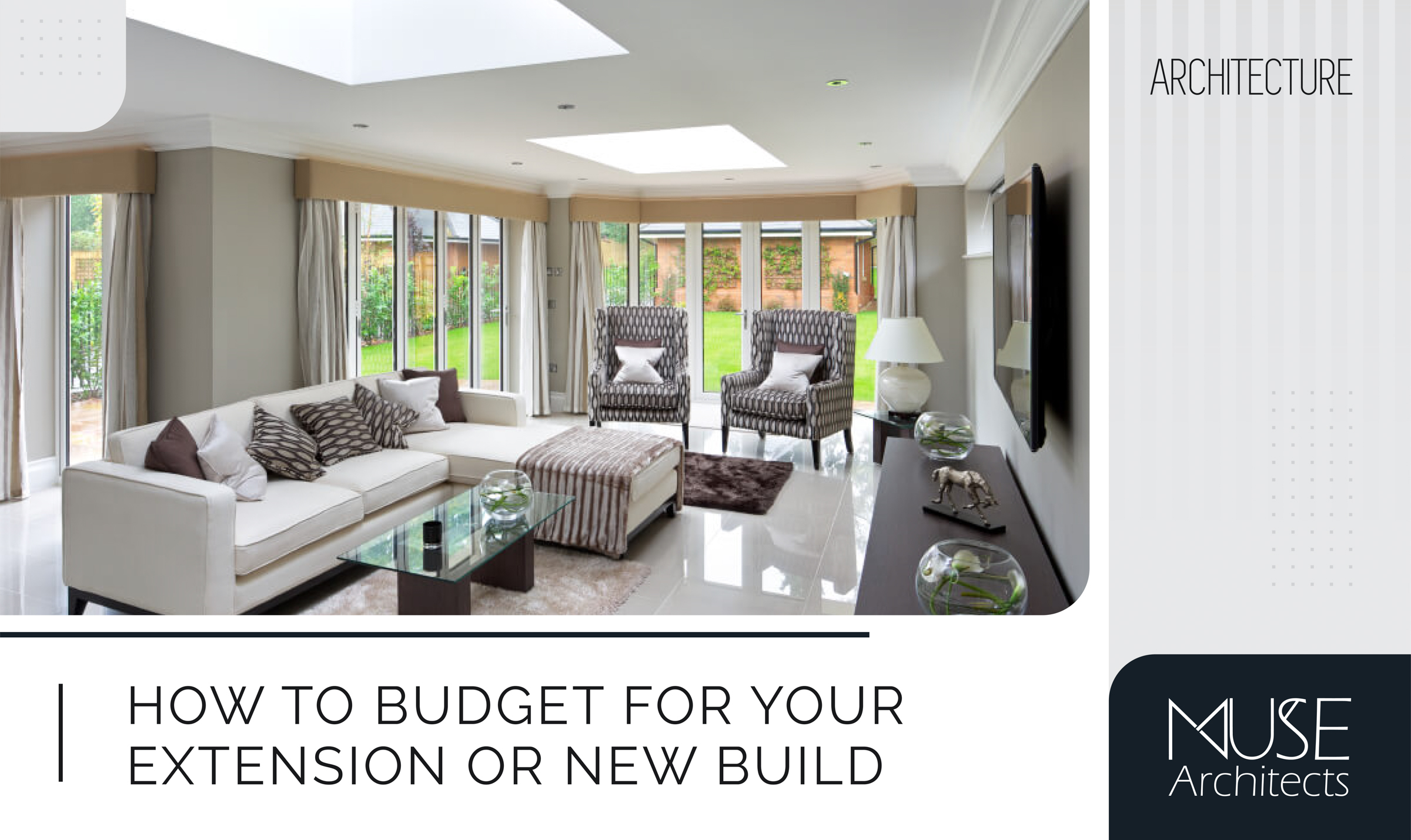
Creating a Budget-Friendly Extension It is possible to have a budget extension if you plan carefully and utilise innovative designs that will save you costs. Being creative will not only make your extension look beautiful but will also ensure you don’t overspend. To budget effectively for an extension or new build, you must know where to save and when to invest. Below are some cost-effective ways to create a budget extension without spending a fortune. Know What You Want Before planning a budget for your extension, there are certain factors you must consider. Ask a real estate agent if the extension you plan to undertake will add extra value to your property. Typically, the larger the extension, the more value it adds; however, this also means higher costs for you. If you’re looking for a cost-effective option, a small extension may be your best bet. Decide on the size of the extension you want before proceeding. Additionally, consider whether converting existing space into a habitable area would be cheaper than building an extension. The primary reason for building an extension is to gain extra space for use. If you can convert an existing area into a usable space at a lower cost, there may be no need for a more expensive extension. Use Simple but Durable Building Materials Using simple materials for your extension can be a cost-effective approach. Not only will this help keep costs down, but durable materials will ensure that your extension lasts longer. Simple building materials and fittings are often easier to install and cheaper to procure. Purchase Only Standard Interior Furniture and Decorations Opting for ready-made windows and doors isn’t always the best choice, as they may not meet your desired standards. Choosing standard interior furniture and decorations will save you time on unnecessary replacements and significant money in the long run. Don’t Be Deceived by Expensive Brands Choosing expensive brands does not guarantee the best quality products or value for your money. Affordable brands or local DIY stores can provide quality items without the high price tag. Ways to Prevent Wastage in Building an Extension Preventing wastage is another excellent way to build a budget extension. Here are some strategies to help you save costs when planning your extension: If you’re creating a kitchen extension, consider reusing furniture and items from your existing kitchen. If you can’t reuse items, sell them to save space and generate extra cash. When buying building materials like roof tiles and bricks, consider sourcing from individual sellers online or from a reclamation yard. This can allow you to find quality products at significantly lower prices. Stick to your original plan for the extension, including size, location, and materials. This will help prevent additional costs that may arise from deviating from your initial plans. Comply with building regulations to avoid costly corrections to an already built extension. When hiring professionals such as architects, surveyors, or engineers for your budget extension, inquire about their services and the total fees involved. Conclusion Achieving a budget extension is quite feasible if you plan carefully and apply the insights from this guide. With thoughtful consideration and creativity, you can create a space that enhances your home without breaking the bank.
Home Extensions

Beginner’s Guide to Home Extensions

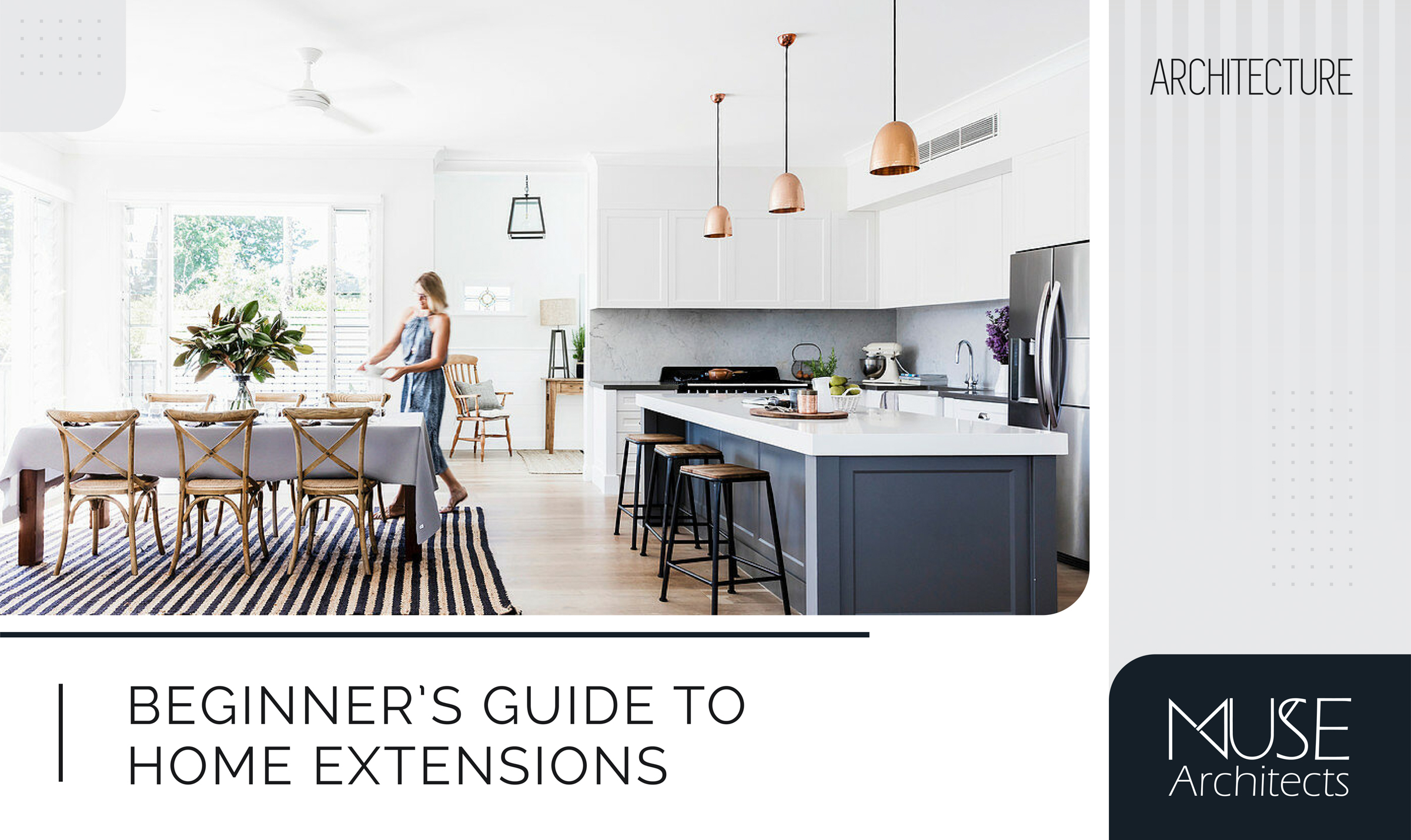
A Guide to Building a Home Extension Do you want to build a home extension but don’t know how to start? This guide is for you. The cost of building a home extension depends on the size of the extension and your specific needs. Additionally, there are several aspects involved in constructing home extensions that you should be aware of. How Much Does Building an Extension Cost? The financial requirements for building a home extension largely depend on various factors, such as your location, the size of the extension, the number of storeys, and your design preferences. For a typical home extension, you should budget approximately £1,000 to £2,000 per square metre. If you’re considering a single-storey extension, the costs will generally be as follows: Basic quality: £1,000 to £1,680 Good quality: £1,680 to £1,920 Excellent quality: £1,920 to £2,160 While a two-storey extension may not be significantly more expensive, it will require more extensive work. How to Build a Cost-Effective Home Extension To create a cost-effective home extension, ensure that the design and shape are simple, as these are often cheaper than more complex designs. Additionally, choose an affordable construction method and building materials. How to Build a Home Extension Without Planning Permission You can build a home extension without planning permission if it falls under Permitted Development (PD), meaning you won’t need to undergo the application process. However, if your home is in a National Park or a Conservation Area, the scope of work under Permitted Development may be limited. Under PD rights, specific works can be done without planning permission if you meet certain criteria, such as: You can extend your detached home by up to 8m at the rear for a single-storey extension. A single-storey extension must not exceed 4m in height at the ridge and eaves, and the ridge height cannot be greater than that of the existing home. Two-storey extensions must be at least 7m from the rear boundary. Side extensions can only be a single storey, with a maximum height of 4m and a width of no more than half of the original extension. All new extensions must be built using similar materials and methods as the existing structure. Do You Need a Lawful Development Certificate to Extend Your Home? Even if your project can be carried out under PD rights, you must apply for a Lawful Development Certificate (LDC) from your local authority to confirm the extension’s legality and compliance with PD requirements. This is particularly necessary if you plan to sell the home later. An LDC typically costs £103, which is half the price of a planning permission application fee. What to Consider Before Building a Home Extension There are several factors to consider before embarking on a home extension: The Design If you have a great design idea but don’t know how to sketch it, consider hiring a building and design company or collaborating with an architect. If you’re experienced with CAD, you can create your designs, but for complex ideas, it’s best to consult a professional. Site Access Ensure that deliveries can be made easily to your home during the construction. Plan for how trucks and lorries will access the property and deliver large items. You will also need to decide where workers will park and store their tools. What Building Regulations Do You Need to Follow? Regardless of whether your extension requires planning permission, you must comply with all Building Regulations. You can either submit a Full Plan Submission or a Building Notice to adhere to these regulations. Full Plan Submission Submit a full plan to your local authority building control or a licensed inspector before starting your extension. A local building inspector will visit at various stages to monitor the progress. Building Notice This notice informs the local building authority of your intention to comply with regulations while constructing your extension and provides a 48-hour warning before work begins. Inspectors will review the work at different stages and inform you of any issues. About Muse We are your Residential and Commercial Architects At Muse Architects, we offer a wide range of local architectural services to clients in Manchester and beyond. From building control in Manchester to office design project management, our team of experienced architects has the skills and expertise to handle any project. Whether you’re looking for commercial building architects or residential architects near you, we’re here to help. As local architects, we understand the unique challenges and opportunities of designing buildings in Manchester. We specialise in Manchester residential architect services and work closely with clients to create beautiful, functional spaces. Our 3D property visualisation services, including 3D visualisation for city planning and interior design, are designed to help you bring your vision to life. Contact us today to learn more about how Muse Architects can help you achieve your architectural goals.

Basement Conversion

Beginner’s Guide to Basement Conversion

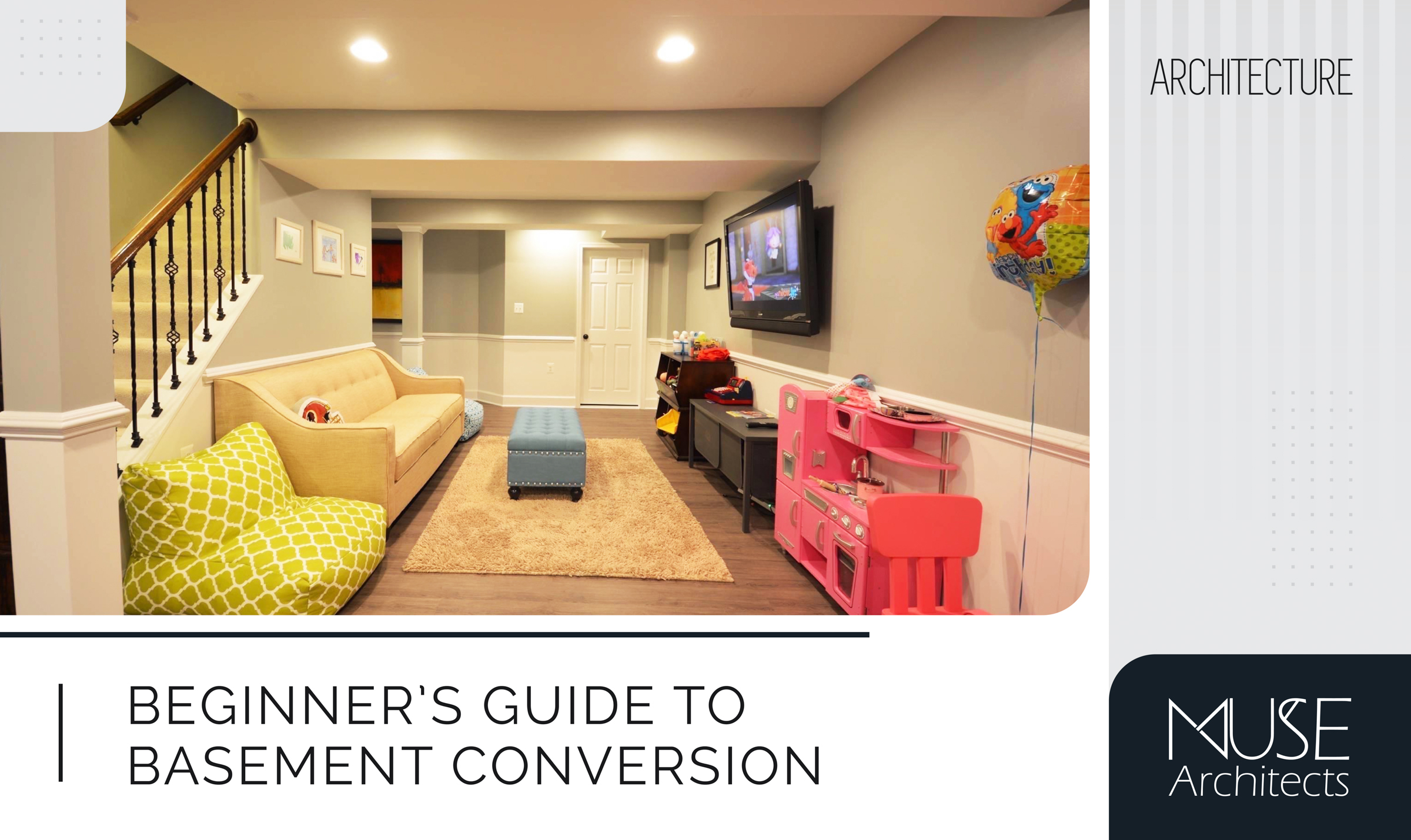
The Ultimate Guide to Basement Conversion Having more space or an extra room has proven to be very useful, which is why basement conversion has become increasingly popular. You can transform an unused basement into a beautiful living space without spending a fortune. However, basement conversion involves several processes, and this guide will cover all of them. How Much Time Does a Basement Conversion Require? The time needed for a basement conversion depends on your requirements and the size of the space you wish to utilise. Converting an existing room in the cellar using a waterproof membrane cavity system typically takes about three weeks, including sump digging and pump installation. However, converting and extending the cellar can take several months. The best time to carry out a basement conversion is during the summer. Planning Permission and Building Regulations Before proceeding with a basement conversion, you need to check with your local authority to determine if planning permission is necessary. 1. Planning Permission for Basements In most cases, planning permission is not required for converting an existing basement or cellar. A simple ‘change of use’ is sufficient. However, if you plan to build a new basement, extend an existing one, or add a light well that alters the exterior appearance of your home, planning permission will be required. 2. Building Regulations for Basements When converting a basement into a living area, you must obtain Building Regulations approval. This ensures that your basement is energy efficient and suitable for habitation. Building Regulations cover aspects such as fire escape routes, heating, ventilation, ceiling height, waterproofing, electrical installations, and water supplies. Basement Conversion Costs You don’t need to spend a fortune to carry out a basement conversion. The costs typically include: Flooring Heating Waterproofing Decorating Lighting Things to Do Before Carrying Out a Basement Conversion Before converting your basement or preparing for waterproofing, consider the following steps: Clear your basement: Remove dirt, dust, and debris. Check the walls: Look for any damage and fill holes or dents before proceeding with the conversion or waterproofing. Heating a Basement To create a comfortable environment in your basement, you must ensure it is adequately heated. Several options are available, depending on your needs and budget: Underfloor heating: This is a popular choice for basement conversions. It is typically installed in screeds over waterproofing membranes, providing even heat distribution across the floor. Radiators: Installing a radiator is another effective heating method. Electric heaters: While plug-in units may not be the most cost-effective option, they can offer a temporary solution. Oil heaters: These are portable and often cheaper than electric heaters. Insulating a Basement Insulating your basement ensures your home is more energy-efficient, helping you save on heating bills while creating a moisture-free, habitable environment. Insulation is usually installed when constructing a new basement rather than retrofitting an old one. Focus primarily on insulating the walls rather than the ceiling. Some affordable insulation options include: Blanket (batt and roll) insulation Foam board insulation Loose-fill insulation Sprayed foam insulation Ventilating a Basement Proper ventilation is essential for converting your basement into a habitable space, allowing fresh air to circulate and reducing humidity. You can achieve ventilation through windows (if available), staircases, fans, vents, and ventilation units. How to Waterproof a Basement To effectively waterproof your basement, you should be familiar with the various waterproofing systems available. The three main types of basement waterproofing systems include: External waterproofing Tanking Cavity drain membranes Conclusion Carrying out a basement conversion can be straightforward and cost-effective if you follow the necessary processes. By utilising the information discussed in this article, you can ensure a smooth and efficient basement conversion.

Eco-Architecture

Beginner’s Guide to Eco-Architecture

Understanding Eco-Architecture Eco-architecture refers to the efficient methods by which buildings and their construction sites utilise water, energy, and other materials while minimising their impact on the environment and individual health. However, eco-architecture encompasses more than just the buildings themselves; it also includes planning, environmental considerations, and land utilisation. The way our environment is developing has affected the natural elements around us. To build, design, construct, and maintain the essential buildings we use in society, many of our natural resources often pay the price. Below are the impacts of eco-architecture in both domestic and commercial contexts. Impact of Eco-Architecture in Commercial Buildings Improves Asset Value and Profits: Eco-friendly designs can enhance the value of commercial properties. Increases Productivity: Occupants in eco-architectural spaces often experience higher productivity levels. Economic Growth: Eco-architecture ensures growth and development in economic performance. Reduces Operational Costs: Efficient energy use leads to lower operational costs. Impact of Eco-Architecture in Domestic Context Protects Ecosystems: Eco-architecture helps preserve and enhance biodiversity. Reduces Waste: It contributes to a decrease in waste streams. Preserves Natural Resources: Eco-architecture aims to conserve and restore natural resources. Improves Air and Water Quality: It enhances the quality of air and water in the environment. Enhances Wellbeing: The comfort and wellbeing of individuals are significantly improved. Reduces Resource Load: It alleviates pressure on local resources. Improves Living Quality: Increases the overall quality of life for all individuals. Enhances Indoor Air Quality: Eco-architecture improves air circulation within buildings. Importance of Eco-Architecture Here are the overall benefits of eco-architecture for both nature and humanity: It Saves Costs While planning a building based on eco-architecture may initially be more expensive than traditional methods, it can prove to be a cost-effective option in the long run. The efficient energy plans associated with eco-architecture can lead to substantial savings on electricity bills, potentially reducing total operational and maintenance costs by one-fifth. When you consider the total savings, the initial investment becomes worthwhile. Regulates Temperature With rising global temperatures, eco-architecture helps regulate the environment’s temperature. Buildings with green roofs tend to remain cooler than conventional structures, benefiting occupants. Additionally, eco-architecture can add moisture to the soil, which is especially useful in hot and dry climates. Energy Efficient Eco-architectural buildings are powered by sustainable energy sources such as sunlight, water, and wind, making them more energy-efficient than traditional buildings. This also contributes to better air quality within the building and its surroundings. Improves Health and Wellbeing Residents of eco-architectural buildings enjoy various health benefits due to reduced pollution and enhanced sustainability. Eco-architecture is believed to positively impact the mental health of its occupants. Eco-Architecture Ideas Here are some innovative eco-architecture ideas you can adopt: Use Heating, Ventilation, and Air Conditioning (HVAC): Instead of traditional heating systems and air conditioning, use HVAC systems to manage energy efficiently, save on electricity costs, and regulate indoor temperature. Examples include smart thermostats and mini-split units. Energy Recovery Ventilator (ERV): Implement an ERV to reuse energy within the building. For instance, an ERV can utilise the heat from exhaust ducts to cool incoming air. LED Lighting: Opt for LED lighting to reduce electricity costs and energy consumption. Although LED bulbs may have a higher initial cost, their long-term benefits outweigh the upfront expenses. Conclusion Eco-architecture is an innovative approach that has redefined building practices, positively impacting occupants while minimising environmental effects. The benefits of eco-architecture are numerous, and both humanity and nature stand to gain from this remarkable innovation.

Select the fields to be shown. Others will be hidden. Drag and drop to rearrange the order.
  • Image
  • SKU
  • Rating
  • Price
  • Stock
  • Availability
  • Add to cart
  • Description
  • Content
  • Weight
  • Dimensions
  • Additional information
Click outside to hide the comparison bar
Compare