Muse Architects

Property Development

5 Tips from Architects to Property Developers

Tips for Successful Property Development The potential for significant earnings in the property development business attracts both developers and investors. However, numerous mistakes can turn opportunities into challenges that you need to avoid if you genuinely want to succeed in this field. By steering clear of common errors, you can maximise your earnings and reduce the associated risks. This article provides you with essential tips to help you achieve your property development goals. Understand Property Development Before You Launch It’s common to see newcomers in property development conduct minimal research, make rough cost estimates, and then embark on a project. To be successful in this industry, you must have a thorough understanding of how property development works. If you plan to oversee the development project yourself, you’ll need to collaborate with various professionals, including architects, town planners, surveyors, technicians, lawyers, building firms, building inspectors, and local councils. If you lack the experience to navigate the property development landscape effectively, consider hiring a planning and development manager or participating in a joint venture with a reputable property development firm. Understand the Property Development Market Understanding the state of the property market is crucial for success. Conduct thorough research and engage with industry players and stakeholders to answer key questions such as: What demographic resides in the selected area? What stage is the property cycle currently in for that location? What price are buyers willing to pay in the area? Will the development be in high demand? These factors can determine your likelihood of success. Spend Time Researching the Site Locating a suitable site is perhaps the most critical aspect of property development. Once you identify a potential site, investigate zoning regulations and subdivision rules. Determine if the site is heritage listed and understand any local area planning policies or proposed rezoning that may impact it. Complete a Feasibility Study After researching the site, the next step is to conduct a feasibility study. This study will evaluate the site’s worth, the number and type of houses you can build, and whether you can achieve substantial profits. Conducting a thorough feasibility study is essential; failing to do so risks your investment and can lower your profit margins. Your feasibility study should include: An analysis of the project’s entire timeframe An estimation of project and subdivision fees The location of services and utilities Soil examination, soil type, and drainage requirements Any restrictive covenants or easements on the land title Understand Your Tax Obligations Your tax responsibilities will vary depending on whether you are an investor or a developer. For instance, investors pay tax on profits made from properties, but if they hold onto the property for over 12 months, they may qualify for a 50% reduction. Developers, on the other hand, may not qualify for such reductions and could have different tax obligations. It’s essential to understand your tax status before starting any development process. Consider consulting a professional tax accountant to determine the appropriate structure for acquiring your property, whether as a company, an individual, in a trust, or as a joint venture. Each structure has its own legal and financial implications.
Flat Conversions

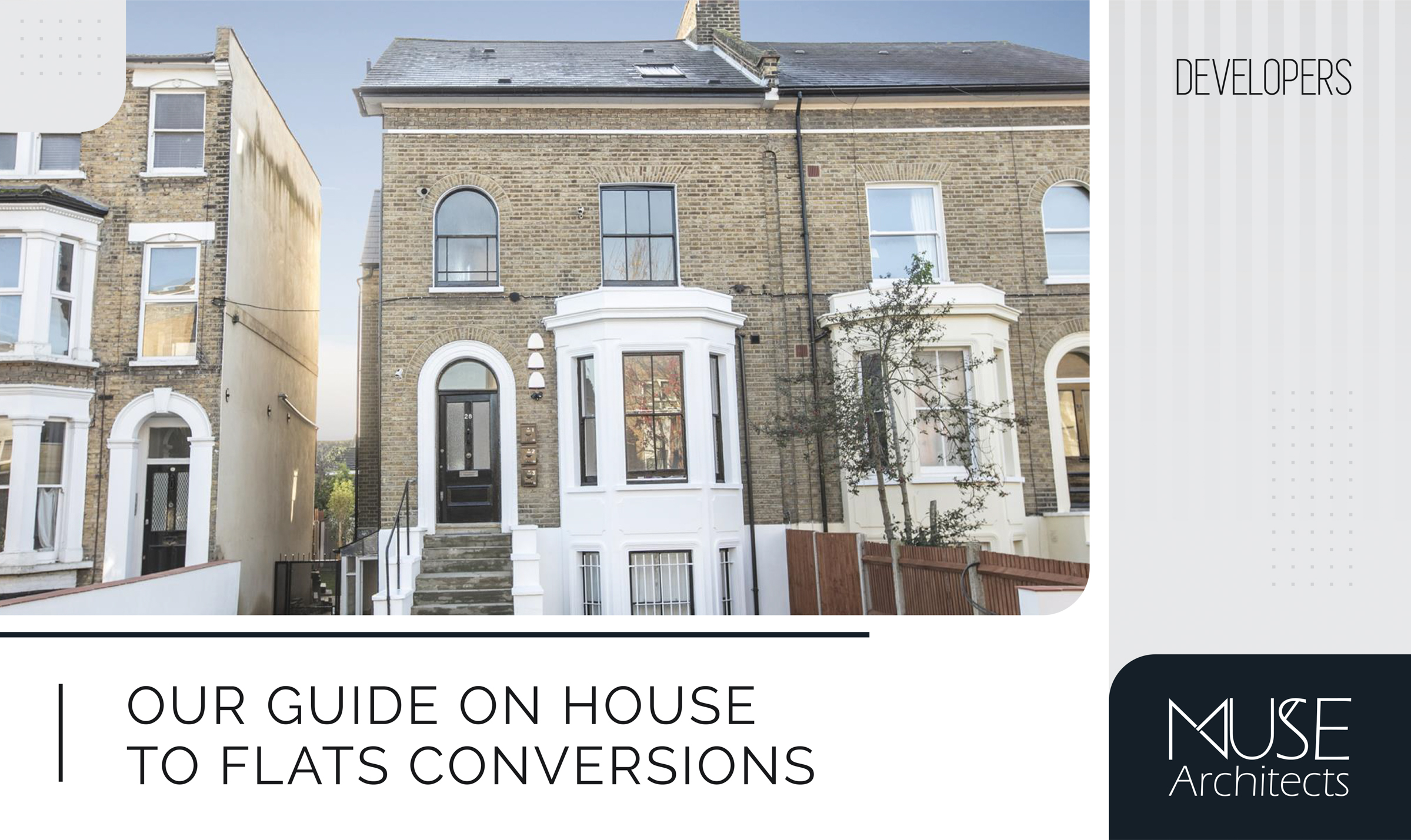
Our Guide on House to Flats Conversions

The Importance of Flat Conversions It is essential for property owners to make the best use of their buildings, ensuring that alterations and conversions are carried out to a high standard. In recent years, there has been a notable increase in individuals building houses and leasing them out. The housing sector has seen a significant rise in the number of investors, driven by the wealth and consistent income-generating potential it offers. Consequently, the housing sector has become one of the nation’s leading industries. However, the availability of rental space remains a limiting factor across the UK, which is where flat conversions come into play. Below, I will outline the importance of choosing a flat conversion. Importance of Flat Conversions As a landlord or landowner, converting your buildings into multiple flats can significantly increase your wealth. The recent popularity of rental markets is due to the high employment rate in the nation, leading to a rise in demand for flats. Despite the potential, many landlords find the process of converting their buildings into flats daunting. As professional architects and planning consultants, we have hands-on experience in flat conversions and can guide you through the process with our expertise in designing housing solutions. The number of flats you can create depends on the size of your land. Maximising your asset (house/land) can be daunting if you are not an experienced property developer. With our experience in property development and investment, we can help you properly maximise your asset and evaluate your land’s development potential, advising you on timescales and budget considerations. Securing Your Flat Conversions We have designed several intelligent templates for flat conversions that you can choose from. Our strategies for subdividing your house into different types of flats aim to achieve maximum use of your asset. Thanks to our extensive experience in flat conversion and property development, we understand what planning officers need to approve a flat conversion application. We are here to guide you through each phase of the often-daunting process of obtaining planning permission from local authorities. Designing the Layout of Your Ideal Flat Conversion We recognise that the flat conversion process can be cumbersome and are ready to assist you throughout. Our goal is to recommend the most beneficial use of space to create the maximum number of flats on your land, ensuring the best possible financial outcomes. As experts in architecture and planning, our design templates are crafted to produce attractive and functional flats that will appeal to high-paying tenants or buyers. We prioritise your needs when formulating and making decisions to ensure a successful flat conversion and development plan. Once we obtain planning permission from local authorities, we swiftly move into subsequent phases, including Technical Design and Building/Land regulation phases. This process is accompanied by constant monitoring of the construction projects by our site engineers and contracted administrators. Conclusion Our swift transition from one phase to another aims to turn your design concept into reality. Our team includes experienced civil engineers, surveyors, estate managers, and builders with proven expertise, allowing us to develop effective steps and a construction inspection approach to address any complications that may arise during your project. With us, you can feel confident that your flat conversions will become a beautiful reality within your budget. We pride ourselves on being professional yet friendly, always ready to assist with any challenges you might face while converting your buildings or land into multiple flats now or in the future. About Muse We are your Residential and Commercial Architects At Muse Architects, we offer a wide range of local architectural services to clients in Manchester and beyond. From building control in Manchester to office design project management, our team of experienced architects has the skills and expertise to handle any project. Whether you’re looking for commercial building architects or residential architects near you, we’re here to help. As local architects, we understand the unique challenges and opportunities of designing buildings in Manchester. We specialise in Manchester residential architect services and work closely with clients to create beautiful, functional spaces. Our 3D property visualisation services, including 3D visualisation for city planning and interior design, are designed to help you bring your vision to life. Contact us today to learn more about how Muse Architects can help you achieve your architectural goals.

questions to ask an Architect

Seven Questions Property Developers Should Ask Their Architects

Every property developer must understand the process of hiring an architect that is perfect for their budget, timeline and project design. Here are few of the main questions you should ask us or any other Architect: Top 7 questions to ask an Architect:  1. Do You Have References? This is an important question to ask an architect before he is hired. It is not sufficient to engage an architect because you love his designs. It would be best if you asked your architect about his past clients and contractors he had worked with and then check out the references given. Please find out how he conducts his professional relationships. From the onset, you must make sure you are working with a reputable company to prevent unforeseen situations that may transpire during the project 2. How Can I Be Involved in The Process? If you are not sure to what extent and how you can be involved with your architectural company in the project, you need to ask your architect. When developers have a thorough understanding of the timelines and workflow, they can send certain updates and documents to be reviewed at a certain timeline to help the architect achieve the desired results. 3. Do You Remain Involved During the Construction Process? You need to find out if and to what extent your architect will be involved during the project. Your architect will have different levels of participation during the construction process, depending on your needs. In some cases, project designs are handed over to the developer at completion with no further engagement. In contrast, some projects need the architect\’s supervision to perfect the construction process to achieve the desired results. 4. What Is the Scheduled Timeline for My Project? It is important to set achievable timelines for design and construction projects to have an uninterrupted construction process. Ask your architect when he is ready to commence on your project and how long it will take to complete it 5. How Do You Charge? What Is and Is Not Included in Your Fees? Though fees are not the most important factor to be considered when choosing an architect, architectural service fees can sometimes be difficult to understand. It is therefore important that developers comprehend the architect’s fee structure before they sign building contracts. Architects often use four methods to estimate their service fees, including time spent, specified amount, percentage of the project\’s cost, and based on the project’s square footage. Since different architectural companies offer various service levels, it is therefore important to know what is included and not included in your contract. For instance, service levels may include builders sets, design/build, and full service, whereby each has its advantages and disadvantages. Making the right choice involves looking at your budget, the project\’s scope, and the level of involvement. 6. What Skillset Do You Have Working in My Area? Since different cities and counties have different design guidelines, the time needed to obtain a development permit also offers. Some cities and counties have strict design guidelines, and a design assessment committee must endorse new projects before construction can begin. Ask your architect if he has experience working in the area. 7. How Can We Reduce the Environmental Impact? Nowadays, architectural companies are willing to work with you to design environmentally friendly and sustainable projects. It is most likely that such companies will integrate low-cost sustainable design into your project. If you are enthusiastic about environmentally friendly designs, ask your architect about the type of design he has experience with and what might be the advantages and disadvantages if you choose to embark on such a project. So, these are the important questions to ask an Architect. About Muse We are your Residential and Commercial Architects: At Muse Architects, we offer a wide range of local architectural services to clients in Manchester and beyond. From building control in Manchester to office design project management, our team of experienced architects has the skills and expertise to handle any project. Whether you’re looking for commercial building architects or residential architects near you, we’re here to help. As a local architect near you, we understand the unique challenges and opportunities of designing buildings in Manchester. We specialise in Manchester residential architect services and work closely with clients to create beautiful, functional spaces. Our 3D property visualisation services, including 3D visualisation for city planning and interior design, are designed to help you bring your vision to life. Contact us today to learn more about how Muse Architects can help you achieve your architectural goals.

Select the fields to be shown. Others will be hidden. Drag and drop to rearrange the order.
  • Image
  • SKU
  • Rating
  • Price
  • Stock
  • Availability
  • Add to cart
  • Description
  • Content
  • Weight
  • Dimensions
  • Additional information
Click outside to hide the comparison bar
Compare