Muse Architects

Muse Architects - Unlocking the Secrets of Property Investment

Unlocking the Secrets of Property Investment: How to get started in property

The World of Property Investment The world of property investment can be a complex and challenging one. With so many factors at play, it can be difficult to know where to start. But, as with many things in life, success in property investment comes down to a few key elements: education, knowledge, mindset, and network. In this article, we will explore how these elements are essential to navigating the expected property drop and building a successful property investment business. Buy Correctly One of the most important things to remember when investing in property is to buy correctly. This means doing your research, assessing the market, and finding properties that are undervalued or have the potential for growth. By buying correctly, you can set yourself up for success from the outset. Buy to Let One popular strategy for property investment is to buy, refurbish, and add value, then let and wait. This involves buying a property that needs work, refurbishing it to a high standard, and then renting it out. By doing this, you can increase the value of the property and generate a steady rental income. Another approach is to buy to let, refurbish, and rent to finance. This involves buying a property that needs work, refurbishing it, and then renting it out to generate enough income to cover the mortgage payments. Over time, as the property increases in value, you can sell it or refinance it to release equity and move on to the next investment. Demand for Rent There has been an increased demand for rental properties in recent years, making it a promising area for property investors. This is partly due to the rising cost of living and the difficulty of getting onto the property ladder for many young people. By investing in rental properties, you can tap into this demand and generate a reliable income stream. Build a Business If you want to succeed in property investment, it’s important to treat it like a business. This means developing a clear strategy, setting goals, and creating a plan to achieve them. By taking a business-like approach, you can maximise your profits and ensure that your investments are working for you. Creative Finance Alternatives The property investment landscape is changing, and cheaper and more creative finance alternatives are becoming the new normal. One of these alternatives is rent-to-buy, which involves renting a house with the option to buy it at the end of the rental period. This can be a good option for those who are unable to get a mortgage or who want to test the waters before committing to a purchase. Another alternative is a lease option, which allows you to agree on a price today but pay the mortgage in the future. This can be beneficial if you want to manage the mortgage now and pay it off over the next few years or if you want to give up the property at the end of the rental period. Stress Test the Market It’s important to stress test the market before investing in property. This means assessing how far the market can work with you and understanding how it might fluctuate over time. By stress testing the market, you can ensure that your investments are sustainable and that you are prepared for any potential market changes. Many Landlords Retiring Many landlords are retiring, leaving the market and creating massive opportunities for buyers. By taking advantage of these opportunities, you can secure a good deal on a property and set yourself up for long-term success. Struggling Homeowners Struggling homeowners are also a potential source of opportunity for property investors. By working with these homeowners, you can help them to get back on their feet while also securing a good deal on a property. Ethical Investment Finally, ethical investment is becoming increasingly important in the world of property investment. By investing ethically, you can ensure that your investments are sustainable and contribute to positive social and environmental outcomes. How We Can Help Muse Architects can assist property investors by providing sustainable design solutions to help them achieve energy-efficient upgrades and reduce their carbon footprint. This can help investors save money on their energy bills, increase the value of their properties, and tap into the growing demand for rental properties. Additionally, as property investment is a complex and challenging field, Muse Architects can help investors stress test the market and identify undervalued or potential growth properties. We can also advise investors on how to treat property investment like a business by developing a clear strategy and creating a plan to achieve their goals. Furthermore, we can offer advice on creative finance alternatives, such as rent-to-buy and lease options, and on ethical investment practices that contribute to positive social and environmental outcomes. Overall, by working with Muse Architects, property investors can navigate the expected property drop and build a successful property investment business. About Muse We are your Residential and Commercial Architects At Muse Architects, we offer a wide range of local architectural services to clients in Manchester and beyond. From building control in Manchester to office design project management, our team of experienced architects has the skills and expertise to handle any project. Whether you’re looking for commercial building architects or residential architects near you, we’re here to help. As a local architect, we understand the unique challenges and opportunities of designing buildings in Manchester. We specialise in Manchester residential architect services and work closely with clients to create beautiful, functional spaces. Our 3D property visualisation services, including 3D visualisation for city planning and interior design, are designed to help you bring your vision to life. Contact us today to learn more about how Muse Architects can help you achieve your architectural goals.
Muse Architects - The UK Housing Market After Covid-19: Manchester

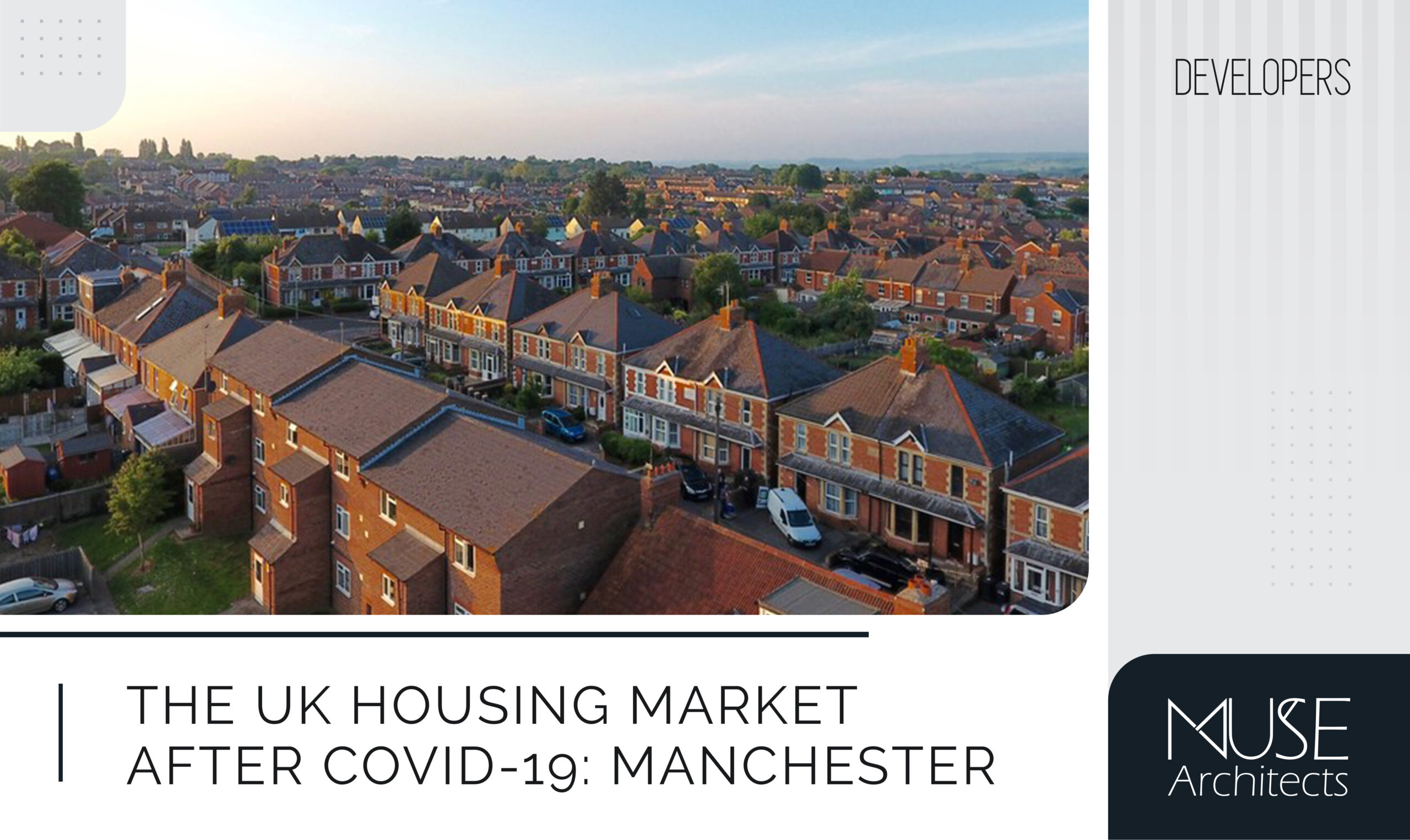
The UK Housing Market After Covid-19: A Focus on Manchester

The State of the UK Housing Market After Covid-19 The Covid-19 pandemic has caused significant disruptions to many areas of life, including the UK housing market. However, recent data suggests that the market is starting to recover, albeit with some noticeable changes. This article will explore the state of the UK housing market after Covid-19, with a focus on the city of Manchester. The UK Housing Market After Covid-19 The pandemic has had a significant impact on the UK housing market, with many people forced to delay or cancel their plans to buy or sell properties due to the economic uncertainty caused by the pandemic. However, since the vaccine rollout began in early 2021, the market has started to recover, with many people now eager to take advantage of the current low interest rates and pent-up demand for properties. According to recent data from the Office for National Statistics (ONS), UK house prices rose by 8.6% in the year to February 2021, with the average UK property now worth £250,000. While this is good news for sellers, it has made it more difficult for first-time buyers to get on the property ladder, as the rising prices mean that larger deposits are required. Another notable trend in the UK housing market after Covid-19 is the increased demand for larger homes with outdoor space. This is likely due to the increased time spent at home during lockdowns, which has made many people reassess their living arrangements. According to a recent survey by property website Rightmove, the most sought-after property features in the UK include gardens, balconies, and more rooms for home working. The Impact on Manchester’s Housing Market Manchester’s housing market has been affected by the pandemic in a similar way to the rest of the UK, with a slowdown in sales and an increase in demand for larger homes. However, the city has also seen some unique changes in the housing market, such as a shift in the types of properties that are in demand. Before the pandemic, Manchester’s property market was dominated by the buy-to-let sector, with many investors purchasing properties to rent out to students and young professionals. However, since the pandemic began, there has been a shift in demand towards larger family homes in the suburbs and surrounding areas, as people look for more space and a quieter way of life. According to a recent report by Zoopla, Manchester is one of the top-performing cities in the UK for house price growth, with prices rising by 5.7% in the year to February 2021. The report also found that demand for properties in Manchester is outstripping supply, with the number of properties listed for sale in the city down by 21% compared to the same period in 2020. Despite the rising house prices and shortage of properties, Manchester remains an attractive location for many buyers, thanks to its thriving economy, excellent transport links, and vibrant culture. The city is also home to several large-scale regeneration projects, such as the £1.4 billion NOMA development, which will create a new commercial district in the city centre. Conclusion In conclusion, the UK housing market is showing signs of recovery after the impact of Covid-19, with rising house prices and increased demand for larger homes with outdoor space. Manchester’s housing market has also seen some unique changes, such as a shift in demand towards larger family homes in the suburbs and surrounding areas. Despite the challenges posed by the pandemic, Manchester remains an attractive location for buyers, thanks to its strong economy, transport links, and culture. However, the shortage of properties for sale in the city is a cause for concern, and policymakers will need to work to ensure that there is enough affordable housing available for all. How Can Muse Architects Help? Muse Architects can assist people in entering the property market in Manchester by providing innovative and practical solutions to make the most of available space and create attractive and functional homes. One way to do this is by designing adaptable and flexible homes that cater to different lifestyles, such as incorporating space for home offices and multi-purpose rooms. They can also design energy-efficient homes that use natural light and ventilation, rainwater harvesting, and solar panels to reduce the property’s carbon footprint. By designing homes suitable for modular construction, Muse Architects can help to reduce construction costs and make properties more affordable for first-time buyers. Additionally, they can design outdoor spaces that are functional and aesthetically pleasing, such as gardens, balconies, and roof terraces. Finally, Muse Architects can make properties more accessible and inclusive by designing homes suitable for people with disabilities and mobility issues, with features such as wheelchair ramps, accessible bathrooms and kitchens, and wider doorways. By designing homes that meet the needs of buyers, Muse Architects can make properties more attractive, functional, and ultimately more affordable for first-time buyers in Manchester’s booming housing market.

Muse Architects - How National Planning Policy Framework Works

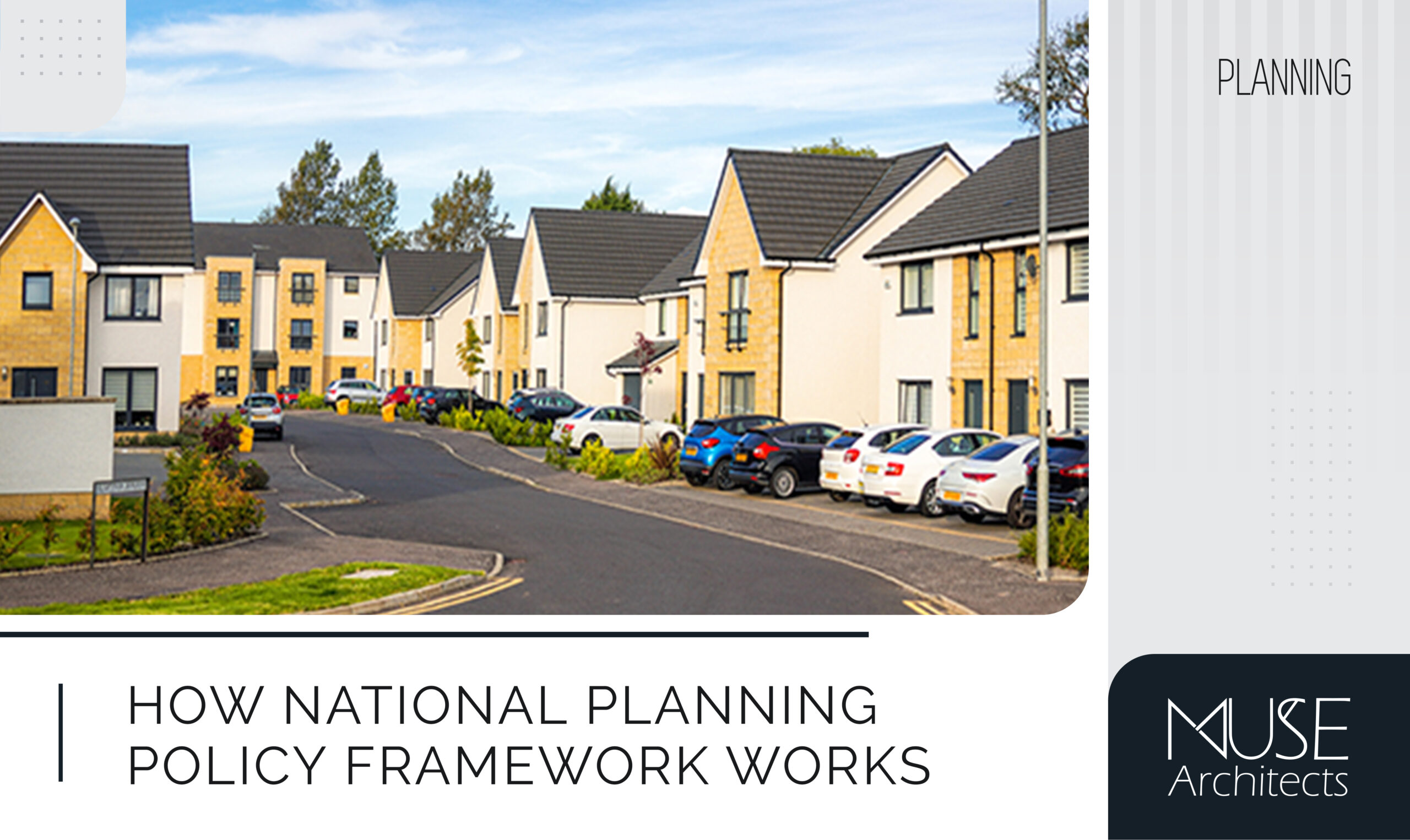
How National Planning Policy Framework Works

The Role of the National Planning Policy Framework (NPPF) in Sustainable Development Introduction The National Planning Policy Framework (NPPF) sets out the government’s policies for the economy, environment, and land use planning in England. Since its introduction in March 2012, it has replaced a range of planning policy statements and guidance. The NPPF ensures that decisions made in planning applications align with sustainable development principles. This essay explores the NPPF’s role in achieving sustainable development, its approach to local plans, and its impact on neighbourhood planning. Sustainable Development The NPPF affirms that the aim of the planning system is to contribute to sustainable development. Development projects that demonstrate sustainability should not face delays in approval. The framework promotes sustainability by reducing dependence on unsustainable structures and encouraging practices that foster a prosperous rural economy, a strong competitive economy, and sustainable transport. It also advocates for high-quality housing, the protection of green belt land, the promotion of healthy communities, sustainable mineral use, conservation of the historic environment, and proactive measures against climate change and flooding. Local Plans The NPPF mandates that local plans must align with its principles and policies, particularly the presumption in favour of sustainable development. Local plans should include strategic policies addressing job creation, housing needs, climate change mitigation, and infrastructure provision. These plans must be based on up-to-date and relevant data. Neighbourhood Planning According to the NPPF, neighbourhood plans should support the broader development strategy of the area. They should not promote less development or undermine strategic objectives. Instead, they should focus on reshaping development outside the main elements of local plans. Neighbourhood plans must adhere to national policy and guidance, ensuring they are generally consistent with the NPPF. Conclusion The NPPF plays a crucial role in ensuring that land use planning in England contributes to sustainable development. It outlines government policies on the economy, environment, and land use, promoting high-quality housing, green belt protection, and climate change action. It also requires local plans to be consistent with its principles and supports neighbourhood planning that aligns with the NPPF framework. Understanding the NPPF’s role is essential for effective property development and land use planning in England. How Muse Architects Can Help At Muse Architects, we recognise the critical role architects play in designing and developing buildings and spaces. We understand the importance of operating within the framework of the NPPF to achieve sustainable development. Our team is well-versed in the NPPF’s policies and principles. We ensure our designs comply with local and national planning regulations, conducting thorough research to understand the local planning context. This knowledge allows us to create buildings and spaces that align with local priorities. We believe architects have a responsibility to engage with local authorities and communities, ensuring our designs meet the needs of the people they serve. We consult with stakeholders and incorporate feedback into our proposals. Collaborating with other professionals, such as planners and engineers, ensures our designs are well-integrated within development projects. At Muse Architects, we are passionate about creating well-designed, sustainable buildings that meet community needs. Whether it’s a new build or a renovation, our architects are dedicated to delivering high-quality designs that exceed client expectations. If you are looking for architects in Manchester with a deep understanding of the NPPF’s policies, strong research and analytical skills, and the ability to collaborate effectively, contact Muse Architects today to learn more about our services and how we can help you achieve your development goals.

What is Property Development

What is Property Development – Commercial & Residential Architects Manchester

What is Property Development? Property development is the process of improving land or buildings to increase their value. It involves renovating, converting, or building new properties. Property development is a business that encompasses multiple elements, such as constructing a new property, renovating an existing one, and converting properties to serve a different function. Developers aim to add value to the land or property they are developing and profit from such developments. Property development can also provide social benefits, such as offering housing, workplaces, and educational facilities that enhance the surrounding community.   As a leading RIBA chartered architectural practice based in Manchester, Muse Architects specialises in property development. We understand the crucial role that property development plays in shaping the built environment around us. This process, also known as real estate development, includes improving land or buildings to increase their value. Our team of experts at Muse Architects works diligently to add value to the land or property we are developing and help our clients profit from such developments. We pride ourselves on providing a comprehensive range of services, including residential, commercial, and mixed-use developments. Our team possesses a deep understanding of the policies, permits, and regulations required for successful property development. When it comes to residential developments, we focus on creating comfortable and functional living spaces tailored to meet the specific needs of our clients. Our architects and designers work closely with clients to understand their goals and objectives, then create detailed plans and drawings that reflect their specific requirements. We also consider local zoning laws and building codes to ensure that the designs conform to regulations and receive approval from relevant authorities.   For commercial developments, our experts understand the unique requirements of various types of commercial properties, such as offices, hotels, and retail spaces. We collaborate closely with clients to create functional and efficient designs that meet their specific needs while ensuring compliance with relevant regulations and codes. Mixed-use developments are becoming increasingly popular, as they integrate a range of different uses within the same development. Our team is well-versed in designing mixed-use developments that provide a balance between residential, commercial, and retail spaces. We understand the unique requirements of each use type and work closely with clients to create designs that are functional, efficient, and tailored to their specific needs. Obtaining planning and building regulations approvals is an essential part of any property development project. Our team has a deep understanding of the policies and regulations that apply to property development projects and can guide clients through the process of obtaining necessary approvals. This includes preparing and submitting planning applications, as well as providing detailed building regulations drawings and calculations. We also offer a range of services that are essential to the property development process, such as site surveys, cost estimating, and project management. This means our clients can rely on us to handle every aspect of their development project from start to finish, giving them peace of mind and allowing them to focus on other aspects of their business. In summary, at Muse Architects, we work closely with developers to provide them with the expertise and support they need to successfully navigate the complex process of property development. From architectural design and planning approvals to site surveys and project management, we have the skills and experience to help our clients achieve their goals. As a leading RIBA chartered architectural practice in Manchester, we are dedicated to providing our clients with reliable and professional service, and we invite you to contact us for more information on how we can assist with your property development project. Contact Us Contact us today to learn more about how we can help you with your property development project. About Muse We are your Residential and Commercial Architects At Muse Architects, we offer a wide range of local architectural services to clients in Manchester and beyond. From building control in Manchester to office design project management, our team of experienced architects has the skills and expertise to handle any project. Whether you’re looking for commercial building architects or residential architects near you, we’re here to help. As a local architect, we understand the unique challenges and opportunities of designing buildings in Manchester. We specialise in Manchester residential architect services and work closely with clients to create beautiful, functional spaces. Our 3D property visualisation services, including 3D visualisation for city planning and interior design, are designed to help you bring your vision to life. Contact us today to learn more about how Muse Architects can help you achieve your architectural goals.

What Are Building Regulations - Commercial & Residential Architects Manchester

What Are Building Regulations – Commercial & Residential Architects Manchester

Building Regulations Building regulations are a set of rules that govern the construction, design, and alteration of buildings in the UK. These regulations are in place to ensure the safety and wellbeing of the people who live or work in the buildings, as well as to ensure the energy efficiency and sustainability of the structures. To comply with building regulations, individuals or companies carrying out building work must obtain approval from the relevant building control body before commencing work. This can be done through either a Full Plans Building Control application or a Building Notice application, depending on the complexity and scale of the work. At Muse Architects, we are a leading architectural firm in Manchester, offering building regulations services to a wide range of clients. As a RIBA Chartered Practice, we have extensive experience and knowledge in building regulations and can provide a comprehensive service to ensure that your project complies with all necessary regulations. Our team of architects and designers possesses a deep understanding of building regulations and can provide expert guidance throughout the process. The cost of building regulations drawings will depend on the level of service offered by the architect or practice you are working with. It is generally recommended to work with an RIBA chartered practice, as they will have a higher level of experience and knowledge, enabling them to provide a more comprehensive service. The cost of building regulations drawings typically starts at around 3% of the construction cost, but this can vary depending on the specific requirements of the project. Types of Building Regulations Plans Different types of building regulations plans may be required depending on the nature of the work being carried out. For new builds, the plans should detail the structure, fire safety measures, sound insulation, ventilation, drainage, electrical design and installations, and mechanical design and installations. For property conversions, such as converting a house into flats, the plans should also include information on means of escape, insulation, and ventilation. Similarly, building regulations plans for loft conversions should include information on structure, fire safety, sound insulation, ventilation, drainage, electrical and mechanical design and installations, as well as details on the minimum ceiling height required. For extensions, the plans should include information on structure, fire safety, sound insulation, ventilation, drainage, electrical and mechanical design and installations, as well as details on means of escape or sprinkler systems if necessary. Most structural work, including new builds, alterations, extensions, and change of use, requires building regulations approval. This includes projects such as garages, loft conversions, roof extensions, balconies, roof terraces, basement extensions, garage conversions, barn conversions, flat conversions, and structural alterations. However, there are some exceptions, such as certain types of detached garages and agricultural buildings. Muse Architects’ Services Muse Architects understands the importance of building regulations and offers various services to ensure that your project complies with all necessary regulations. We can help you choose the appropriate building regulations plan, depending on the nature of the work, and guide you through the process of obtaining approval. We can also provide detailed building regulations drawings, which will help you save time and money in the long run. It typically takes around five weeks for a decision to be issued on a Full Plans Building Control application, although this can be extended to a maximum of two months if agreed by both parties. Work can commence on site before the approval notice is received, but the building control body must be notified that approval has been sought before larger works begin. Muse Architects can help you navigate this process, ensuring that you are aware of all timelines and requirements, and can obtain the necessary approvals in a timely manner. Conclusion In conclusion, building regulations are a crucial aspect of any construction, design, or alteration project in the UK. They ensure the safety and sustainability of buildings, and compliance is mandatory for any work being carried out. Obtaining building regulations approval can be complex, but with the help of a reputable and experienced architectural firm, such as Muse Architects, the process can be streamlined and simplified. Muse Architects, a leading architectural firm based in Manchester, offers a wide range of building regulations services for buildings of all sizes. From commercial units to loft conversions, we are here to ensure that your project complies with all necessary regulations. Our team of experienced architects and designers has a deep understanding of building regulations and can provide expert guidance throughout the process. We can help you choose the appropriate building regulations plan, guide you through the approval process, and provide detailed building regulations drawings to save you time and money. If you are planning a construction, design, or alteration project and need help with building regulations, we recommend contacting Muse Architects for more information on how we can assist you. Our team of experts can provide you with detailed information on our services and help you navigate the building regulations process, ensuring that your project is compliant and that you can move forward with confidence. About Muse We are your Residential and Commercial Architects At Muse Architects, we offer a wide range of local architectural services to clients in Manchester and beyond. From building control in Manchester to office design project management, our team of experienced architects has the skills and expertise to handle any project. Whether you’re looking for commercial building architects or residential architects near you, we’re here to help. As a local architect, we understand the unique challenges and opportunities of designing buildings in Manchester. We specialise in Manchester residential architect services and work closely with clients to create beautiful, functional spaces. Our 3D property visualisation services, including 3D visualisation for city planning and interior design, are designed to help you bring your vision to life. Contact us today to learn more about how Muse Architects can help you achieve your architectural goals.

investment property opportunities

How to Find Investment Property Opportunities

Investing in Properties: A Guide to Opportunities and Returns Investing in properties is one of the few ventures with a lifetime of increasing returns. You may worry whether an investment property offers the right opportunity, fearing that more funds or hard work are required to maintain it. While these concerns are valid, real estate quickly presents variable investment opportunities. Lease Out a Portion of Your Existing Home If you’ve considered buying a new home to recoup your money gradually, you might try renting out a portion of your current home. This option offers a range of choices. You can start by renting a spare room or even a basement. If you don’t own a house by yourself, buying a duplex and renting out one half while you occupy the other can be a great idea. One major benefit of this approach is that you can closely monitor your tenants. The chances of issues with rent payment are reduced when you live nearby. Additionally, you’ll enjoy the benefits and satisfaction of being a landlord, even without making a significant monetary investment. Buy a Rental Property Purchasing and leasing properties can generate a steady cash flow. To do this, you need to buy a house where the monthly mortgage payment, home insurance, and property tax are lower than the rent you can charge. This can be achieved by selecting a home in an area with high rental demand or by putting more capital down to lower your mortgage payment. There are various online platforms available for this purpose. You can buy single rental properties that are already filled with tenants and provide cash flow. However, owning a rental property may require significant capital upfront for the down payment and maintenance. You’ll need to assess whether the return on investment outweighs the initial capital invested. Flipping Homes Flipping homes involves purchasing properties below market value, making necessary repairs, and selling them for profit. While this strategy carries certain risks, it can be extremely rewarding. With property values on the rise, now is an ideal time to start flipping homes. To succeed in flipping, hunt for bargain homes—more effort in searching can lead to better outcomes. An ideal flip property typically requires only cosmetic repairs, enhancing the aesthetics before selling for profit. Invest in Larger Real Estate Deals Joining larger real estate investments can be an effective way to engage in bigger deals, whether commercial or residential. There are two key benefits to investing in larger real estate: Low Minimums: Depending on the platform used, you can invest as little as £500 while holding a portion of a property. No Need for Accredited Investor Status: Previously, being an accredited investor was necessary for participation in such investments. New regulations have changed this, allowing more people to diversify their investments without substantial financial power. By considering these opportunities, you can explore various avenues in property investment that suit your financial goals and risk tolerance.

Demand for Property

Best Time To Be a Property Developer in a Decade

It was never expected! No one could predict how it would end—boom or crash. The uncertainties surrounding the housing market due to the pandemic have left many homeowners with no other option than to fold their arms. Surprisingly, the aftermath of coronavirus has brought a smile to investors’ faces, with housing demand reaching a record-breaking ten-year high. The average sales price for existing homes jumped to an all-time high of £329,100, marking a historic annual rate of 17.2%. March’s national price rise commemorates 109 consecutive months of annual gains. Report from Rightmove A report from Rightmove has revealed that the implementation of lockdown measures, accompanied by new government incentives, has led to a surge in housing demand, making this spring the strongest seller’s market in the past decade. Rightmove expects further price increases during the traditional spring selling season and suggests that “the current boom in the housing market is the largest we have experienced in the last decade.” Selling your property this Easter could be a significant opportunity. Data published by the portal this week shows that the UK is currently experiencing an all-time excess demand compared to supply over the past ten years. The statistics indicate that this year’s demand is 34% greater than last year’s (considering this same period), pushing the market average price of homes to £2,484 this month. The trend further explains that homeowners are willing to sell, as agreements have been reached for two-thirds of the properties listed for sale. Demand for Property In the words of Lawrence Yun, the NAR’s chief economist, while consumers are facing rising interest rates, low affordability issues, and higher home prices, there remains a strong demand for homes in the market. He added that if there had been sufficient homes listed in March, sales would have been measurably higher. “The interest rate is still favourable despite the increase, and the economic forecasts look promising,” said Yun. With more than 50% of adults vaccinated, the report shows that housing statistics and employment data signal optimism for more supply and robust demand in the housing market. Rightmove’s Director of Property Tim Bannister, Rightmove’s Director of Property Data, commented, “Concerns of a cliff edge for the housing market at the end of March have dissipated due to tax deadline extensions throughout the UK, except Scotland, and the high level of buyer demand resulting from the lockdowns. “This high demand for property is expected to increase from April with new government guarantees enabling lenders to bring back 5% deposit mortgages. Although it may not be the perfect time to buy for some people adversely affected by the pandemic, the record buyer demand measured by Rightmove shows that now is the right time for many. Record low interest rates and the new focus on what homes need to offer after several lockdowns have led us to the highest excess of demand compared to supply in the last ten years. This strong seller’s market is favourable news for those looking to put their homes on the market as the traditional Easter selling season approaches.” Bannister continues, “Many sales have been agreed in the last few months, and there is a shortage of homes available for sale. A higher supply to match the high demand for property would alleviate upward price pressure. Price rises will also be influenced by the strict lending criteria imposed by the Bank of England on lenders following the Mortgage Market Review in 2014.” James Forrester, Managing Director of Barrows and Forrester, added that if you’re considering selling, now is the best time to do so because you’ll be able to take advantage of these favourable market conditions, which will reduce the time it takes to find a buyer.

Real Estate and Architecture

Real Estate and Architecture: How to Make Both Work Out

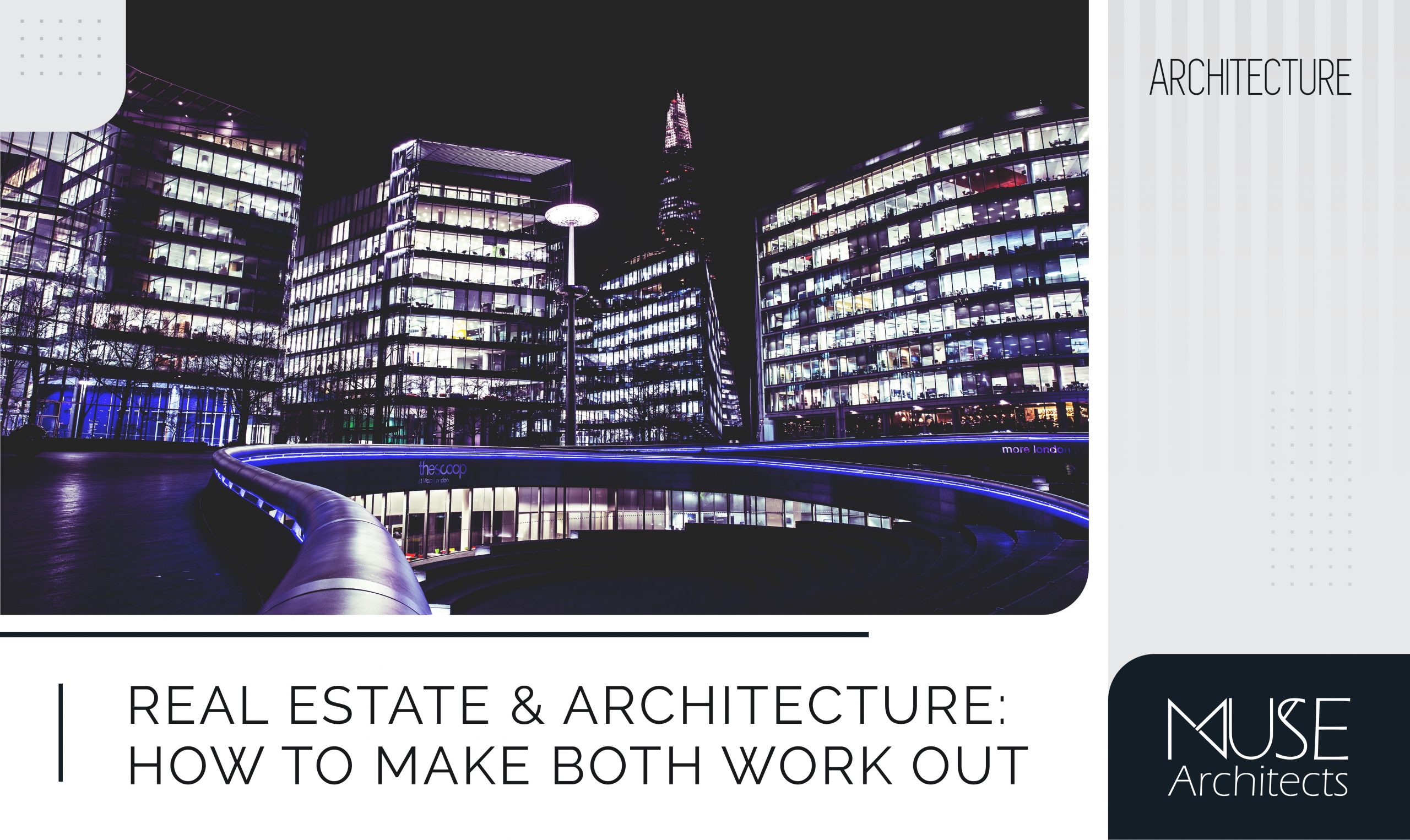
When it comes to negotiating a property, it is essential to understand all the characteristics that contribute to its value—be they aesthetic, structural, or functional. Buyers may decide to purchase based on one or more of these attributes. This collection of important elements constitutes architecture, which is directly related to the real estate market. Some buyers prioritise architecture in their property research. Therefore, those working in the real estate market should familiarise themselves with the influences that shape architecture and its main characteristics to effectively negotiate and assist in selling a property. With that in mind, we present this article to provide an overview of the topic. Let’s explore this subject further. The Key Role of an Architect The architect is a creator and designer, regarded as an artist with technical skills that allow them to achieve original works that are intended to be realised. They must master the technical construction standards relevant to their projects, including site management, internal and external aesthetics, ventilation, insulation, and energy-saving systems. This expertise justifies the need for extensive training after obtaining a BSc to master all the technical and scientific parameters relating to geology, physics, geography, and more. An architect’s talents in innovation and creativity distinguish them from their colleagues. Unlike real estate agents, architects can sign public works contracts, and their works are protected by intellectual property law. The Key Role of a Real Estate Agent The real estate agent comes into play once the construction has been completed, taking charge of marketing the property. They serve as commercial intermediaries representing the sale or rental of a building, highlighting its qualities and assets as established by the architect, thereby attracting potential customers. If the work carried out by the architect is for residential purposes, the intervention of a real estate agent may be unnecessary. Real estate agents utilise their commercial skills to negotiate on behalf of their clients to conclude the sale or lease contract. The most experienced agents often have a network that provides access to information on all real estate transactions, urbanisation projects, and other valuable insights, which they can leverage for their clients. Advantages of Having Experience in Architecture When an agent has an architectural background, they are well-positioned to attract clients seeking properties for renovation. Regarding property inspection and evaluation, architects can offer valuable opinions to buyers throughout the process. Their knowledge of aesthetics enables them to educate clients on renovation proposals. Experience in sustainable practices, such as energy efficiency and eco-friendly materials, is also beneficial, as many buyers are interested in these aspects. Trained architects possess extensive knowledge of construction strategies, allowing them to manage documentation for transactions. In contrast, a real estate professional without this expertise may need to consult an architect, potentially delaying the transaction. In a fast-moving market, these advantages can significantly benefit clients. How to Take the Next Step Combining knowledge of both architecture and real estate can be challenging and time-consuming, but the rewards are substantial. With experience in both fields, you become a valuable asset to your clients, enabling you to execute unique and exceptional projects that enhance your financial success. This creates a win-win situation for both you and your clients. About Muse We are your Residential and Commercial Architects At Muse Architects, we offer a wide range of local architectural services to clients in Manchester and beyond. From building control in Manchester to office design project management, our team of experienced architects has the skills and expertise to handle any project. Whether you’re looking for commercial building architects or residential architects near you, we’re here to help. As local architects, we understand the unique challenges and opportunities of designing buildings in Manchester. We specialise in Manchester residential architect services and work closely with clients to create beautiful, functional spaces. Our 3D property visualisation services, including 3D visualisation for city planning and interior design, are designed to help you bring your vision to life. Contact us today to learn more about how Muse Architects can help you achieve your architectural goals.

Basement Conversion

Basement Conversion Ideas for Beginners

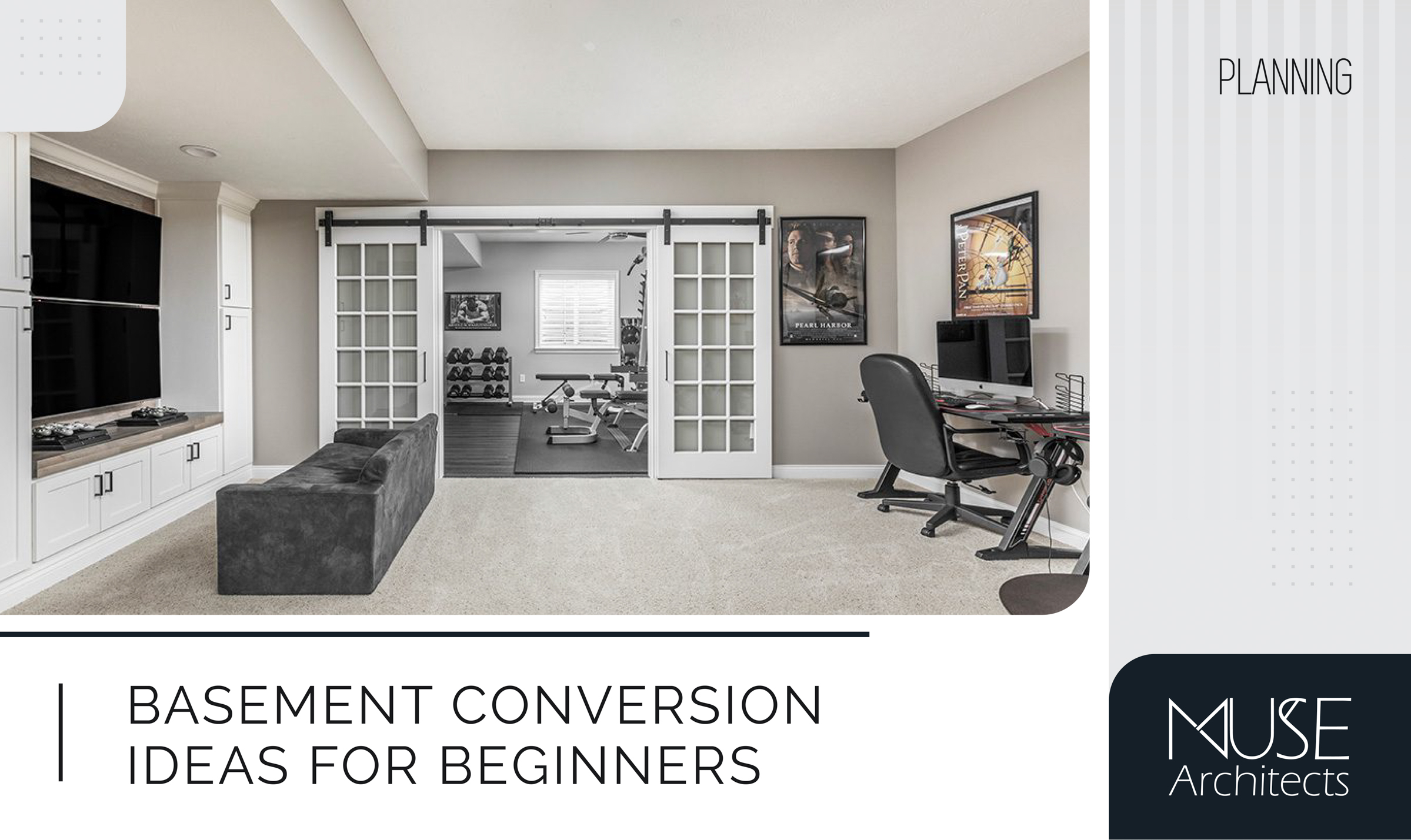
Did you know that you can convert your empty basement into a usable living space? Exciting, right? But now that you know, what can you convert your basement into? Remember, it’s essential to create a space you can utilise often; that’s the main reason for the conversion in the first place. If you’re short on ideas, don’t worry! Here’s a list of some great basement conversion concepts for you. Create a Personal Cinema Since basements typically don’t receive natural light, they are ideal for creating a home cinema. If you enjoy quality entertainment, this is a fantastic idea. You can watch movies and hang out with friends and family without interruptions or distractions. Create a Bedroom If you need an extra bedroom, consider converting your basement into a sleeping space for you, your family, or guests. This option is often easier, more cost-effective, and quicker than building an extension. However, be sure to adhere to all building regulations and check with your local planning authority to see if you need planning permission. Additionally, consider how you will provide essential features like lighting, heating, waterproofing, and ventilation. These elements are critical, as you wouldn’t want to sleep in a room where natural light can’t penetrate. Create a Man Cave If you need a quiet place to relax, a Man Cave is the perfect solution. Your basement is an ideal space for this! You can customise it with whatever you desire—think minibars, a refrigerator stocked with drinks, a pool table, gym equipment, or even a recording studio. Your Man Cave should be a personal retreat where you can enjoy your favourite pastimes without disturbances. Create an Extra Kitchen If you require additional cooking and dining space, especially if your basement offers a lovely view of the garden, consider converting it into an extra kitchen. Create a Personal Gym Did you know you can have your gym right at home? Converting your basement into a gym is not only convenient for keeping fit, but it also allows for easy access and personalisation. You can arrange the gym equipment exactly how you like, making it one of the simplest conversions. Create a Playroom If you have children and a large family, finding space for them to play and store their toys can be challenging. Transform your basement into a playroom for your kids, which can also serve as a storage area for their toys. This will help reduce clutter and create more space. As your children grow older, you can adapt the playroom into a space where both adults and teenagers can enjoy quality time together. Conclusion Converting your basement into a habitable area not only provides extra space but also solves various challenges you may face. Deciding what to convert your basement into can be daunting, especially if you’re new to basement conversions. However, with the ideas presented in this guide, you can confidently embark on your basement transformation journey. We hope you enjoyed reading this guide as much as we enjoyed writing it. Make sure to apply what you’ve learned!

Single Storey Extensions

Our Guide to Single Storey Extensions

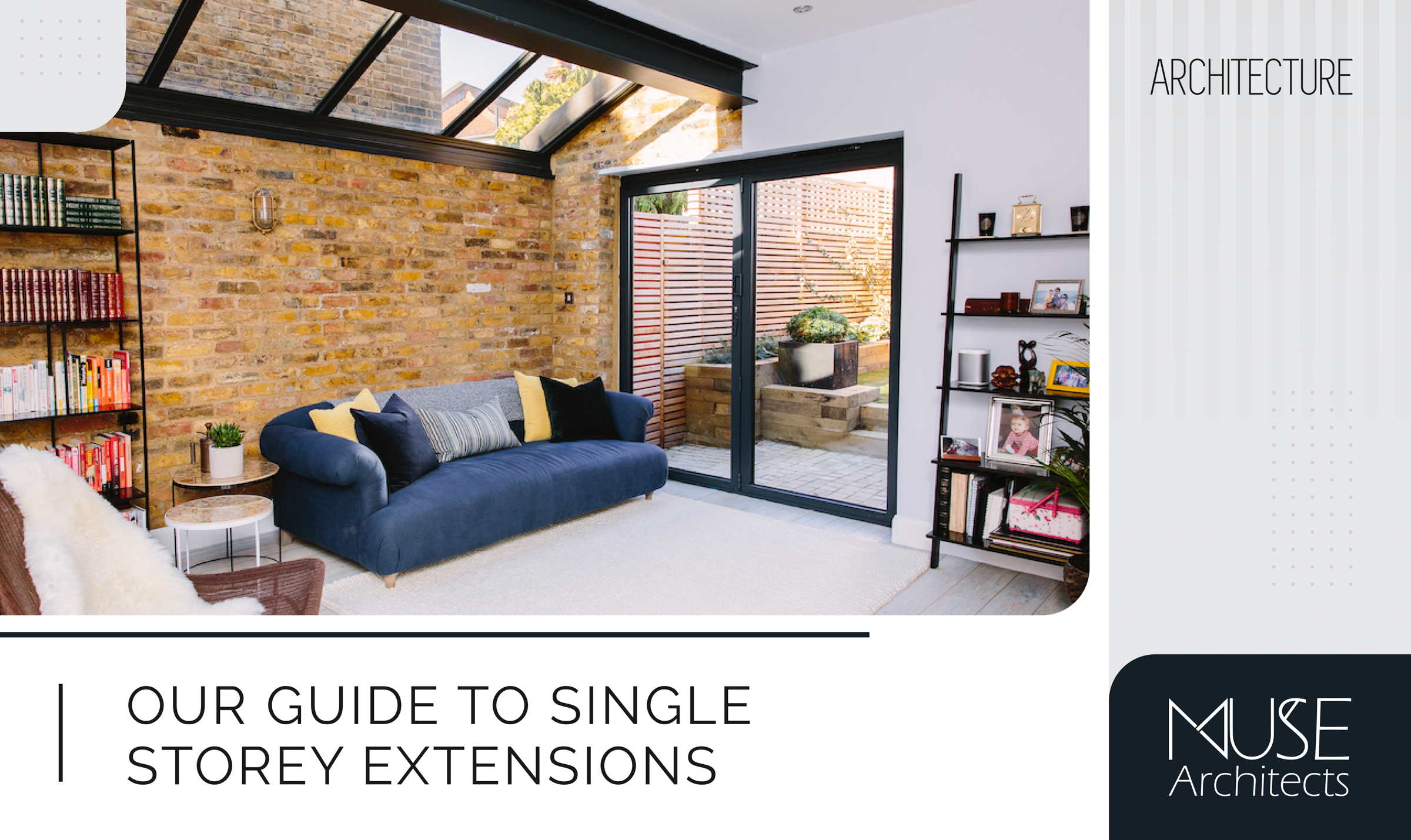
Understanding Single-Storey Extensions A single-storey extension can significantly increase valuable habitable space and uniquely redesign your home. It provides compelling reasons to enhance your house rather than move to a new one. Below are the key aspects you need to know about single-storey extensions. The Design This aspect allows for creativity. Start by sketching how you envision your extension on a sheet of paper. List all the essential features and additional elements you want to include to enhance your extension. Consider key factors such as the size of the additional space, lighting, extra kitchen features, and the location of the extension. Typically, single-storey extensions are added to the rear or side of the house. Discuss with an Architect Once you have a clear idea of what you want, it becomes easier to discuss your extension with an architect. An architect can refine your ideas and enhance your extension, enabling you to enjoy it even more. While you can consult a builder, engaging an architect ensures professional expertise. Key considerations include how to allow natural light into the extension and whether you want it to blend with the existing building or stand out, as well as preferences for ceiling height and roof type. Budget When building your extension, it’s easy to exceed your intended budget. Start by making a list of all essential purchases. Ensure you buy high-quality, durable building materials that will serve you well over time. Items like furniture and luxury finishes can be added later after the extension is built. A single-storey extension typically costs between £1,200 and £1,600 per square metre. If your extension requires expensive materials or features, the cost will increase. Additionally, your location will influence the overall cost. Don’t forget to factor in extra costs for lighting, waterproofing, decorating, and flooring. Is Planning Permission and Building Regulations Required? Many single-storey extensions can be built without requiring planning permission under Permitted Development. According to the rules, a single-storey rear extension is eligible for this if it doesn’t exceed the rear wall by 6m to 8m. Even if your extension qualifies for Permitted Development, certain limitations apply, such as a maximum height of 4m. An experienced architect or builder will be familiar with these restrictions, but it’s wise to consult your local planning authority. If your extension is eligible for Permitted Development, you need to apply for a Lawful Development Certificate from your local planning authority to confirm that your extension meets the requirements and is legal. However, if your single-storey extension is particularly large, you won’t qualify for Permitted Development and will need to apply for planning permission. You can ask your local planning authority for guidance or fill out an application online. Once submitted, you’ll typically wait eight weeks for a decision. If a decision is not reached within this timeframe, you will be notified in writing. If your application is denied or delayed, you can appeal the decision. In addition to planning permission, you must ensure that your single-storey extension complies with building regulations. These include proper ventilation, electricity and water supply, emergency exits in case of fire, and heating. Your extension must meet all these requirements before construction can begin. Conclusion Having extra space where you can live is essential. However, creating an additional habitable area requires time and adherence to specific processes. We hope this guide proves useful as you plan to build your single-storey extension. About Muse We are your Residential and Commercial Architects At Muse Architects, we offer a wide range of local architectural services to clients in Manchester and beyond. From building control in Manchester to office design project management, our team of experienced architects has the skills and expertise to handle any project. Whether you’re looking for commercial building architects or residential architects near you, we’re here to help. As local architects, we understand the unique challenges and opportunities of designing buildings in Manchester. We specialise in Manchester residential architect services and work closely with clients to create beautiful, functional spaces. Our 3D property visualisation services, including 3D visualisation for city planning and interior design, are designed to help you bring your vision to life. Contact us today to learn more about how Muse Architects can help you achieve your architectural goals.

Select the fields to be shown. Others will be hidden. Drag and drop to rearrange the order.
  • Image
  • SKU
  • Rating
  • Price
  • Stock
  • Availability
  • Add to cart
  • Description
  • Content
  • Weight
  • Dimensions
  • Additional information
Click outside to hide the comparison bar
Compare