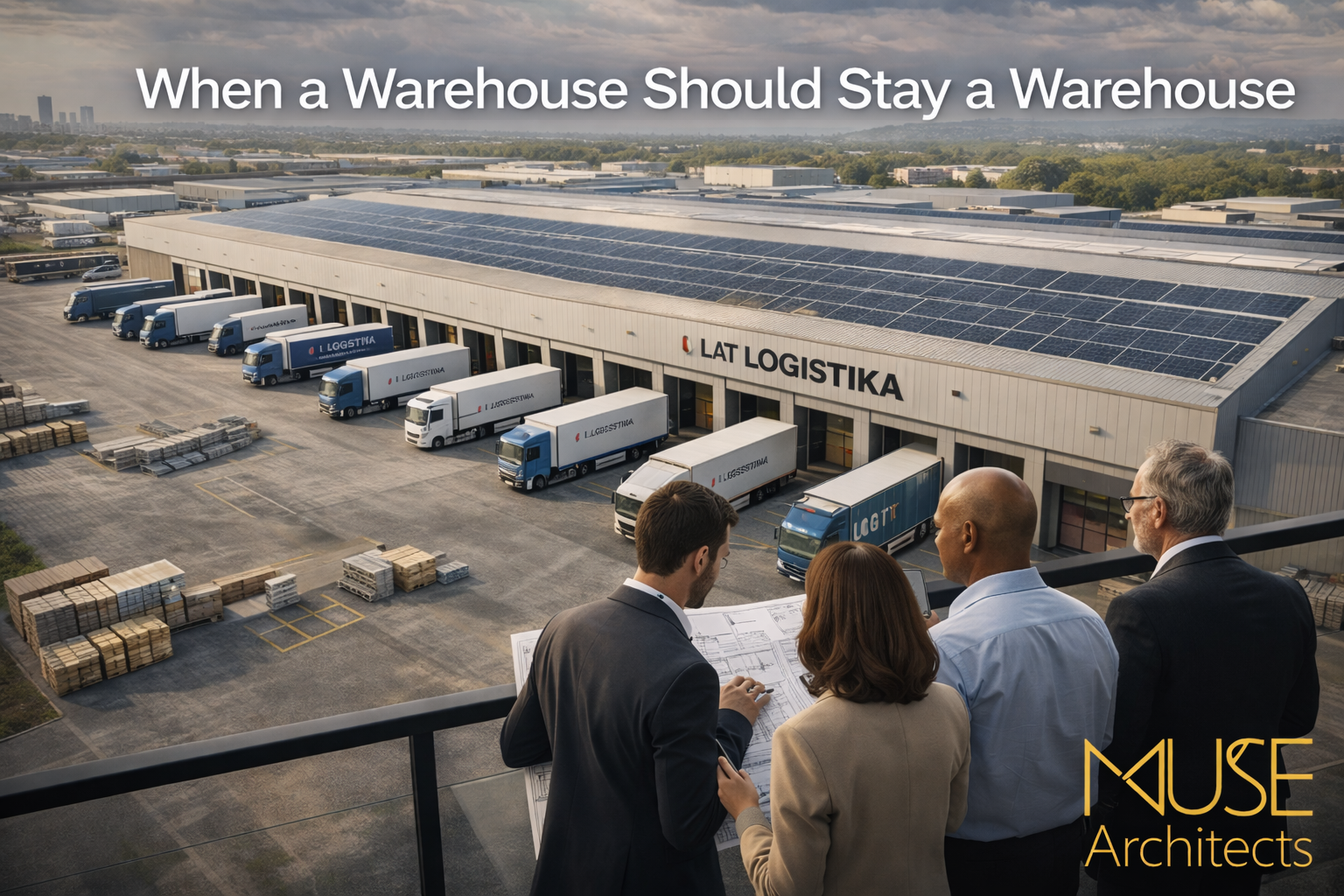
When a Warehouse Should Stay a Warehouse
In today’s property market, there is a constant push toward transformation.
Convert the warehouse. Reposition the asset. Unlock value through change of use.
This narrative is everywhere—and in some cases, it is valid.
But in many situations, it is simply wrong.
Not every warehouse needs to be converted. Not every industrial building benefits from change.
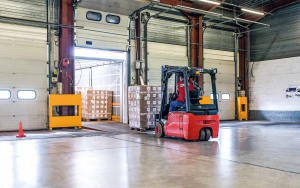
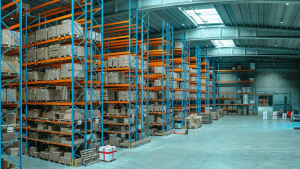
In fact, some of the strongest-performing assets are the ones that remain exactly what they were designed to be—functional, well-located, and operationally efficient warehouses.
The reality is simple:
Value is not created by change alone—it is created by performance.
At Muse, this is where every conversation starts. Not with a concept, but with a question:
Does this building already work better as it is?
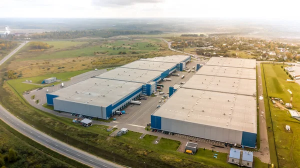
The Problem With “Always Add Value” Thinking
The idea that value must come from change is one of the biggest misconceptions in warehouse investment in the UK.
Investors are often encouraged to pursue change of use strategies without fully understanding the risks involved.
This leads to:
- Overly optimistic appraisals
- Planning uncertainty
- Increased costs
- Longer timelines
- Reduced operational efficiency
In many cases, the original industrial use was already the most appropriate—and profitable—option.
A forced warehouse change of use can weaken an asset that was already performing well.
For a broader perspective on how different strategies impact returns, our property investment strategies guide explains how to evaluate repositioning opportunities properly
When Keeping a Warehouse as Industrial Is the Strongest Strategy
There are clear conditions where maintaining industrial use delivers better outcomes than conversion.
Strong Industrial Location and Demand
If a warehouse is located in an established industrial area with consistent demand, conversion may not be necessary.
Connectivity to major roads, proximity to logistics networks, and access to labour all support long-term performance.
In these cases, demand for industrial space often remains stable or grows—making retention the lower-risk, higher-certainty option.
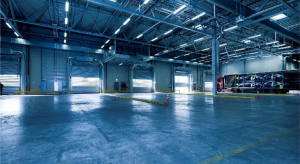
Proven Access and Operational Efficiency
A warehouse that already works operationally has a major advantage.
Efficient access, clear circulation, and functional yard space are difficult to replicate through conversion.
If vehicles can move easily, loading works well, and the site supports occupier needs, the building is already solving the most important problem.
In industrial property investment, functionality often matters more than innovation.
Stable or Improving Rental Performance
If the building is already generating reliable income, the case for change becomes weaker.
Conversion introduces uncertainty, while existing use provides:
- Immediate income
- Lower risk
- Predictable performance
A well-letting industrial unit in a strong location often outperforms speculative redevelopment strategies.
Flexible Building Specification
Buildings with good eaves height, adaptable layouts, and sufficient services can support a wide range of industrial uses.
This flexibility reduces vacancy risk and increases long-term value.
In many cases, improving the existing asset delivers better results than changing it entirely.
The Real Risk: Forcing the Wrong Strategy
One of the biggest risks in warehouse asset management in the UK is forcing a strategy that does not align with the building.
Common consequences include:
- Planning refusal or delays
- Increased development costs
- Loss of operational efficiency
- Reduced tenant appeal
- Longer void periods
A building that performs well as industrial space can quickly lose its advantage if pushed into the wrong use.
This is particularly true in areas where industrial land is protected or where alternative uses are not well supported by demand.
The result is often a more complex, riskier, and less valuable asset.
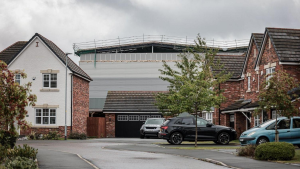
A Better Approach: Improve, Refine, and Reposition Within Use
In many cases, value can be unlocked without changing use at all.
A targeted industrial asset management strategy can deliver meaningful improvements with lower risk.
Yard Reorganisation and Site Efficiency
Improving yard layout, circulation, and loading areas can significantly enhance usability.
This directly impacts tenant satisfaction and operational performance.
Façade Refresh and Identity
A simple external upgrade can reposition a tired building into a more attractive and competitive asset.
Perception plays a major role in attracting occupiers.
Office and Welfare Improvements
Modern occupiers expect better internal environments.
Upgrading office space, welfare facilities, and staff areas can increase rental value and improve tenant retention.
EV Charging Integration
Adding EV charging infrastructure can future-proof the building and attract occupiers with evolving fleet requirements.
However, this must be carefully integrated to avoid disrupting operations.
These improvements focus on enhancing performance rather than changing identity—often delivering stronger returns with less risk.
Planning Reality: Why Industrial Use Is Often the Preferred Outcome
Planning policy across the UK increasingly supports the retention of industrial and employment space.
Local authorities are often resistant to losing industrial land, particularly in areas with strong demand.
Planning applications are typically submitted through the Planning Portal.
Where proposals become more complex, they may be reviewed by the Planning Inspectorate.
Because of this, maintaining industrial use is often the most straightforward and achievable strategy.
To understand how planning decisions are structured, our UK planning permission guide provides a detailed breakdown.
Commercial Reality: Performance Beats Concept
A warehouse does not need a new identity to create value.
It needs to:
- Let consistently
- Operate efficiently
- Meet occupier expectations
- Deliver stable income
A well-performing industrial asset often delivers stronger long-term returns than a speculative conversion.
Understanding this is essential for making informed warehouse investment decisions in the UK.
How to Decide: Keep or Convert?
A Practical Decision Framework
Before pursuing change of use, ask:
Is there strong demand for industrial space in this location?
Does the building already function well operationally?
Are rents stable or improving?
Would conversion introduce planning or technical risk?
Can value be unlocked through targeted improvements instead?
If the fundamentals support the existing use, conversion may not be the right move.
How Muse Helps You Make the Right Call
Honest, Feasibility-Led Advice
Muse works with industrial owners and investors to assess whether a warehouse should remain industrial or be repositioned.
This includes:
- Planning and policy assessment
- Demand and location analysis
- Building and layout review
- Operational performance evaluation
- Improvement strategy recommendations
Why This Matters
Not every building needs a new idea.
Sometimes the best strategy is to refine what already works.
Muse focuses on delivering realistic, commercially grounded advice—not speculative concepts.
To understand this approach in practice, you can explore Muse Architects
[External Link: https://musearchitects.co.uk/]
Or if you want a clear, unbiased view on your building, you can contact the team here
[Internal Link: /contact]
Conclusion: The Best Strategy Is the Right One—Not the Trend
In industrial property, value is not created by following trends.
It is created by making the right decision for the building.
If a warehouse already performs well, forcing change can introduce unnecessary risk.
If it does not, then repositioning may be the right move.
The key is understanding the difference.
Call to Action
Before committing to a change of use, take a step back and assess whether it is actually needed.
Send us your building details—we will review whether the existing use is already the strongest strategy or if a different approach would unlock more value.
Frequently Asked Questions
Should every warehouse be converted?
No. Many warehouses deliver better returns when retained in their existing industrial use.
When is it better to keep a warehouse as industrial?
When demand is strong, access works efficiently, and the building supports operational use.
Can improvements increase value without conversion?
Yes. Yard upgrades, façade improvements, and better facilities can enhance performance significantly.
Why do some warehouse conversions fail?
Because they ignore planning constraints, operational needs, or market demand.
How do I decide whether to convert or retain?
You need to assess planning, demand, building performance, and risk together.