
UK Housing Market After COVID: What Changed — And What It Means for You in 2026
Let’s break this down in the simplest way possible.
When COVID hit, most people expected the UK housing market to crash. It made sense — uncertainty was everywhere, jobs were unstable, and the economy slowed down almost overnight.
But that’s not what happened.
Instead, the market went through one of the most unexpected transformations in recent history. And if you understand what actually changed, you’ll be in a much stronger position whether you’re buying, investing, or developing property today.To understand how these changes translate into real opportunities, it’s important to follow a structured property development strategy and planning approach.
What Actually Happened to the UK Housing Market After COVID?
At the start of the pandemic, the UK housing market experienced a sudden pause. Transactions slowed, viewings stopped, and uncertainty caused many buyers and investors to step back.
However, this slowdown was short-lived. As restrictions eased, the market didn’t just recover — it accelerated rapidly. Pent-up demand, combined with changing lifestyle priorities and supportive economic conditions, created a surge in activity that pushed both transaction levels and house prices higher than pre-pandemic expectations.
Rather than triggering a downturn, COVID acted as a catalyst for structural change — reshaping how people value and use property across the UK.
Why the UK Housing Market Grew Instead of Falling
To understand why the market strengthened instead of falling, you need to look beyond economics and focus on behavioural change.
COVID forced people to spend more time at home, and suddenly their living spaces didn’t feel suitable anymore. Homes that once seemed fine began to feel too small, poorly designed, or restrictive.
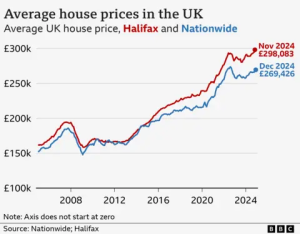
At the same time, government support and lower borrowing costs encouraged buyers to act. Combined with limited housing supply, this created a strong imbalance — and that imbalance pushed prices upward.
There’s also a deeper structural issue here.
Data from the Office for National Statistics shows that housing affordability worsened sharply during the pandemic before gradually stabilising again by 2024.
This tells us something important:The issue wasn’t just COVID — it exposed existing pressure in the housing market.
The Key Trends That Still Shape the UK Housing Market Today
The effects of COVID didn’t disappear. They permanently changed how people think about property.
One of the biggest shifts is the move towards space and flexibility. Buyers are no longer just looking at location — they’re thinking about how a property works for everyday life.
This is closely linked to the rise of remote working. With fewer people tied to offices, demand has expanded beyond city centres into suburban and semi-rural areas.
At the same time, regional differences have become more noticeable. For example, properties in northern regions remain significantly more affordable compared to London, where affordability ratios are still among the highest in the country.
The rental market has also played a key role. Strong demand combined with limited supply has pushed rents higher, creating opportunities for investors — but also increasing pressure on tenants.
What’s Happening in the UK Housing Market Right Now (2025–2026)
The UK housing market is now transitioning from rapid post-COVID growth into a more stable and balanced phase.
We’re now seeing signs of stabilisation rather than rapid growth.
Recent insights suggest that:
- Buyer demand is recovering steadily
- Sales activity is improving
- Confidence is returning
According to recent market updates from Royal Institution of Chartered Surveyors, a growing number of professionals expect house prices to rise again over the next year, with positive sentiment increasing across regions.
However, this growth is expected to be more controlled.
This is no longer a “boom market” — it’s a more balanced and strategic environment.
What UK Housing Market Means for Buyers
If you’re planning to buy, the biggest mistake you can make is waiting for a crash that may never come.
The reality is that the market has already adjusted.
Affordability has improved slightly in recent years, but property prices remain high relative to income. For example, the average home in England still costs around 7.7 times annual earnings, according to ONS data.
What matters now is not timing the market perfectly — it’s making informed decisions.
Buyers who focus on long-term value, location fundamentals, and property quality tend to perform better over time.
What UK Housing Market Means for Investors and Developers
For investors, this market offers real opportunities — but only if approached strategically.
Strong rental demand continues to support income potential, while shifting lifestyle preferences have created demand for new types of housing.
However, costs are also a major factor.
Construction activity has faced fluctuations, with output falling in some periods due to economic pressures before gradually recovering.
This means successful projects today require:
- Careful planning
- Cost control
- Smart design decisions
In other words, it’s no longer about quick wins — it’s about well-executed projects.
Why Design Has Become a Key Investment Factor

One of the most important shifts after COVID is the increased focus on how a property performs, not just where it is located.
Flexible layouts, natural light, and multi-functional spaces have shifted from optional features to essential requirements in modern housing demand.
This is where architects play a crucial role.
A well-designed property doesn’t just look better — it:
- Attracts stronger demand
- Achieves higher rental value
- Performs better long-term
And in a more competitive market, that difference matters.
Planning and Regulations Still Matter (More Than You Think)
Even with all these changes, one thing hasn’t changed — the importance of planning and compliance.
If you’re developing property, you’ll still need to navigate planning policies and building regulations.
Guidance from platforms like Planning Portal and regulatory oversight from bodies such as the Planning Inspectorate remain essential in determining what you can build and how projects are approved.
At the same time, safety standards governed by the Health and Safety Executive ensure that developments meet modern requirements.
Ignoring these steps is one of the fastest ways to delay or derail a project.
How Property Developers Are Adapting Post-COVID
Developers are now focusing on creating properties that offer flexibility, efficiency, and long-term usability rather than simply maximising space.
There is also a stronger emphasis on early-stage planning, cost control, and strategic design decisions due to rising construction costs and market shifts.
As a result, successful developments today are driven by data, planning insight, and design quality — not short-term opportunities.
The Future of the UK Housing Market
Looking ahead, the market is entering a new phase.
We’re moving away from rapid growth and into a period of stabilisation and strategic development.
Key trends shaping the future include:
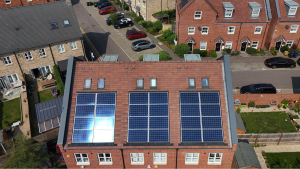
- Greater focus on sustainability
- Demand for energy-efficient homes
- Continued pressure on housing supply
The overall housing stock in the UK remains extremely valuable — worth over £8 trillion, highlighting just how central property is to the economy.
This reinforces one key idea:
Property isn’t just surviving after COVID — it’s evolving.
Common Mistakes People Still Make
Even with all this information available, many people approach the market the wrong way.
Some wait too long, expecting prices to drop significantly. Others underestimate the importance of planning, design, or long-term strategy.
And perhaps the biggest mistake is trying to approach complex property decisions without professional guidance.
How Muse Architects Helps You Make Smarter Property Decisions
If you’re thinking about developing, investing, or transforming a property, the key is not just to follow trends — it’s to understand them.
At Muse Architects, the focus is on helping you unlock the full potential of your property by combining design expertise with planning knowledge and market insight.
Whether it’s navigating approvals, improving layouts, or increasing property value, the goal is simple:
To help you make decisions that work not just today — but long into the future.
FAQs
Did UK house prices fall after COVID?
No. House prices increased significantly due to high demand and limited supply, with values remaining well above pre-pandemic levels.
Is the UK housing market stable now?
Yes. The market has moved from rapid growth to a more stable phase, with moderate price changes and improving buyer confidence.
Is property still a good investment in 2026?
Yes — but success depends on strategy, location, and design rather than short-term timing.
What type of homes are most in demand now?
Homes with flexible layouts, more space, and suitability for remote working are in the highest demand.