Muse Architects

top 12 cities for rentals

Top 12 Cities for Maximum Rental Yields in the UK

The UK property market remains a lucrative avenue for investors seeking rental income. In this comprehensive guide, we will explore the top 12 cities for property investment, considering average rental yields and recommended areas within each city. Investing in property mandates careful consideration of market trends, potential yields, and the unique characteristics of each city. Whether one prefers the vibrant atmosphere of Manchester or the historic charm of Edinburgh, these top 12 cities offer a spectrum of opportunities for property investors seeking optimal rental returns.  1. London Average Rental Yield: 2% to 4% Overview: London, the capital, boasts a diverse property market. While yields are relatively lower due to high property prices, certain areas offer steady returns. Recommended Areas: Islington: Known for its cultural diversity and proximity to central London, Islington can be an attractive option for investors. Greenwich: This historic area offers a blend of modern amenities and historical charm, potentially attracting tenants willing to pay a premium. 2. Bristol Average Rental Yield: 4% to 6% Overview: Bristol’s property market is characterized by moderate to good yields, making it an appealing choice for investors. Recommended Areas: Clifton: Renowned for its Georgian architecture, Clifton is a sought-after area with potential for steady rental income. Redland: With its vibrant community and proximity to the University of Bristol, Redland offers investment opportunities in student housing. 3. Southampton Average Rental Yield: 4% to 6% Overview: Southampton provides a stable property market with moderate to good rental yields. Recommended Areas: Ocean Village: This waterfront area appeals to professionals and offers potential for higher rental returns. Highfield: Home to the University of Southampton, Highfield can be a strategic location for student accommodation. 4. Cambridge Average Rental Yield: 2% to 4% Overview: Cambridge, known for its prestigious university, presents a market with lower rental yields due to high property values. Recommended Areas: Mill Road: A diverse and vibrant area, Mill Road may attract tenants looking for a mix of cultural experiences. Newnham: With its green spaces and proximity to the university, Newnham can be appealing for families and professionals.   5. Edinburgh Average Rental Yield: 4% to 6% Overview: Edinburgh offers a stable property market with moderate to good rental yields. Recommended Areas: Marchmont: Close to the city center and the University of Edinburgh, Marchmont is popular among students and professionals. Stockbridge: Known for its village-like atmosphere, Stockbridge appeals to a diverse range of tenants.   6. Cardiff Average Rental Yield: 4% to 6% Overview: Cardiff provides a stable property market with moderate to good rental yields. Recommended Areas: Cathays: A popular area for students due to its proximity to Cardiff University and affordable housing options. Pontcanna: Known for its parks and proximity to the city center, Pontcanna may attract professionals and families. 7. Manchester Average Rental Yield: 6% to 8% Overview: Manchester stands out with a robust property market and attractive rental yields, making it a hotspot for investors. Recommended Areas: Ancoats: This trendy area offers a mix of modern apartments and cultural attractions, appealing to young professionals. Salford Quays: With waterfront views and proximity to MediaCityUK, Salford Quays is a prime location for rental properties.   8. Birmingham Average Rental Yield: 5% to 7% Overview: Birmingham’s property market has seen consistent growth, providing investors with solid rental yields. Recommended Areas: Digbeth: Known for its arts and cultural scene, Digbeth attracts a diverse tenant demographic. Jewellery Quarter: A mix of historic charm and modern living, the Jewellery Quarter is a sought-after area for professionals. 9. Glasgow Average Rental Yield: 5% to 7% Overview: Glasgow offers a stable property market with moderate to good rental yields. Recommended Areas: West End: Home to the University of Glasgow, the West End is popular among students and professionals. Merchant City: With its vibrant atmosphere and cultural attractions, Merchant City appeals to a diverse range of tenants. 10. Leeds Average Rental Yield: 5% to 7% Overview: Leeds has emerged as a strong contender in the property market, offering investors competitive rental yields. Recommended Areas: Headingley: A popular choice for students and young professionals, Headingley provides affordable housing options. Roundhay: Known for its green spaces and family-friendly environment, Roundhay is attractive to professionals and families. 11. Nottingham Average Rental Yield: 5% to 7% Overview: Nottingham’s property market offers a balance between affordability and rental returns. Recommended Areas: Lenton: With its proximity to the University of Nottingham, Lenton is ideal for student accommodation. Mapperley: A residential area with good transport links, Mapperley appeals to a mix of tenants. 12. Newcastle Average Rental Yield: 6% to 8% Overview: Newcastle provides a robust property market with attractive rental yields. Recommended Areas: Jesmond: A popular choice for students and young professionals, Jesmond offers a vibrant living experience. Ouseburn: Known for its cultural scene and regeneration, Ouseburn attracts a diverse tenant base. Conclusion Investing in property requires careful consideration of market trends, potential yields, and the unique characteristics of each city. Whether you prefer the vibrant atmosphere of Manchester or the historic charm of Edinburgh, these top 12 cities offer a range of opportunities for property investors seeking optimal rental returns. Conduct thorough research, stay informed about local developments, and leverage the expertise of real estate professionals to make the most informed investment decisions. Happy investing! Conclusion: Elevating Investments with Muse Architects Across UK Cities As we traverse the landscape of the UK’s property market, it becomes abundantly clear that investing in real estate is not just a financial decision but a strategic move towards securing a prosperous future. In this nuanced investment environment, Muse Architects, headquartered in Manchester, emerges as the discerning partner for individuals seeking to navigate the intricacies of property ventures across diverse cities. The cities identified in this guide represent not merely locations but thriving hubs with distinctive characteristics. A strategic investment approach necessitates not only understanding the current market dynamics but also envisioning the future trajectory. The selection of these cities is rooted in a meticulous analysis of factors such as rental yields, affordability, and growth projections. As a reputable

architect to developer

From Architecture to Property Development

Embarking on a Career Transition Embarking on a career in architecture paved the way for my eventual transition into the dynamic realm of real estate development. Shifting from envisioning structures to actualising them marked a significant and rewarding evolution in my professional trajectory. Exploring Lucrative Opportunities in Property Development Unlike the comparatively rigid salary structures in architecture, real estate development unveiled a realm of limitless financial potential. In this field, earnings are intricately linked to the successful execution of projects, transcending the income limitations often inherent in traditional architectural roles. This realisation sparked the consideration of real estate development as a means to not only elevate my career but also to enhance my financial prospects. Navigating the Transition The journey from architecture to real estate development is undoubtedly transformative, demanding a strategic approach. Here are key steps that proved instrumental in my own transition, offering guidance for fellow architects aspiring to venture into property development: Leveraging Architectural Knowledge You can use your architectural expertise as a foundational advantage. Understanding the planning application process, building regulations, and design principles gives you a unique edge in conceptualising and executing outstanding building projects. Market Research and Specialisation Conduct thorough market research to identify trends, demands, and opportunities. Specialise in niches where your architectural background aligns seamlessly, ensuring a targeted and strategic entry into property development. Financial Literacy and Risk Management Develop a strong grasp of financial principles and risk management. Real estate development involves financial intricacies that extend beyond architectural considerations. A sound understanding of budgets, financing, and risk mitigation is essential. Educational Foundations for Property Development In the specific context of property development, educational foundations play a pivotal role. Rather than venturing into unrelated business and property management realms, focus on strategic education tailored to your evolving role: Strategic Education Investment Explore academic programs that bridge the knowledge gap between architecture and property development. Courses in project management, real estate finance, and development strategies can enrich your skill set and enhance credibility. Continual Learning in Development Practices Stay informed about industry-specific developments, legal requirements, and emerging trends within property development. Participation in courses, workshops, and seminars dedicated to real estate development ensures ongoing relevance and adaptability. Building Networks and Practical Approaches Networking and practical experience are indispensable components in the journey from architect to property developer: Networking within the Industry Leverage existing architectural connections and actively seek new ones within the property development sector. Attend industry events, engage with professionals, and build a network that provides valuable insights and potential collaborations. Practical Experience from Ground Up Embrace entry-level opportunities that allow for hands-on experience in property development. Practical exposure at the grassroots level, even with prior architectural expertise, is integral for long-term success. Commitment to Continuous Growth In the dynamic landscape of property development, commitment to continuous learning remains key: Adaptation and Skill Enhancement Commit to ongoing skill enhancement and adaptability. As the industry evolves, staying informed about emerging technologies, market shifts, and sustainable practices is crucial. Engagement in Industry Forums Participate actively in industry forums, webinars, and relevant professional associations. This engagement fosters a deeper understanding of industry dynamics and facilitates valuable connections. Conclusion: Flourishing in Property Development In conclusion, the transition from architecture to property development is a strategic move that requires leveraging architectural knowledge, strategic education, building robust networks, and practical experience. By staying committed to continuous learning and growth, architects can position themselves for success in the dynamic and rewarding field of property development, creating not only structures but thriving environments.

Energy Efficient Homes

10 Energy-Efficient Upgrades For Your Home

10 Energy-Efficient Home Upgrades to Save Money and Reduce Your Carbon Footprint If you’re a homeowner, you may be seeking ways to save money on your energy bills while also making your home more comfortable. Fortunately, there are many steps you can take to improve the energy efficiency of your home, whether you live in an older house or a newer one. Here are some tips to get started: 1. Conduct an Energy Audit Before making changes, it’s a good idea to assess how your home currently uses energy. You can do this by hiring a professional energy auditor or using a DIY kit to test for leaks, insulation levels, and other factors affecting energy efficiency. Once you identify where your home is losing energy, you can start making targeted improvements. 2. Insulate Your Home One of the biggest energy drains in many homes is inadequate insulation. If your home is poorly insulated, you’re likely losing heat in the winter and cool air in the summer, causing your HVAC system to work harder and driving up your energy bills. Consider adding insulation to your attic, walls, and floors to improve your home’s energy efficiency. 3. Upgrade to Energy-Efficient Windows and Doors Older windows and doors can be a major source of energy loss. If they are drafty or poorly sealed, you may be losing heat or cool air without realising it. Upgrading to energy-efficient windows and doors can help keep your home comfortable while saving you money on energy bills. 4. Install a Programmable Thermostat A programmable thermostat allows you to set your home’s temperature according to your schedule, helping you save money by reducing energy usage when you’re away or asleep. Some models can even learn your habits and adjust the temperature automatically. 5. Switch to Energy-Efficient Lighting Saving energy and money can also be achieved by switching to energy-efficient lighting, such as LED bulbs. These bulbs use less energy than traditional incandescent bulbs and last much longer, saving you money on replacements over time. 6. Seal Air Leaks Air leaks around windows, doors, and other areas can cause your HVAC system to work harder and use more energy. Seal these leaks with weatherstripping, caulking, or other materials to improve your home’s energy efficiency. 7. Upgrade Your Appliances Older appliances can consume a lot of energy, so consider upgrading to energy-efficient models that use less energy and water. Look for appliances with certified energy labels, indicating they meet strict energy efficiency guidelines set by reputable organisations in the UK. 8. Install Solar Panels For a comprehensive way to save energy and reduce your carbon footprint, consider installing solar panels on your home. Solar panels generate electricity from sunlight, helping you save on energy bills while reducing reliance on fossil fuels. Many reputable UK companies offer solar panel installation services, and government incentives may be available to support your transition to renewable energy. 9. Use a Smart Power Strip Many electronics and appliances continue to use energy even when turned off, known as standby power. You can reduce this usage by using a smart power strip, which automatically turns off electronics when they’re not in use. Look for power strips that comply with UK standards and have features tailored to the local electrical system. 10. Plant Trees and Shrubs Consider planting trees and shrubs around your home to provide shade in summer and insulation in winter. This can help reduce your reliance on heating and cooling, saving you money on energy bills. While air conditioning may not be as prevalent in the UK, natural shading can contribute to a more comfortable living environment. Conclusion There are many ways to make your home more energy-efficient and save money on energy bills in the UK. By conducting an energy audit, upgrading to energy-efficient windows and appliances, and installing solar panels, you can reduce your carbon footprint while enjoying a more comfortable and affordable home. How Muse Architects Can Help Muse Architects can assist homeowners in achieving energy-efficient upgrades and reducing their carbon footprint through sustainable design solutions. As a full-service architecture firm, we can conduct energy audits to identify areas where homeowners are losing energy and suggest targeted improvements. Additionally, we can help select energy-efficient windows and doors, design and install solar panels, and integrate energy-efficient lighting and appliances. Our team can also design homes that are inherently energy-efficient, incorporating features such as passive solar design, insulation, and ventilation systems. By working with Muse Architects, homeowners can save money on energy bills, reduce their carbon footprint, and enjoy a more comfortable and sustainable home tailored to the UK environment.

architects role in property develepment

The Architect’s Role in Property Development

Navigating the Architect’s Role in Property Development: A Guide to Client Understanding A property developer acknowledges that success hinges significantly on collaborating with a skilled architect. In this symbiotic relationship, an architect’s responsibilities extend beyond merely designing buildings. The architect’s role encompasses various tasks, including collating designs from multiple consultants, facilitating the planning process, and overseeing construction activities. When aligned with a developer, the architect becomes an integral part of the project team, contributing to site selection, design and planning, budget management, team selection, and even interior and landscape design. Essentially, the architect is entrusted with adding substantial value to the project by crafting designs that resonate with the target audience and align with the developer’s objectives. Architect’s Planning Role for Developers The architect plays a pivotal role in development planning, initiating projects by crafting meticulous plans and designs. They navigate regulatory compliance, submit planning applications, and engage with local authorities to ensure swift approvals. The architect adapts designs based on feedback, negotiates for project support, and employs visual representations to convey project merits. Collaborating with consultants, they monitor the process, compile comprehensive documentation, and serve as the project’s ambassador, laying the groundwork for successful construction. Team Curation Ensuring that a proficient project team is in place involves hiring experienced civil, geotechnical, and structural engineers. Design Implementation and Construction Oversight Architects are responsible for implementing the approved design and overseeing the construction phase. The Significance of an Architect to a Developer Cost-Effective Realisation: Architects help developers achieve their goals in a cost-effective manner. Project Management Expertise: They contribute to effective project planning, supervision, and management, mitigating risks that could lead to project failure. Timely Delivery: Developers rely on architects for their experience in the building process to ensure projects are delivered on time. Team Assembly Skills: Architects excel in forming a skilled and experienced project team, which is crucial for project success. Understanding Developer Goals: They comprehend the needs and aspirations of developers, translating them into projects that are not only aesthetically pleasing but also aligned with the developer’s vision. Value Addition: Architects consider factors that might be overlooked by developers, consistently striving to enhance the overall value of the project. Regulatory Compliance: Developers require architects to prepare building plans and specifications for submission to local planning authorities, ensuring compliance and securing necessary permissions. Tips for Architects Working with Developers Effective collaboration between architects and developers relies on clear communication and understanding. Here are some valuable tips for architects when working with developers: Clarify Service Expectations: Ensure a clear understanding of the services expected from the architect by the developer. Agree on Fees: Collaboratively decide on a fee structure for the architect’s services. Foster Open Communication: Cultivate an environment of open communication, encouraging developers to ask questions and architects to provide informative answers. Professional Reference Sharing: Provide the developer with a comprehensive list of past projects and clients, establishing professional credibility and references. Architectural Qualification: Membership in the national institute for architects signifies architectural licensure and qualification. Site Familiarity: Visit the project site before initiating the design process, taking note of its current condition. Understand Planning Requirements: Visit local planning authorities or councils to understand planning requirements before initiating the building plan. In Conclusion Working as an architect for a property developer can become a seamless and fruitful experience when expectations are clear and collaboration is fostered. By adhering to the outlined tips and understanding the uniqueness of each project and client, architects can not only excel in their role but also cultivate robust and harmonious professional relationships with developers. The key lies in comprehending and responding to the distinct needs of every project, ensuring that each design reflects the aspirations of the developer and resonates with the targeted audience.

Unlocking Architectural Excellence: Your Guide to Choosing the Right Architect in Manchester

Here at Muse Architects We understand that a home is more than just a structure; it’s a place where your life unfolds. Whether you’re envisioning a room transformation or planning a comprehensive remodel, we believe that an architect can be an invaluable partner to help you achieve your home goals. Let us guide you through the process of hiring and working with an architect to make your dreams a reality. Understanding the Need for an Architect Life is ever-changing, and your home should adapt to meet your evolving needs. Perhaps your family is growing, and you need extra space, or your home business has outgrown your kitchen table. It could be that you want to accommodate an elderly relative who faces mobility challenges. Whatever the reason, our lives change, but our homes remain static. To ensure your home keeps pace with your life, you’ll likely consider remodelling. Home remodelling, whether it involves adding a new bathroom, expanding your kitchen, or embarking on a substantial house extension, often entails financial investment, meticulous planning, and sometimes a fair share of stress. It can raise numerous questions beyond design choices, such as whether or not you should hire an architect. In a world where DIY projects are celebrated, hiring an architect might be seen as a luxury, and it may seem costly. It’s true that for some smaller projects, you can complete a remodel without architectural help, provided you have a strong design sense, a clear vision, or access to individuals who can create plans that meet local building regulations. However, the question you should ask yourself is: “Do I want to go it alone?”   Levels of Architectural Design Service Architects are distinct from other designers in that they are licensed professionals in the regions they practice. To earn a licence, an architect must complete a rigorous educational programme, gain experience through internships, and pass a comprehensive exam. This ensures that architects possess a high level of expertise in design, materials, and building systems. There are architectural designers, sometimes referred to simply as designers, who have studied and practised architectural design but are not licensed. They may work independently or in collaboration with licensed architects. Additionally, many builders offer home design services, and some have dedicated, in-house designers. Design-build firms provide both architectural design and construction services under one roof, with some firms led by architects and others having architects on staff. Draftspersons are responsible for translating plans onto paper. They create the drawings needed for construction, typically after the design is finalised. Drafters often work closely with licensed architects or builders. While any of these professionals can potentially assist you in designing your remodel, homeowners, especially those planning smaller projects, may underestimate the challenges of adapting an existing home to meet new expectations. Architects are trained to identify possibilities in every structure and are experts at translating these possibilities into detailed plans that builders can execute with precision. When to Consider Hiring an Architect Here are scenarios in which you should consider hiring an architect: You Have a Design Dilemma: When you have a problem with your home and no idea how to solve it, a good architect can help you explore creative solutions that align with your budget and lifestyle. Optimising Existing Space: If you feel cramped and want to make better use of your existing space without adding an extension, an architect can reconfigure underutilised areas to meet your needs. Guidance Through Complex Decisions: Major remodelling requires numerous decisions on unfamiliar topics. An architect serves as an intermediary, offering advice to steer your project toward the best outcomes. Local Building Regulations: In some areas, an architect’s or engineer’s sign-off is mandatory for certain remodelling projects. Always check with your local building department. Unique or Challenging Projects: Projects that demand unique designs, historic preservation, style changes, or complex locations are best handled by architects. Budget Concerns: While hiring an architect adds an additional cost, they can save you money through value engineering and helping you avoid costly mistakes in materials or design. How to Find the Right Architect — Unlocking Architectural Excellence Once you’ve decided to hire an architect, finding the right one is crucial. It’s not just about their design expertise; it’s also about communication and cost. To find the right architect for your project, follow these steps: Explore Their Work: Home design magazines and websites showcase architects’ work and often provide insight into their approach to projects. Websites like HomeAdvisor and Houzz allow you to search for architects by location. RIBA Client Services: Contact your local chapter of The Royal Institute of British Architects (RIBA) for architect recommendations. Many state chapters list members on their websites. Visit Their Website: Explore the portfolios of potential architects and learn about their design philosophy, approach, and experience. Word of Mouth: Recommendations from friends are valuable, but keep in mind that the right architect for one project may not be suitable for yours. The Interview: What to Expect When you’re ready to hire an architect, start the interview process: Prepare for Your Meeting: Compile inspirational photographs, existing home plans, and any ideas you have for your project to discuss during the interview. Questions for the Architect: Ask questions to understand the architect’s design philosophy, process, and previous projects. Inquire about the architect’s experience with projects similar to yours and request references. Review Presentation Methods: Find out how the architect presents their plans and designs. Determine if you are comfortable with their methods. Clarify Responsibilities: Clearly define your roles and responsibilities in the design process. Establish the architect’s fee structure and understand how and when payments will be made. Architectural Fees Architects’ fees vary widely, depending on the project, the local economy, and the architect’s experience and reputation. Fees typically range from £1,800 to £8,375, depending on the complexity and size of the project, with an average of £2,450 for mid-size projects. However, fees can be much higher, depending on the size and complexity of the job. Your best gauge is to

What Are Building Regulations - Commercial & Residential Architects Manchester

What Are Building Regulations – Commercial & Residential Architects Manchester

Building Regulations Building regulations are a set of rules that govern the construction, design, and alteration of buildings in the UK. These regulations are in place to ensure the safety and wellbeing of the people who live or work in the buildings, as well as to ensure the energy efficiency and sustainability of the structures. To comply with building regulations, individuals or companies carrying out building work must obtain approval from the relevant building control body before commencing work. This can be done through either a Full Plans Building Control application or a Building Notice application, depending on the complexity and scale of the work. At Muse Architects, we are a leading architectural firm in Manchester, offering building regulations services to a wide range of clients. As a RIBA Chartered Practice, we have extensive experience and knowledge in building regulations and can provide a comprehensive service to ensure that your project complies with all necessary regulations. Our team of architects and designers possesses a deep understanding of building regulations and can provide expert guidance throughout the process. The cost of building regulations drawings will depend on the level of service offered by the architect or practice you are working with. It is generally recommended to work with an RIBA chartered practice, as they will have a higher level of experience and knowledge, enabling them to provide a more comprehensive service. The cost of building regulations drawings typically starts at around 3% of the construction cost, but this can vary depending on the specific requirements of the project. Types of Building Regulations Plans Different types of building regulations plans may be required depending on the nature of the work being carried out. For new builds, the plans should detail the structure, fire safety measures, sound insulation, ventilation, drainage, electrical design and installations, and mechanical design and installations. For property conversions, such as converting a house into flats, the plans should also include information on means of escape, insulation, and ventilation. Similarly, building regulations plans for loft conversions should include information on structure, fire safety, sound insulation, ventilation, drainage, electrical and mechanical design and installations, as well as details on the minimum ceiling height required. For extensions, the plans should include information on structure, fire safety, sound insulation, ventilation, drainage, electrical and mechanical design and installations, as well as details on means of escape or sprinkler systems if necessary. Most structural work, including new builds, alterations, extensions, and change of use, requires building regulations approval. This includes projects such as garages, loft conversions, roof extensions, balconies, roof terraces, basement extensions, garage conversions, barn conversions, flat conversions, and structural alterations. However, there are some exceptions, such as certain types of detached garages and agricultural buildings. Muse Architects’ Services Muse Architects understands the importance of building regulations and offers various services to ensure that your project complies with all necessary regulations. We can help you choose the appropriate building regulations plan, depending on the nature of the work, and guide you through the process of obtaining approval. We can also provide detailed building regulations drawings, which will help you save time and money in the long run. It typically takes around five weeks for a decision to be issued on a Full Plans Building Control application, although this can be extended to a maximum of two months if agreed by both parties. Work can commence on site before the approval notice is received, but the building control body must be notified that approval has been sought before larger works begin. Muse Architects can help you navigate this process, ensuring that you are aware of all timelines and requirements, and can obtain the necessary approvals in a timely manner. Conclusion In conclusion, building regulations are a crucial aspect of any construction, design, or alteration project in the UK. They ensure the safety and sustainability of buildings, and compliance is mandatory for any work being carried out. Obtaining building regulations approval can be complex, but with the help of a reputable and experienced architectural firm, such as Muse Architects, the process can be streamlined and simplified. Muse Architects, a leading architectural firm based in Manchester, offers a wide range of building regulations services for buildings of all sizes. From commercial units to loft conversions, we are here to ensure that your project complies with all necessary regulations. Our team of experienced architects and designers has a deep understanding of building regulations and can provide expert guidance throughout the process. We can help you choose the appropriate building regulations plan, guide you through the approval process, and provide detailed building regulations drawings to save you time and money. If you are planning a construction, design, or alteration project and need help with building regulations, we recommend contacting Muse Architects for more information on how we can assist you. Our team of experts can provide you with detailed information on our services and help you navigate the building regulations process, ensuring that your project is compliant and that you can move forward with confidence. About Muse We are your Residential and Commercial Architects At Muse Architects, we offer a wide range of local architectural services to clients in Manchester and beyond. From building control in Manchester to office design project management, our team of experienced architects has the skills and expertise to handle any project. Whether you’re looking for commercial building architects or residential architects near you, we’re here to help. As a local architect, we understand the unique challenges and opportunities of designing buildings in Manchester. We specialise in Manchester residential architect services and work closely with clients to create beautiful, functional spaces. Our 3D property visualisation services, including 3D visualisation for city planning and interior design, are designed to help you bring your vision to life. Contact us today to learn more about how Muse Architects can help you achieve your architectural goals.

Real Estate and Architecture

Real Estate and Architecture: How to Make Both Work Out

When it comes to negotiating a property, it is essential to understand all the characteristics that contribute to its value—be they aesthetic, structural, or functional. Buyers may decide to purchase based on one or more of these attributes. This collection of important elements constitutes architecture, which is directly related to the real estate market. Some buyers prioritise architecture in their property research. Therefore, those working in the real estate market should familiarise themselves with the influences that shape architecture and its main characteristics to effectively negotiate and assist in selling a property. With that in mind, we present this article to provide an overview of the topic. Let’s explore this subject further. The Key Role of an Architect The architect is a creator and designer, regarded as an artist with technical skills that allow them to achieve original works that are intended to be realised. They must master the technical construction standards relevant to their projects, including site management, internal and external aesthetics, ventilation, insulation, and energy-saving systems. This expertise justifies the need for extensive training after obtaining a BSc to master all the technical and scientific parameters relating to geology, physics, geography, and more. An architect’s talents in innovation and creativity distinguish them from their colleagues. Unlike real estate agents, architects can sign public works contracts, and their works are protected by intellectual property law. The Key Role of a Real Estate Agent The real estate agent comes into play once the construction has been completed, taking charge of marketing the property. They serve as commercial intermediaries representing the sale or rental of a building, highlighting its qualities and assets as established by the architect, thereby attracting potential customers. If the work carried out by the architect is for residential purposes, the intervention of a real estate agent may be unnecessary. Real estate agents utilise their commercial skills to negotiate on behalf of their clients to conclude the sale or lease contract. The most experienced agents often have a network that provides access to information on all real estate transactions, urbanisation projects, and other valuable insights, which they can leverage for their clients. Advantages of Having Experience in Architecture When an agent has an architectural background, they are well-positioned to attract clients seeking properties for renovation. Regarding property inspection and evaluation, architects can offer valuable opinions to buyers throughout the process. Their knowledge of aesthetics enables them to educate clients on renovation proposals. Experience in sustainable practices, such as energy efficiency and eco-friendly materials, is also beneficial, as many buyers are interested in these aspects. Trained architects possess extensive knowledge of construction strategies, allowing them to manage documentation for transactions. In contrast, a real estate professional without this expertise may need to consult an architect, potentially delaying the transaction. In a fast-moving market, these advantages can significantly benefit clients. How to Take the Next Step Combining knowledge of both architecture and real estate can be challenging and time-consuming, but the rewards are substantial. With experience in both fields, you become a valuable asset to your clients, enabling you to execute unique and exceptional projects that enhance your financial success. This creates a win-win situation for both you and your clients. About Muse We are your Residential and Commercial Architects At Muse Architects, we offer a wide range of local architectural services to clients in Manchester and beyond. From building control in Manchester to office design project management, our team of experienced architects has the skills and expertise to handle any project. Whether you’re looking for commercial building architects or residential architects near you, we’re here to help. As local architects, we understand the unique challenges and opportunities of designing buildings in Manchester. We specialise in Manchester residential architect services and work closely with clients to create beautiful, functional spaces. Our 3D property visualisation services, including 3D visualisation for city planning and interior design, are designed to help you bring your vision to life. Contact us today to learn more about how Muse Architects can help you achieve your architectural goals.

Basement Conversion

Basement Conversion Ideas for Beginners

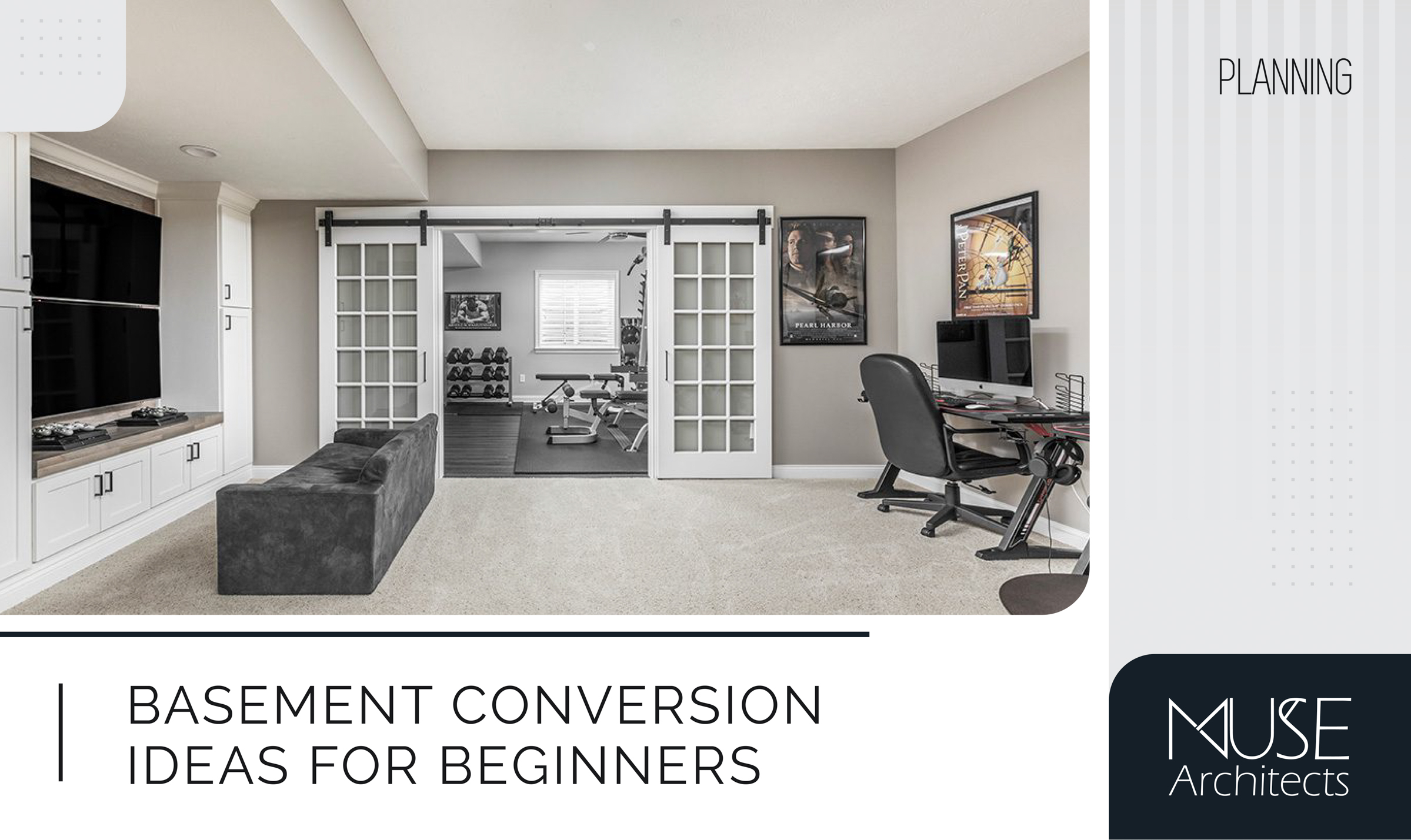
Did you know that you can convert your empty basement into a usable living space? Exciting, right? But now that you know, what can you convert your basement into? Remember, it’s essential to create a space you can utilise often; that’s the main reason for the conversion in the first place. If you’re short on ideas, don’t worry! Here’s a list of some great basement conversion concepts for you. Create a Personal Cinema Since basements typically don’t receive natural light, they are ideal for creating a home cinema. If you enjoy quality entertainment, this is a fantastic idea. You can watch movies and hang out with friends and family without interruptions or distractions. Create a Bedroom If you need an extra bedroom, consider converting your basement into a sleeping space for you, your family, or guests. This option is often easier, more cost-effective, and quicker than building an extension. However, be sure to adhere to all building regulations and check with your local planning authority to see if you need planning permission. Additionally, consider how you will provide essential features like lighting, heating, waterproofing, and ventilation. These elements are critical, as you wouldn’t want to sleep in a room where natural light can’t penetrate. Create a Man Cave If you need a quiet place to relax, a Man Cave is the perfect solution. Your basement is an ideal space for this! You can customise it with whatever you desire—think minibars, a refrigerator stocked with drinks, a pool table, gym equipment, or even a recording studio. Your Man Cave should be a personal retreat where you can enjoy your favourite pastimes without disturbances. Create an Extra Kitchen If you require additional cooking and dining space, especially if your basement offers a lovely view of the garden, consider converting it into an extra kitchen. Create a Personal Gym Did you know you can have your gym right at home? Converting your basement into a gym is not only convenient for keeping fit, but it also allows for easy access and personalisation. You can arrange the gym equipment exactly how you like, making it one of the simplest conversions. Create a Playroom If you have children and a large family, finding space for them to play and store their toys can be challenging. Transform your basement into a playroom for your kids, which can also serve as a storage area for their toys. This will help reduce clutter and create more space. As your children grow older, you can adapt the playroom into a space where both adults and teenagers can enjoy quality time together. Conclusion Converting your basement into a habitable area not only provides extra space but also solves various challenges you may face. Deciding what to convert your basement into can be daunting, especially if you’re new to basement conversions. However, with the ideas presented in this guide, you can confidently embark on your basement transformation journey. We hope you enjoyed reading this guide as much as we enjoyed writing it. Make sure to apply what you’ve learned!

Single Storey Extensions

Our Guide to Single Storey Extensions

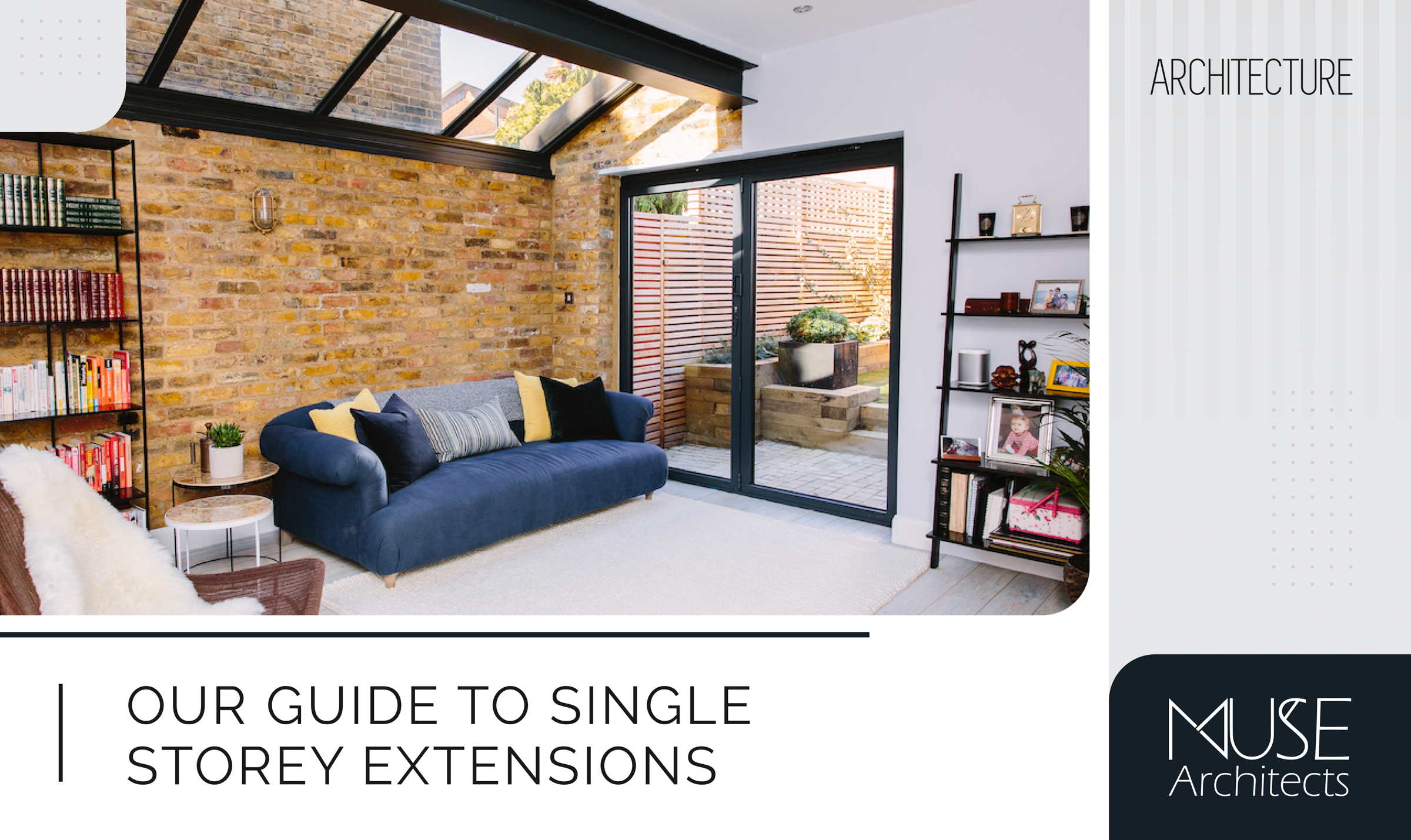
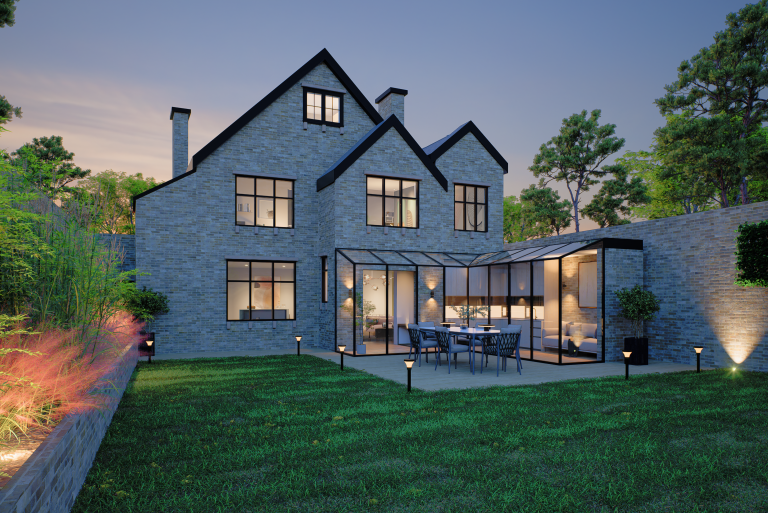
Understanding Single-Storey Extensions A single-storey extension can significantly increase valuable habitable space and uniquely redesign your home. It provides compelling reasons to enhance your house rather than move to a new one. Below are the key aspects you need to know about single-storey extensions. The Design This aspect allows for creativity. Start by sketching how you envision your extension on a sheet of paper. List all the essential features and additional elements you want to include to enhance your extension. Consider key factors such as the size of the additional space, lighting, extra kitchen features, and the location of the extension. Typically, single-storey extensions are added to the rear or side of the house. Discuss with an Architect Once you have a clear idea of what you want, it becomes easier to discuss your extension with an architect. An architect can refine your ideas and enhance your extension, enabling you to enjoy it even more. While you can consult a builder, engaging an architect ensures professional expertise. Key considerations include how to allow natural light into the extension and whether you want it to blend with the existing building or stand out, as well as preferences for ceiling height and roof type. Budget When building your extension, it’s easy to exceed your intended budget. Start by making a list of all essential purchases. Ensure you buy high-quality, durable building materials that will serve you well over time. Items like furniture and luxury finishes can be added later after the extension is built. A single-storey extension typically costs between £1,200 and £1,600 per square metre. If your extension requires expensive materials or features, the cost will increase. Additionally, your location will influence the overall cost. Don’t forget to factor in extra costs for lighting, waterproofing, decorating, and flooring. Is Planning Permission and Building Regulations Required? Many single-storey extensions can be built without requiring planning permission under Permitted Development. According to the rules, a single-storey rear extension is eligible for this if it doesn’t exceed the rear wall by 6m to 8m. Even if your extension qualifies for Permitted Development, certain limitations apply, such as a maximum height of 4m. An experienced architect or builder will be familiar with these restrictions, but it’s wise to consult your local planning authority. If your extension is eligible for Permitted Development, you need to apply for a Lawful Development Certificate from your local planning authority to confirm that your extension meets the requirements and is legal. However, if your single-storey extension is particularly large, you won’t qualify for Permitted Development and will need to apply for planning permission. You can ask your local planning authority for guidance or fill out an application online. Once submitted, you’ll typically wait eight weeks for a decision. If a decision is not reached within this timeframe, you will be notified in writing. If your application is denied or delayed, you can appeal the decision. In addition to planning permission, you must ensure that your single-storey extension complies with building regulations. These include proper ventilation, electricity and water supply, emergency exits in case of fire, and heating. Your extension must meet all these requirements before construction can begin. Conclusion Having extra space where you can live is essential. However, creating an additional habitable area requires time and adherence to specific processes. We hope this guide proves useful as you plan to build your single-storey extension. About Muse We are your Residential and Commercial Architects At Muse Architects, we offer a wide range of local architectural services to clients in Manchester and beyond. From building control in Manchester to office design project management, our team of experienced architects has the skills and expertise to handle any project. Whether you’re looking for commercial building architects or residential architects near you, we’re here to help. As local architects, we understand the unique challenges and opportunities of designing buildings in Manchester. We specialise in Manchester residential architect services and work closely with clients to create beautiful, functional spaces. Our 3D property visualisation services, including 3D visualisation for city planning and interior design, are designed to help you bring your vision to life. Contact us today to learn more about how Muse Architects can help you achieve your architectural goals.

How to Budget for Your Extension or New Build

How to Budget for Your Extension or New Build

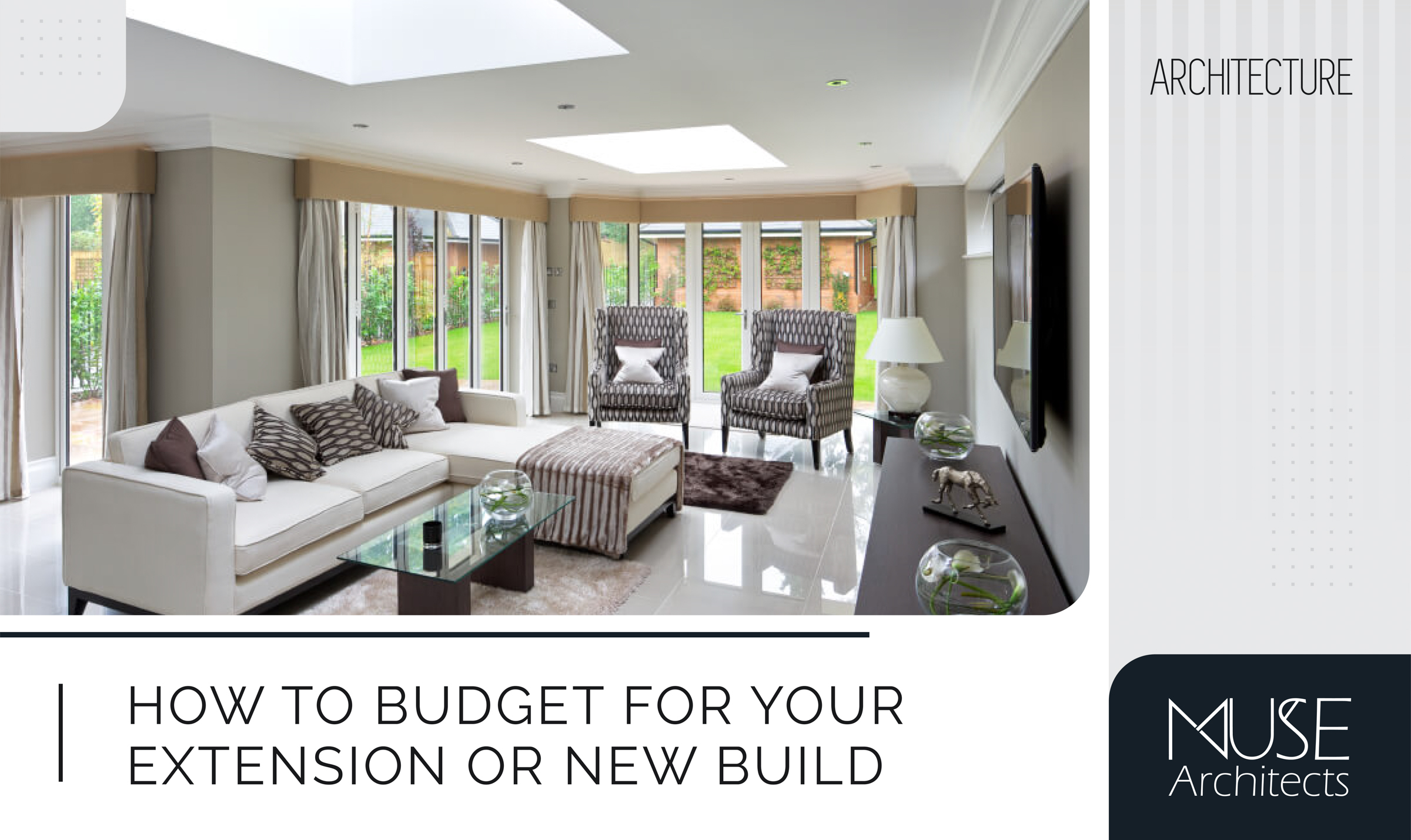
Creating a Budget-Friendly Extension It is possible to have a budget extension if you plan carefully and utilise innovative designs that will save you costs. Being creative will not only make your extension look beautiful but will also ensure you don’t overspend. To budget effectively for an extension or new build, you must know where to save and when to invest. Below are some cost-effective ways to create a budget extension without spending a fortune. Know What You Want Before planning a budget for your extension, there are certain factors you must consider. Ask a real estate agent if the extension you plan to undertake will add extra value to your property. Typically, the larger the extension, the more value it adds; however, this also means higher costs for you. If you’re looking for a cost-effective option, a small extension may be your best bet. Decide on the size of the extension you want before proceeding. Additionally, consider whether converting existing space into a habitable area would be cheaper than building an extension. The primary reason for building an extension is to gain extra space for use. If you can convert an existing area into a usable space at a lower cost, there may be no need for a more expensive extension. Use Simple but Durable Building Materials Using simple materials for your extension can be a cost-effective approach. Not only will this help keep costs down, but durable materials will ensure that your extension lasts longer. Simple building materials and fittings are often easier to install and cheaper to procure. Purchase Only Standard Interior Furniture and Decorations Opting for ready-made windows and doors isn’t always the best choice, as they may not meet your desired standards. Choosing standard interior furniture and decorations will save you time on unnecessary replacements and significant money in the long run. Don’t Be Deceived by Expensive Brands Choosing expensive brands does not guarantee the best quality products or value for your money. Affordable brands or local DIY stores can provide quality items without the high price tag. Ways to Prevent Wastage in Building an Extension Preventing wastage is another excellent way to build a budget extension. Here are some strategies to help you save costs when planning your extension: If you’re creating a kitchen extension, consider reusing furniture and items from your existing kitchen. If you can’t reuse items, sell them to save space and generate extra cash. When buying building materials like roof tiles and bricks, consider sourcing from individual sellers online or from a reclamation yard. This can allow you to find quality products at significantly lower prices. Stick to your original plan for the extension, including size, location, and materials. This will help prevent additional costs that may arise from deviating from your initial plans. Comply with building regulations to avoid costly corrections to an already built extension. When hiring professionals such as architects, surveyors, or engineers for your budget extension, inquire about their services and the total fees involved. Conclusion Achieving a budget extension is quite feasible if you plan carefully and apply the insights from this guide. With thoughtful consideration and creativity, you can create a space that enhances your home without breaking the bank.

Select the fields to be shown. Others will be hidden. Drag and drop to rearrange the order.
  • Image
  • SKU
  • Rating
  • Price
  • Stock
  • Availability
  • Add to cart
  • Description
  • Content
  • Weight
  • Dimensions
  • Additional information
Click outside to hide the comparison bar
Compare