Summarise with AIClaudeChatGPTGeminiWhy Office Layout Efficiency Decides Whether a Conversion Makes Money Planning approval doesn’t make a project profitable. Efficiency does. Most developers assume that once planning permission is secured, the hardest part of a conversion project is over. In reality, that’s only the beginning. The real difference between a profitable scheme and an underperforming one lies in how efficiently the building works internally. Two identical buildings with the same planning approval can produce completely different financial outcomes. The reason is simple: internal layout efficiency determines how much usable, saleable, or lettable space you actually create. The Hidden Variable: Internal Efficiency Internal efficiency is not a design luxury—it is the foundation of value creation. When converting an office building, every square metre must work harder to justify its cost and maximise its return. The factors that quietly control profitability include: Core positioning Corridor lengths Riser placement Window rhythm Unit configuration These are not minor design choices. They are the difference between a scheme that performs and one that underdelivers. Where Profit Is Won (or Lost) 1. Core Positioning The placement of the core—housing stairs and lifts—has a direct impact on how efficiently a floor plate can be used. When positioned poorly, it fragments the layout and increases circulation space, often leading to compromised unit designs. A well-positioned core, however, creates a more rational and efficient layout. It allows better unit depth, improves access to natural light, and maximises usable frontage. In practical terms, this means: Less wasted circulation space Better-quality unit layouts Higher value per square metre 2. Corridor Lengths and Circulation Efficiency Corridors are necessary, but they do not generate revenue. Every additional metre of corridor increases cost without contributing to saleable or lettable area. Inefficient layouts often stretch circulation unnecessarily, creating dead space and reducing overall efficiency. This directly impacts profitability. Efficient schemes, on the other hand, focus on: Minimising corridor length Maximising usable floor area Improving net-to-gross efficiency 3. Riser Placement and Services Strategy Service risers influence both design flexibility and construction efficiency. When poorly positioned, they force awkward layouts, increase complexity, and raise build costs due to inefficient service routing. When properly aligned, they support a more logical layout and smoother construction process. This results in: Simpler and more repeatable unit layouts Reduced construction complexity Better cost control during delivery 4. Window Rhythm and Unit Quality Window placement is one of the most defining constraints in any conversion project. It directly affects how units can be designed and how desirable they will be in the market. Ignoring window rhythm often leads to dark interiors and awkward room layouts. Aligning the design with the existing facade, however, creates high-quality living spaces that perform better commercially. Strong layouts achieve: Well-lit, desirable units Functional room configurations Higher sales and rental appeal Why Inefficient Layouts Kill Value Many conversion projects fail not because of planning issues, but because of poor internal design decisions. Inefficient layouts tend to produce too much dead space, awkward unit configurations, and compromised living environments. In most cases, the problems show up as: Excess circulation space that adds no value Units with poor proportions or limited natural light Reduced market appeal and lower achievable prices Even if a scheme meets planning requirements, it still has to compete in the real market—and the market rewards quality and efficiency. Good Architecture Is About Extracting More Value Architecture in conversion projects is not just about appearance or compliance. It is about extracting the maximum possible value from a fixed structure. The building envelope is already defined. The opportunity lies in how intelligently the internal space is organised. The more efficiently that space is used: The higher the unit yield The better the unit quality The stronger the financial return How Smart Developers Approach This Experienced developers do not commit to a single layout too early. Instead, they test multiple scenarios to understand what works best before moving forward. This approach allows them to: Compare different unit yield options Identify inefficiencies early Optimise layouts before planning submission Reduce costly design revisions later How Muse Architects Protects Your Profit At Muse Architects, the focus is not just on getting planning approval—it is on ensuring that projects perform financially. Through early-stage test-fit studies, different layout strategies are explored before committing to a scheme. This helps identify inefficiencies, improve yield, and avoid costly mistakes. Explore more here: Musearchitects.co.uk/services Musearchitects.co.uk/change-of-use Musearchitects.co.uk/blog The Bottom Line Two developers can take on the same building and achieve very different outcomes. One delivers a high-performing, profitable scheme, while the other struggles with inefficiency and reduced returns. The difference is not planning approval or location. It comes down to how efficiently the internal space is designed. Call to Action Before committing budget to any conversion scheme, it is critical to understand how well the building can actually perform. Ask for a quick test-fit study before moving forward. That one step can be the difference between a project that looks viable—and one that truly makes money. FAQs What is office layout efficiency in conversions? Office layout efficiency refers to how effectively internal space is planned to maximise usable area while minimising wasted circulation space. Why do some office conversions fail financially? They fail due to inefficient layouts that reduce usable space, create poor-quality units, and lower overall value. How can layout efficiency improve ROI? By increasing saleable area, improving unit design, and reducing unnecessary construction costs. What is a test-fit study? A test-fit study evaluates multiple layout options early to determine the most efficient and profitable design approach. Does planning approval guarantee profit? No. Profit depends on how efficiently the internal layout is designed, not just on planning approval.
Why Office Layout Efficiency Decides Whether a Conversion Makes Money
Planning approval doesn’t make a project profitable. Efficiency does.
Most developers assume that once planning permission is secured, the hardest part of a conversion project is over. In reality, that’s only the beginning. The real difference between a profitable scheme and an underperforming one lies in how efficiently the building works internally.
Two identical buildings with the same planning approval can produce completely different financial outcomes. The reason is simple: internal layout efficiency determines how much usable, saleable, or lettable space you actually create.
The Hidden Variable: Internal Efficiency
Internal efficiency is not a design luxury—it is the foundation of value creation. When converting an office building, every square metre must work harder to justify its cost and maximise its return.
The factors that quietly control profitability include:
- Core positioning
- Corridor lengths
- Riser placement
- Window rhythm
- Unit configuration
These are not minor design choices. They are the difference between a scheme that performs and one that underdelivers.
Where Profit Is Won (or Lost)
1. Core Positioning
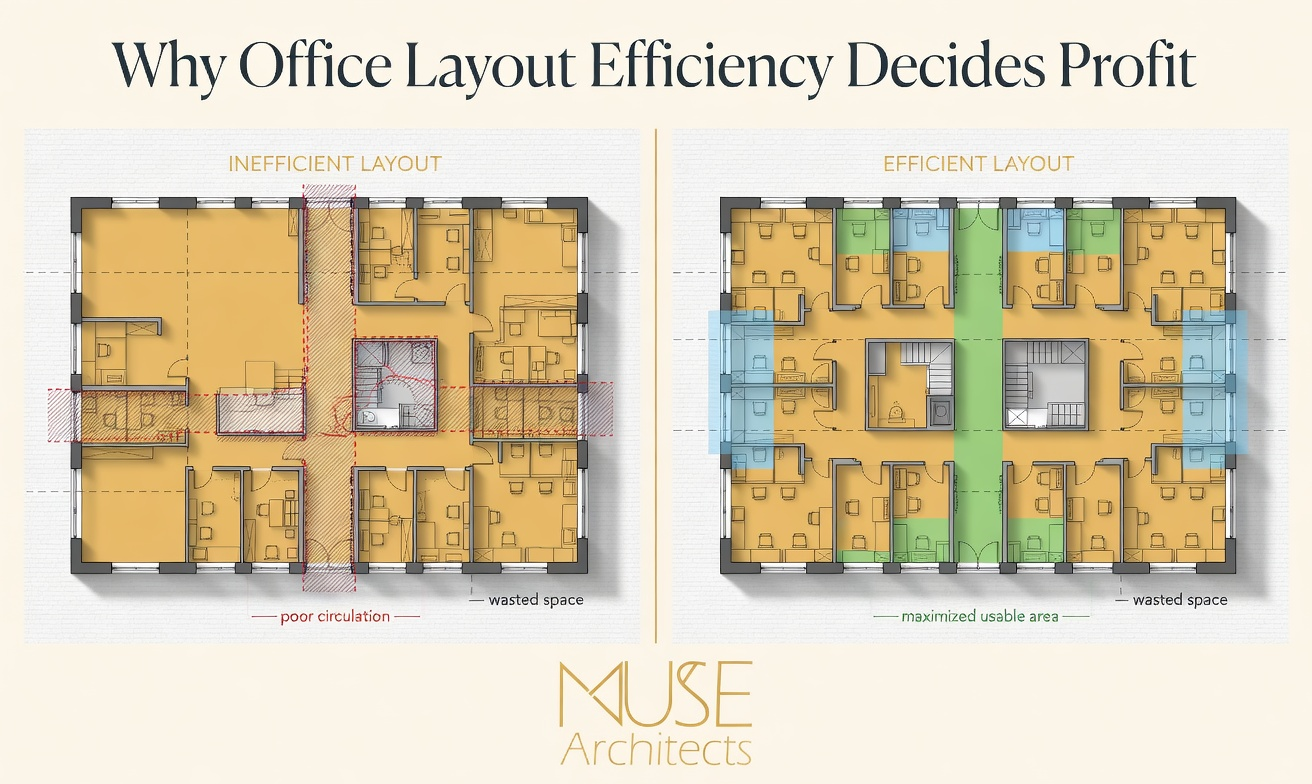
The placement of the core—housing stairs and lifts—has a direct impact on how efficiently a floor plate can be used. When positioned poorly, it fragments the layout and increases circulation space, often leading to compromised unit designs.
A well-positioned core, however, creates a more rational and efficient layout. It allows better unit depth, improves access to natural light, and maximises usable frontage.
In practical terms, this means:
- Less wasted circulation space
- Better-quality unit layouts
- Higher value per square metre
2. Corridor Lengths and Circulation Efficiency
Corridors are necessary, but they do not generate revenue. Every additional metre of corridor increases cost without contributing to saleable or lettable area.
Inefficient layouts often stretch circulation unnecessarily, creating dead space and reducing overall efficiency. This directly impacts profitability.
Efficient schemes, on the other hand, focus on:
- Minimising corridor length
- Maximising usable floor area
- Improving net-to-gross efficiency
3. Riser Placement and Services Strategy
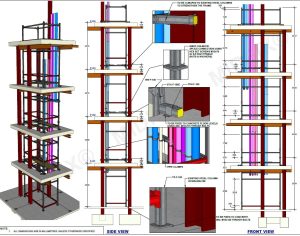
Service risers influence both design flexibility and construction efficiency. When poorly positioned, they force awkward layouts, increase complexity, and raise build costs due to inefficient service routing.
When properly aligned, they support a more logical layout and smoother construction process.
This results in:
- Simpler and more repeatable unit layouts
- Reduced construction complexity
- Better cost control during delivery
4. Window Rhythm and Unit Quality

Window placement is one of the most defining constraints in any conversion project. It directly affects how units can be designed and how desirable they will be in the market.
Ignoring window rhythm often leads to dark interiors and awkward room layouts. Aligning the design with the existing facade, however, creates high-quality living spaces that perform better commercially.
Strong layouts achieve:
- Well-lit, desirable units
- Functional room configurations
- Higher sales and rental appeal
Why Inefficient Layouts Kill Value
Many conversion projects fail not because of planning issues, but because of poor internal design decisions. Inefficient layouts tend to produce too much dead space, awkward unit configurations, and compromised living environments.
In most cases, the problems show up as:
- Excess circulation space that adds no value
- Units with poor proportions or limited natural light
- Reduced market appeal and lower achievable prices
Even if a scheme meets planning requirements, it still has to compete in the real market—and the market rewards quality and efficiency.
Good Architecture Is About Extracting More Value
Architecture in conversion projects is not just about appearance or compliance. It is about extracting the maximum possible value from a fixed structure.
The building envelope is already defined. The opportunity lies in how intelligently the internal space is organised.
The more efficiently that space is used:
- The higher the unit yield
- The better the unit quality
- The stronger the financial return
How Smart Developers Approach This
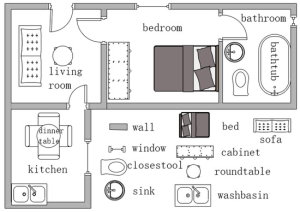
Experienced developers do not commit to a single layout too early. Instead, they test multiple scenarios to understand what works best before moving forward.
This approach allows them to:
- Compare different unit yield options
- Identify inefficiencies early
- Optimise layouts before planning submission
- Reduce costly design revisions later
How Muse Architects Protects Your Profit
At Muse Architects, the focus is not just on getting planning approval—it is on ensuring that projects perform financially.
Through early-stage test-fit studies, different layout strategies are explored before committing to a scheme. This helps identify inefficiencies, improve yield, and avoid costly mistakes.
Explore more here:
Musearchitects.co.uk/services
Musearchitects.co.uk/change-of-use
Musearchitects.co.uk/blog
The Bottom Line
Two developers can take on the same building and achieve very different outcomes. One delivers a high-performing, profitable scheme, while the other struggles with inefficiency and reduced returns.
The difference is not planning approval or location.
It comes down to how efficiently the internal space is designed.
Call to Action
Before committing budget to any conversion scheme, it is critical to understand how well the building can actually perform.
Ask for a quick test-fit study before moving forward.
That one step can be the difference between a project that looks viable—and one that truly makes money.
FAQs
What is office layout efficiency in conversions?
Office layout efficiency refers to how effectively internal space is planned to maximise usable area while minimising wasted circulation space.
Why do some office conversions fail financially?
They fail due to inefficient layouts that reduce usable space, create poor-quality units, and lower overall value.
How can layout efficiency improve ROI?
By increasing saleable area, improving unit design, and reducing unnecessary construction costs.
What is a test-fit study?
A test-fit study evaluates multiple layout options early to determine the most efficient and profitable design approach.
Does planning approval guarantee profit?
No. Profit depends on how efficiently the internal layout is designed, not just on planning approval.