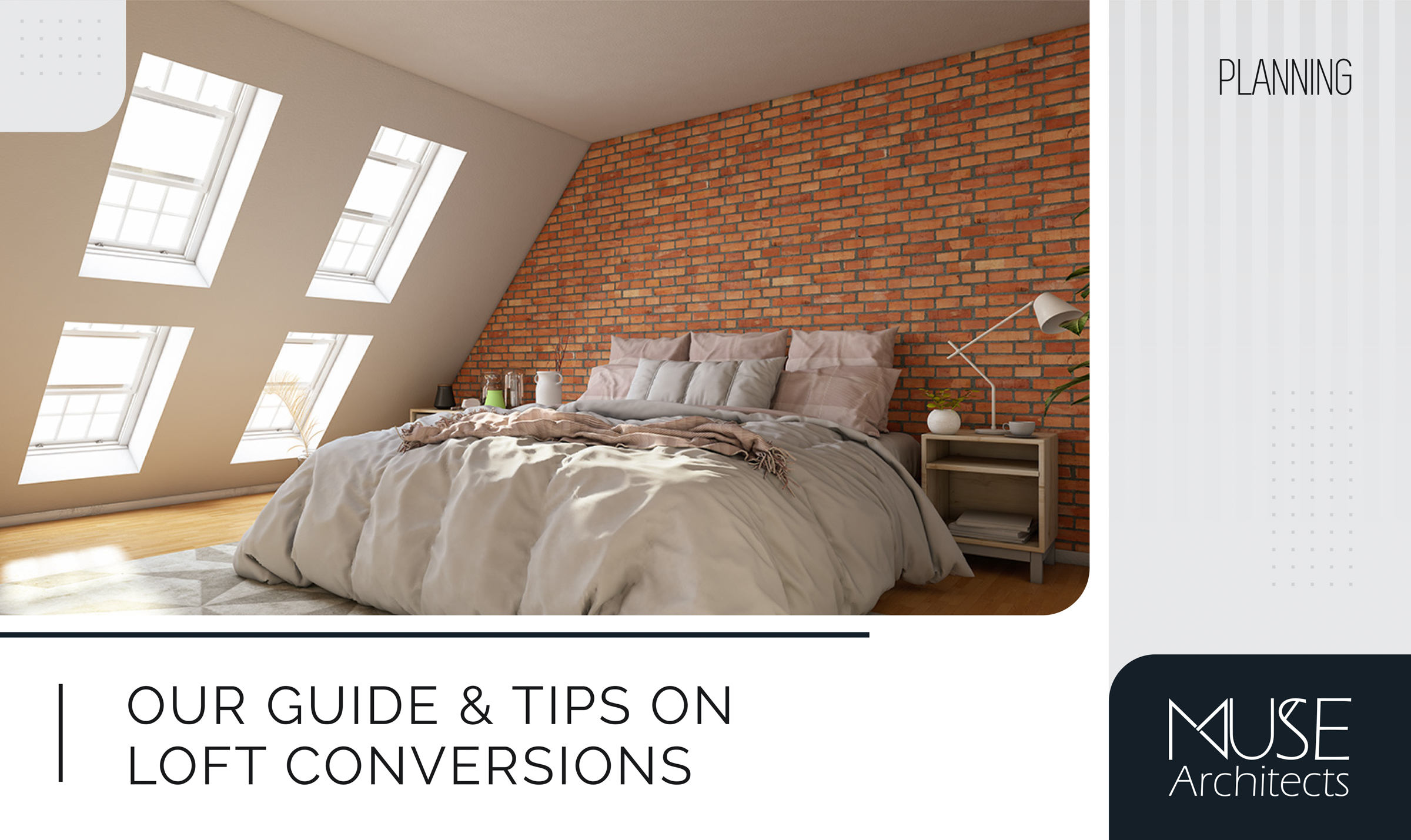

Loft Conversion UK Guide 2026: Costs, Planning Permission & Design Tips
Thinking About a Loft Conversion in the UK? Start Here
What This Loft Conversion UK Guide Covers
If you are considering a loft conversion in the UK, this guide will give you a clear understanding of everything involved — including costs, planning permission, design options, and whether your property is suitable.
Many homeowners reach a point where their current home no longer meets their needs. However, moving is not always the best solution due to high costs, uncertainty, and the disruption it brings.
As a result, more people are now choosing loft conversions as a practical way to create additional space within their existing home.
Why Loft Conversions Are a Smart Upgrade
A loft conversion in the UK allows you to unlock unused space and turn it into something valuable.
Instead of extending outward or sacrificing outdoor space, you can make use of the structure you already have. This makes loft conversions one of the most efficient ways to add a bedroom, workspace, or living area.
In addition, a well-designed loft conversion can improve how your home functions while also increasing its overall value.
Why Early Planning Matters
However, a loft conversion is not just about adding an extra room.
It involves structural design, planning considerations, and compliance with UK building regulations. Without proper planning, small decisions can lead to delays, additional costs, or design limitations.
Therefore, understanding the process early allows you to make better decisions and avoid common mistakes.
If you are new to this, you can also explore the home extension process guide in the UK
[Internal Link: /beginners-guide-to-home-extensions/]
What Is a Loft Conversion and Is It Right for You?
What a Loft Conversion Means in the UK
A loft conversion in the UK involves transforming unused attic space into a functional and liveable part of your home.
This space can be used in different ways depending on your needs. For example, many homeowners choose to create an additional bedroom, a home office, or a flexible multi-purpose room.
The key advantage is that you are not building new space — you are making better use of what already exists.
Is Your Loft Suitable for Conversion?
Not every loft is suitable for conversion, and this is something that needs to be assessed early.
Important factors include ceiling height, roof structure, available floor area, and how access will be created. If these elements are not suitable, the project may require additional structural work, which can increase cost and complexity.
Because of this, a feasibility assessment is often the first step in any loft conversion project.
Why Professional Assessment Is Important
Working with experienced professionals like Muse Architects helps you understand what is realistically achievable.
They can assess your property, identify potential challenges, and guide you towards the most suitable design approach. This ensures your loft conversion is both practical and compliant with UK regulations from the beginning.
Types of Loft Conversions in the UK
Overview of Loft Conversion Options
There are several types of loft conversions in the UK, and choosing the right one depends on your property layout, structure, and long-term goals.
Each type offers different advantages in terms of space, cost, and design flexibility.
Dormer Loft Conversions
Dormer loft conversions are one of the most common options.
They extend vertically from the existing roof, creating additional headroom and usable floor space. This makes them ideal for adding a bedroom or larger living area.
Hip-to-Gable Loft Conversions
Hip-to-gable conversions are typically used for semi-detached or detached homes.
They involve extending the sloping side of the roof to create a vertical wall, which increases internal space and improves layout possibilities.
Mansard Loft Conversions
Mansard conversions involve significant structural changes but offer maximum space.
They alter the roof structure to create a nearly vertical wall, allowing for a much larger and more flexible living area.
Rooflight (Velux) Loft Conversions
Rooflight conversions are simpler and more cost-effective.
They retain the existing roof structure and focus on improving natural light and usability through skylights. However, they provide less additional space compared to other types.
Loft Conversion Costs in the UK (2026 Guide)
Average Loft Conversion Cost in the UK
The cost of a loft conversion in the UK depends on the size, complexity, and type of conversion.
In general, a basic loft conversion may start from around £20,000 to £30,000. More complex projects, especially those involving structural changes, can exceed £60,000 or more.
What Affects Loft Conversion Costs
Several factors influence the final cost.
These include materials, labour, insulation requirements, structural modifications, and the complexity of the design. In addition, location can also impact pricing, particularly in areas with higher labour costs.
According to the BCIS, construction costs continue to vary based on market conditions and regional differences.
Where to Learn More About Costs

Do You Need Planning Permission for a Loft Conversion in the UK?
Understanding Planning Permission for Loft Conversions in the UK
If you are planning a loft conversion in the UK, one of the first things to understand is whether planning permission is required.
In many cases, loft conversions fall under permitted development rights. This means you may not need full planning permission, provided your design stays within specific limits and does not significantly alter the external appearance of your property.
However, permitted development is not automatic.
There are rules around volume limits, roof alterations, and materials. Therefore, it is important to check that your project meets these conditions before moving forward.
When Planning Permission Is Required for a Loft Conversion
Planning permission becomes necessary in certain situations.
For example, if your property is located in a conservation area, is a listed building, or your design exceeds permitted development limits, you will need formal approval.
In addition, some local authorities apply stricter controls, which means rules can vary depending on your location.
Because of this, confirming planning requirements early helps you avoid delays, redesigns, or rejected applications later in the process.
Where to Apply for Loft Conversion Planning Permission
This platform provides guidance, application requirements, and submission processes.
If your application is refused or requires appeal, it may be handled by the Planning Inspectorate.
To understand the full process step by step, you can also review the planning permission guide in the UK
For detailed guidance on use classes and change of use regulations, refer to the UK Government planning guidance
Building Regulations for Loft Conversions in the UK
Why Building Regulations Always Apply to Loft Conversions
Even if planning permission is not required, building regulations are always mandatory for a loft conversion in the UK.
These regulations ensure your space is structurally safe, energy-efficient, and suitable for long-term use.
Key Areas Covered by Loft Conversion Building Regulations
Building regulations for loft conversions focus on several important areas.
These include structural stability, fire safety, insulation, ventilation, and staircase design. Each element ensures that your new space is both safe and practical.
Guidance from organisations such as the HSE highlights the importance of maintaining safety standards throughout construction projects.
Why Compliance Should Never Be Ignored
Ignoring building regulations can create serious problems.
You may face safety risks, legal issues, or difficulties when selling your property in the future. In some cases, non-compliant work may need to be corrected or removed entirely.
Therefore, compliance should always be considered a key part of your loft conversion project, not an optional step.
Design Tips for a Successful Loft Conversion in the UK
How to Maximise Space and Natural Light in a Loft Conversion
A successful loft conversion in the UK is not just about adding space — it is about making that space feel comfortable and usable.
Natural light plays a major role. Skylights, dormer windows, and carefully positioned openings can transform a dark attic into a bright and inviting area.
At the same time, using built-in storage and making use of angled roof spaces helps maximise functionality without overcrowding the room.
How to Plan a Practical Loft Conversion Layout
Before finalising your design, it is important to think about how the space will be used.
Whether it is a bedroom, a home office, or a flexible living area, the layout should support your daily routine. Poor planning can result in awkward layouts and underused space.
Working with professionals like Muse Architects ensures that your loft conversion is both practical and visually balanced.
How Long Does a Loft Conversion Take in the UK?
Typical Loft Conversion Timeline Explained
A loft conversion in the UK usually takes between 6 to 12 weeks for construction.
However, when you include design, planning permission (if required), and approvals, the full process can take several months depending on the complexity of the project.
What Affects Loft Conversion Timelines
Several factors can influence how long your project takes.
These include planning approval, design complexity, contractor availability, and site conditions. Delays often occur when planning or design is not properly prepared in advance.
How to Keep Your Loft Conversion Project on Track
Planning ahead is the most effective way to reduce delays.
Having a clear design, understanding planning requirements, and working with experienced professionals can make the process smoother and more predictable.

Common Mistakes to Avoid in Loft Conversions UK
Why Most Loft Conversion Problems Start Early
Many issues in a loft conversion in the UK do not occur during construction — they begin much earlier in the planning stage.
One of the most common mistakes is starting without a clear plan. A loft conversion is often underestimated, but in reality, it is a structured project involving design, planning, and compliance with UK regulations.
Without proper preparation, small decisions can quickly lead to delays, design limitations, or additional costs.
Mistakes That Increase Cost and Risk
Another common issue is focusing only on cost.
Choosing the cheapest option without understanding the full scope can result in poor design, construction delays, and higher long-term expenses. In addition, ignoring planning permission requirements or building regulations can create serious problems later.
Even if your loft conversion falls under permitted development, compliance is still essential.
Why Professional Guidance Matters
A lack of professional input can lead to inefficient layouts, wasted space, or designs that do not fully utilise the potential of your loft.
Working with experts like Muse Architects helps ensure your project is properly planned from the beginning, reducing risk and improving overall results.
Architect planning loft conversion UK with technical drawings and design consultation
Is a Loft Conversion Worth It in the UK in 2026?
Understanding the Long-Term Value of Loft Conversions
For many homeowners, a loft conversion in the UK is one of the most valuable upgrades you can make.
It allows you to create additional living space without moving, which can significantly improve how your home functions. Whether you need an extra bedroom, a home office, or a flexible space, a loft conversion provides a practical solution.
How Loft Conversions Add Property Value
In addition to improving usability, a well-designed loft conversion can increase property value.
According to the RICS, improvements that enhance layout and functionality can have a strong impact on property value.
However, the key is ensuring that the space is well-designed, functional, and compliant with UK standards.
Loft Conversion vs Moving House in the UK
Which Option Makes More Sense?
Many homeowners consider moving when they need more space.
However, moving involves more than just buying another property. Costs such as stamp duty, legal fees, and estate agent commissions can add up quickly.
Why Loft Conversions Offer More Control
A loft conversion in the UK provides a more controlled and cost-effective alternative.
Instead of leaving your current home, you can adapt it to your needs. This allows you to design a space that fits your lifestyle while avoiding unnecessary relocation costs.
For detailed guidance on use classes and change of use regulations, refer to the UK Government planning guidance
Industry guidance from the RICS highlights how early design decisions significantly impact overall project costs
How Muse Architects Supports Your Loft Conversion Project
From Idea to Design and Delivery
A successful loft conversion is not just about construction — it requires planning, design, and coordination.
At Muse Architects, the process begins with understanding your goals and assessing your property. This ensures your project is both feasible and aligned with your needs.
From there, design concepts are developed, planning permission is managed where required, and detailed technical drawings are prepared for construction.
Ensuring Compliance and Quality at Every Stage
Compliance is a critical part of any loft conversion in the UK.
Guidance from organisations such as the HSE highlights the importance of safety, structural integrity, and proper construction standards.
With the right support, you can ensure your project meets all requirements, reducing risks and avoiding delays.
Final Thoughts on Loft Conversions UK
Why Planning and Design Make the Difference
A loft conversion in the UK is one of the most effective ways to add space, improve functionality, and increase property value.
However, success depends on how well the project is planned.
A well-designed loft conversion can transform your home, making it more practical and comfortable. On the other hand, poor planning can lead to delays, extra costs, and disappointing results.
Frequently Asked Questions About Loft Conversions UK
Do all loft conversions need planning permission in the UK?
Not always. Many loft conversions fall under permitted development, but it depends on the size, design, and location of your property.
How much does a loft conversion cost in the UK?
Costs typically range from £20,000 to £60,000+, depending on complexity and design.
How long does a loft conversion take?
Construction usually takes between 6 to 12 weeks, although the full process may take several months including planning and design.
Will a loft conversion add value to my property?
Yes. A well-designed loft conversion can increase property value, especially if it creates usable space such as a bedroom or office.